
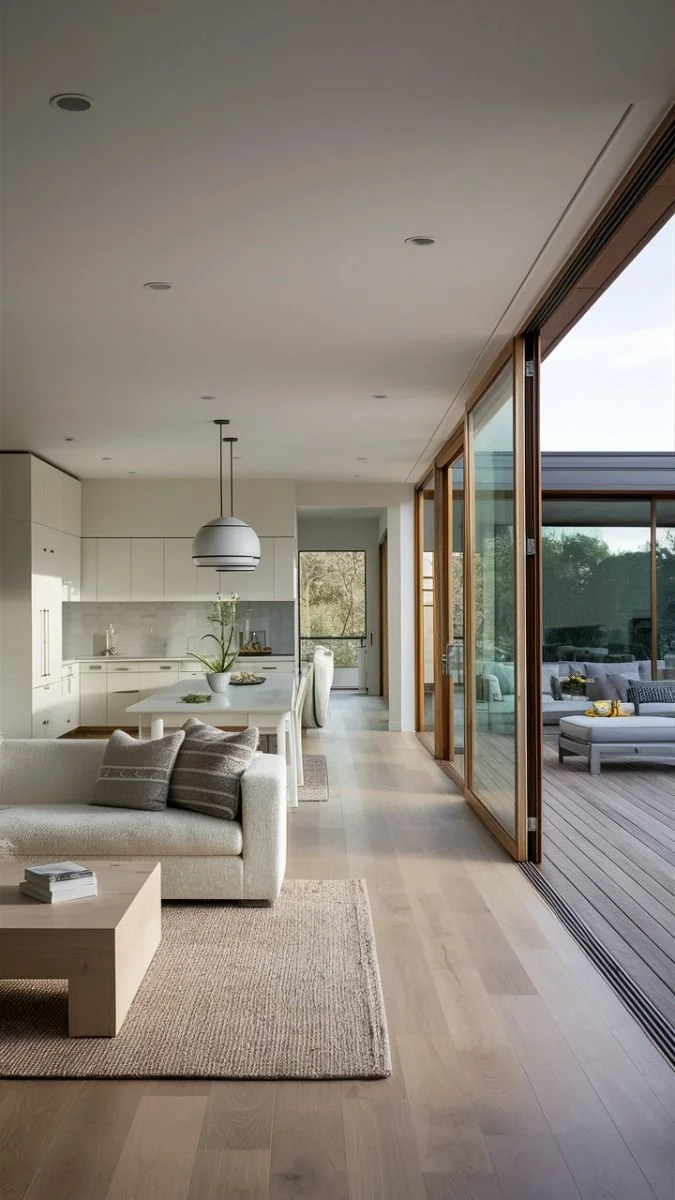
Why Does Your New Construction in LA Need an Interior Designer?
Many homeowners plan to bring in a designer near the end of construction. By that point, the layout is fixed, electrical plans are already installed, and materials have been ordered. The designer can still choose furniture and finishes, but they cannot correct decisions that are already built into the structure.
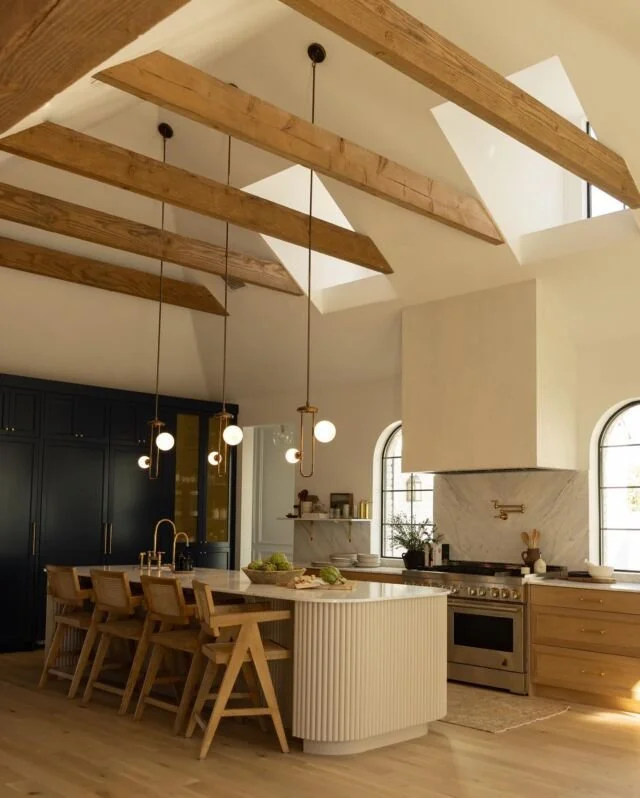
What’s the Difference Between an Interior Designer and an Interior Decorator?
Many homeowners assume a designer and a decorator do the same job. They do not. The difference shows up in what they are allowed to change, when they need to be hired, and how much influence they have over the outcome of your home.
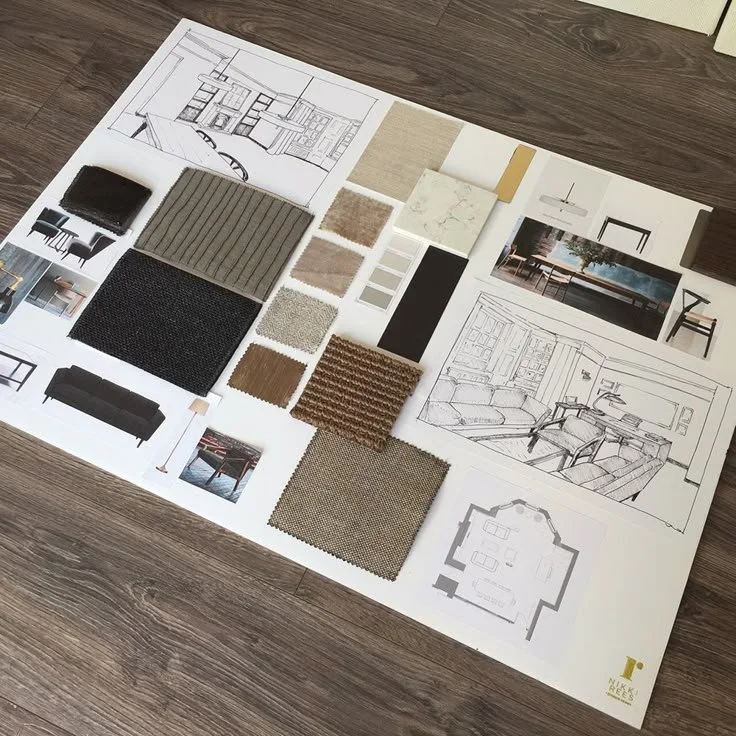
What to Expect When Hiring a Luxury Interior Designer in Los Angeles
Most people know they want a better outcome, but not what the process involves. A luxury interior designer is not just selecting finishes. They are structuring decisions, coordinating details, and preventing problems before they are built.
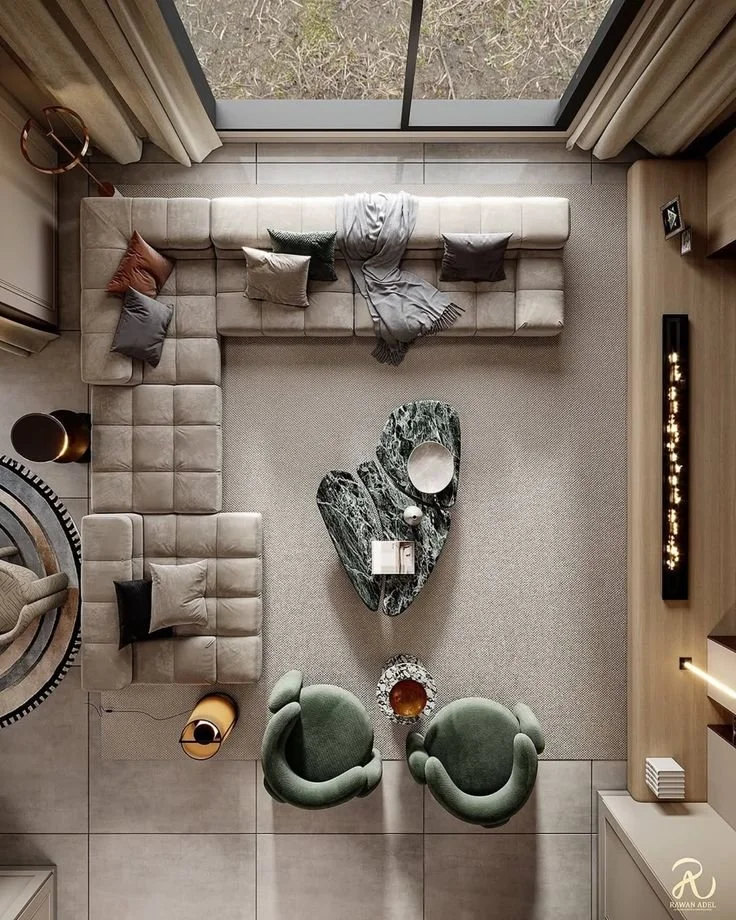
What Does an Interior Designer Do?
Most people think an interior designer chooses furniture and colors. That is the visible part of the job, but it is not where most of the value sits. A designer helps shape the layout, selects materials that will hold up over time, and keeps decisions coordinated so the project does not unravel during construction.
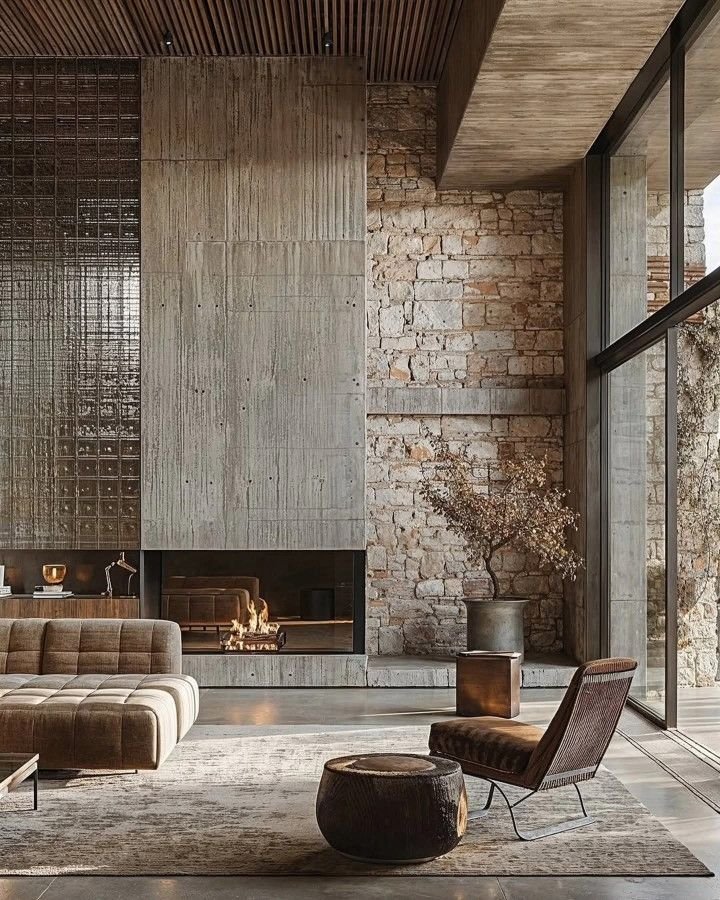
The Value of Full-Service Interior Design for Custom Homes
Custom homes involve hundreds of decisions. Many of them are made before construction is complete, including layout, materials, lighting, storage, and detailing. Without a clear system, those decisions get made at different times by different people, which creates conflicts, delays, and rework.
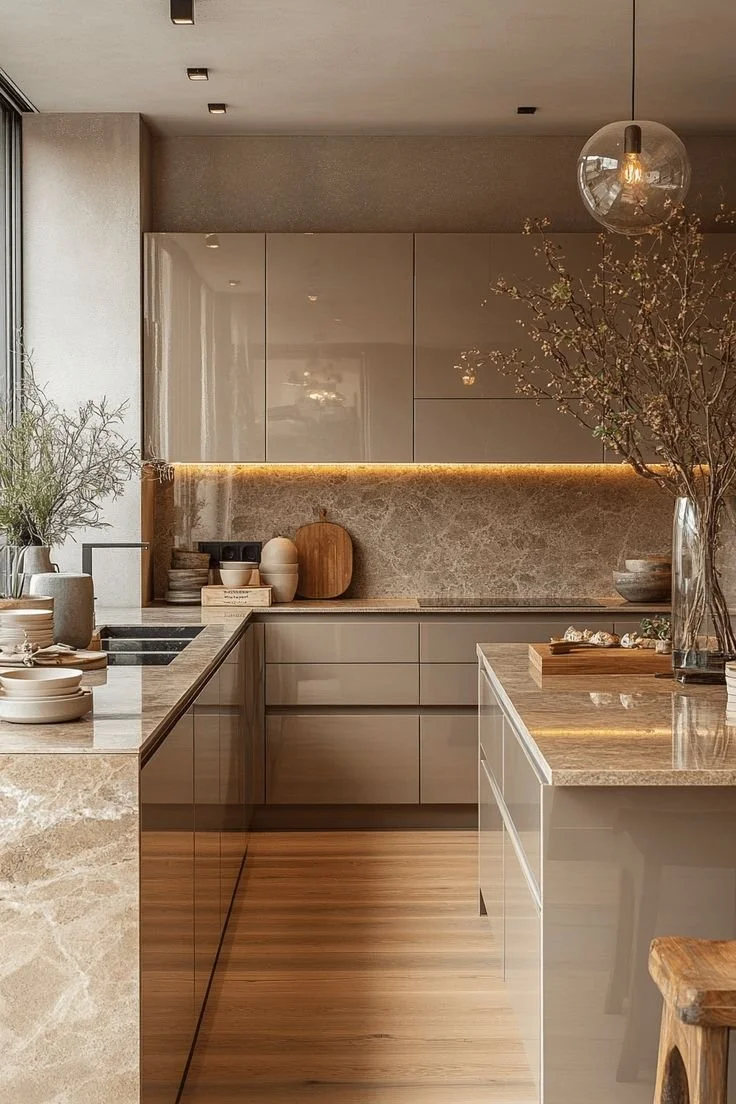
Pros and Cons of Wood Materials: Solid Wood, MDF, and Particle Board
Most people assume all wood materials perform the same. That is where expensive mistakes happen. Solid wood, MDF, and particle board behave very differently, especially in kitchens, bathrooms, and built-ins. The right choice depends less on preference and more on how each material handles stress, moisture, and daily use.
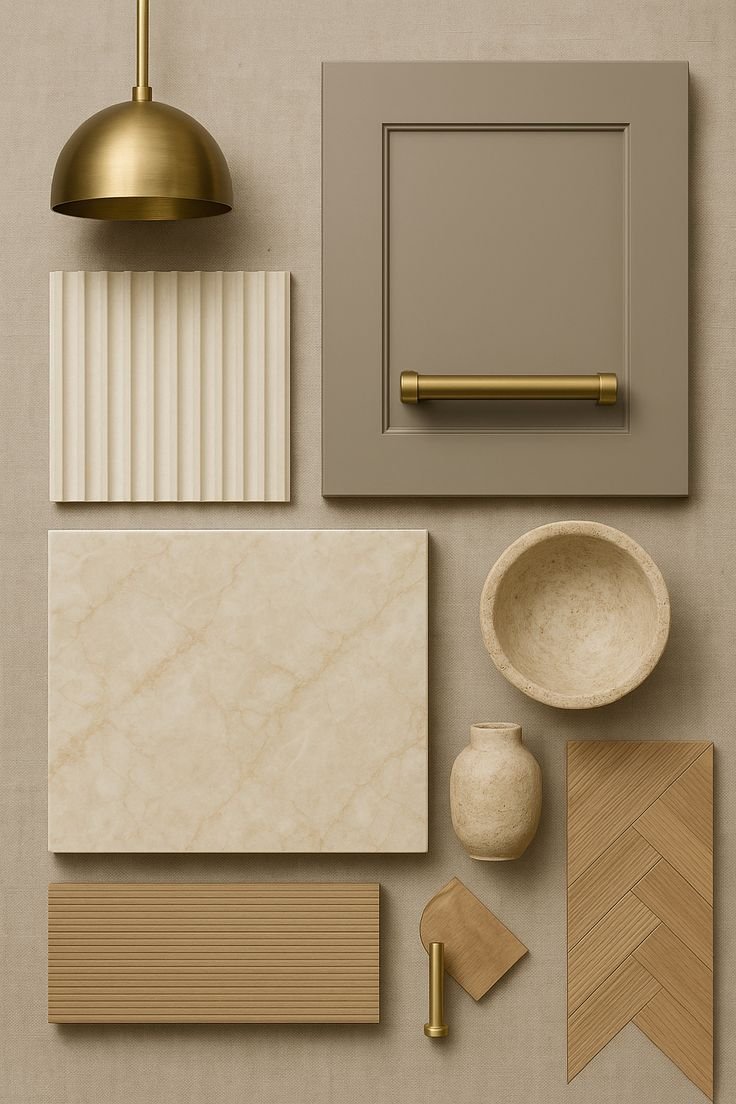
How to Achieve a Cohesive Whole-Home Design
A cohesive home comes from making a few decisions early and sticking to them. Most homes feel disconnected because selections are made room by room, with different flooring, metals, and tones chosen without a shared reference point.
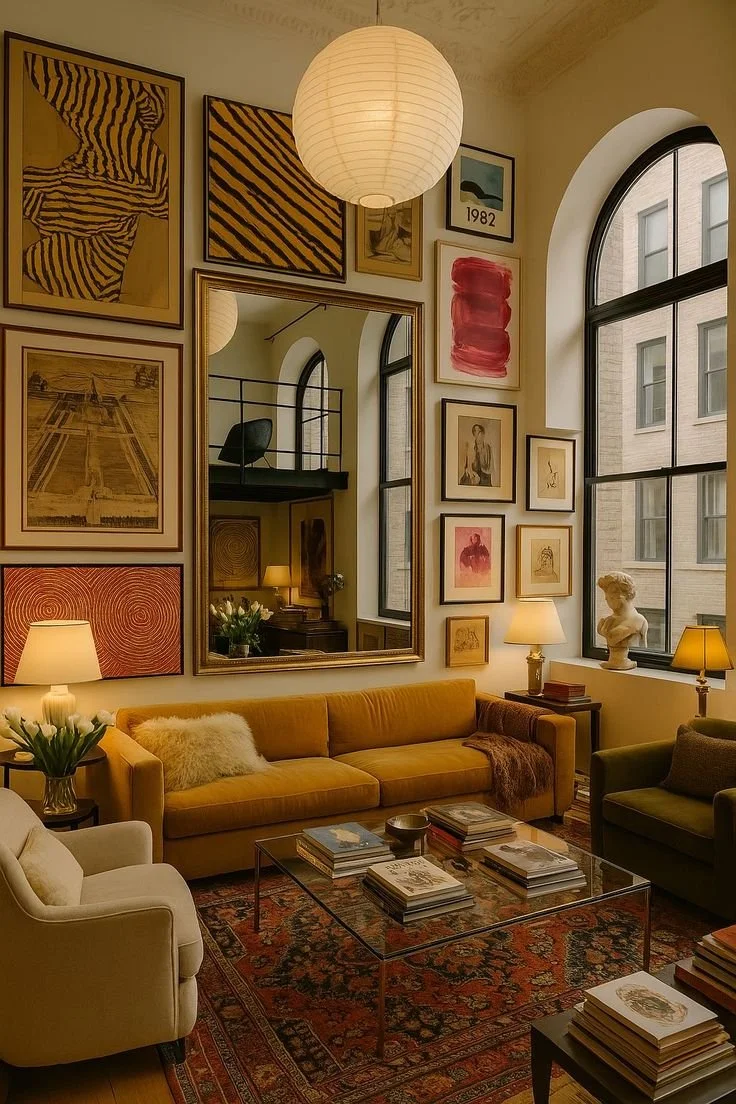
Designing Homes for Art Collectors in Los Angeles
Collecting art changes how a home should be planned. If you wait until the house is complete, you’re left trying to fit artwork into walls that may be too small, too broken up, or poorly lit. At that point, your options are limited.
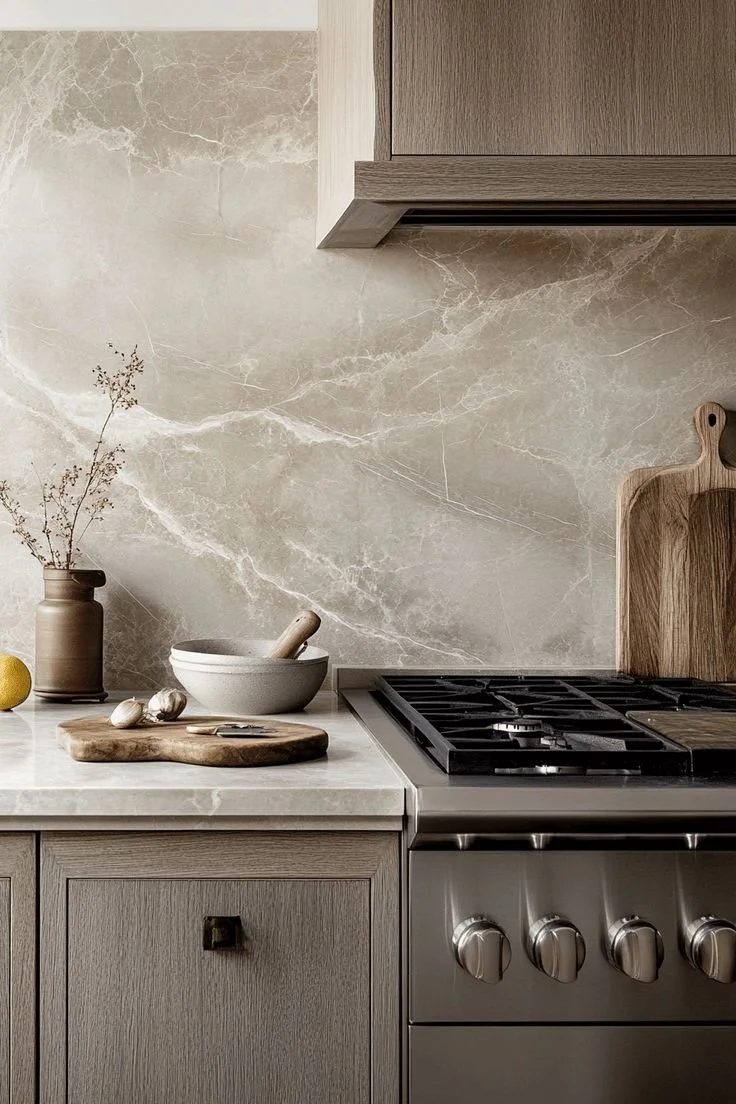
Best Faux Interiors for a Sustainable Rustic Look
Faux materials are often dismissed for looking artificial. That only applies to low-quality versions. The right faux materials solve problems that natural materials create: movement, staining, and maintenance, while still delivering texture and variation.
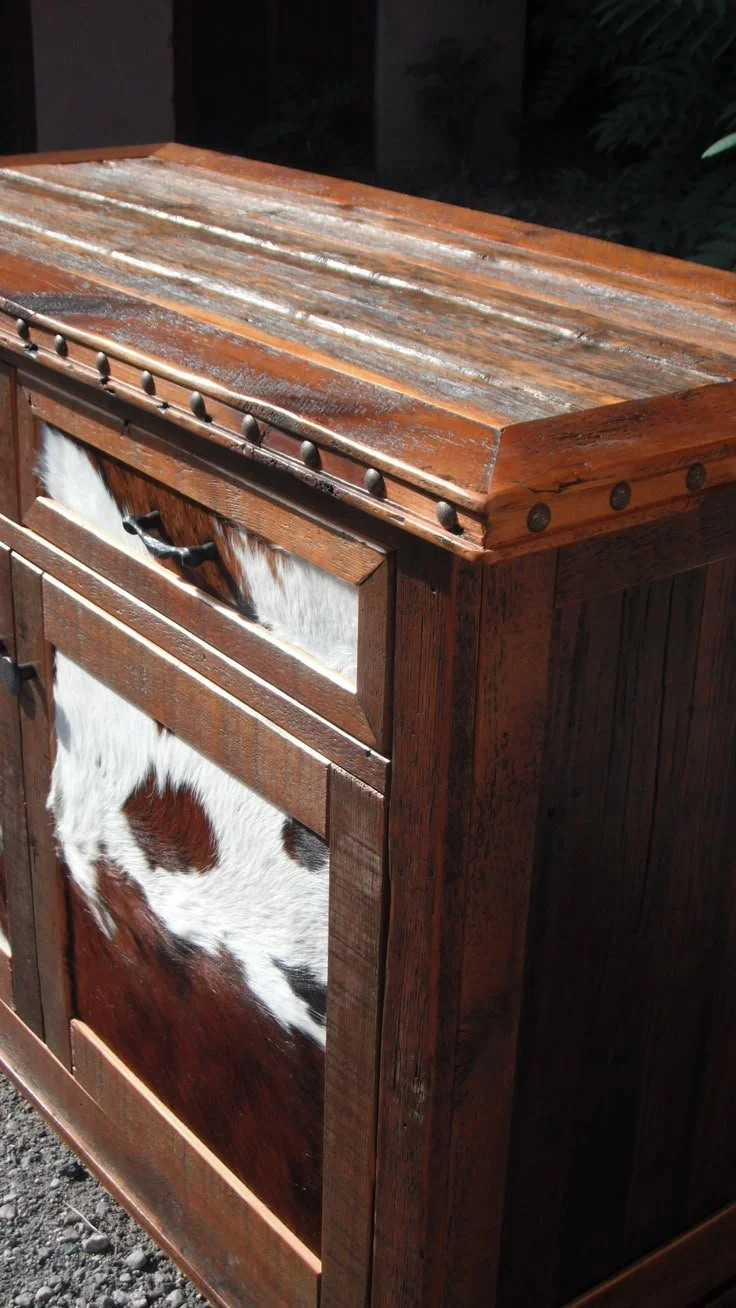
All the Things You Can Do With Cowhide
Cowhide gets dismissed too quickly. The assumption is that it belongs in rustic or western interiors. The issue isn’t the material, but how it’s used. When applied in small, deliberate ways, cowhide adds variation that flat materials like wood, stone, and paint can’t provide on their own.
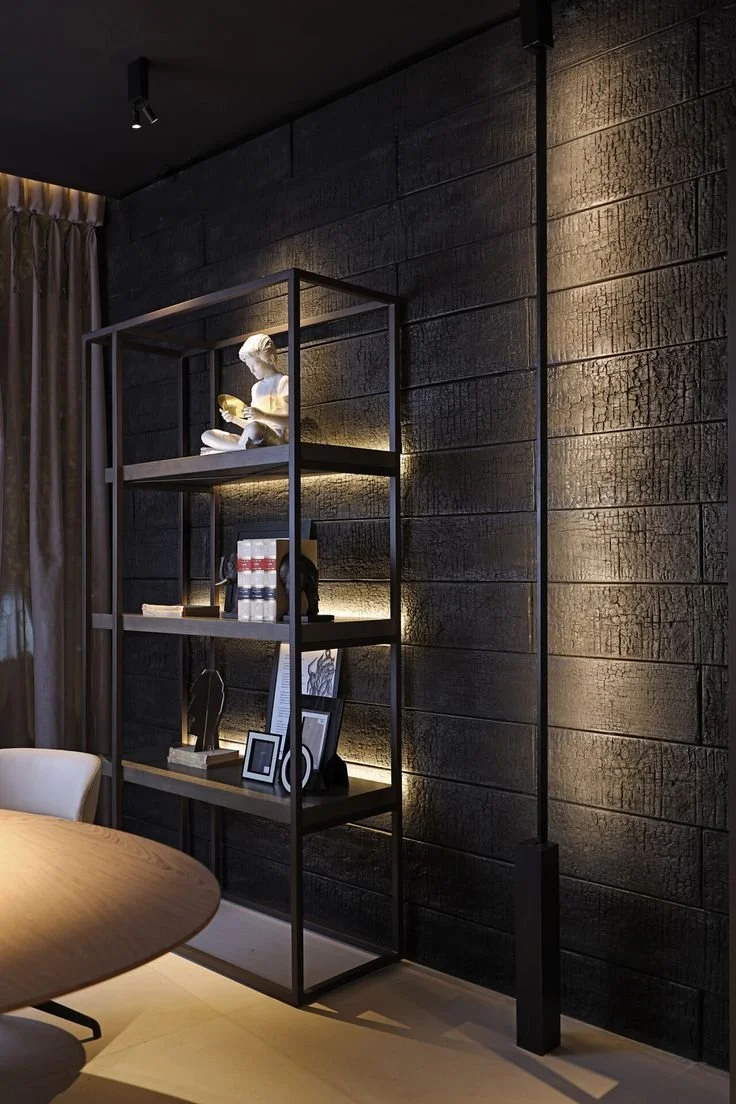
What Is Shou Sugi Ban and How to Use It In Your Home
Shou Sugi Ban stands out because it adds texture and contrast in a way paint or stain cannot. It’s often used in modern homes to define key surfaces (like walls, fireplaces, or exteriors) without relying on bold color. When used correctly, it adds depth without making the space feel heavy.
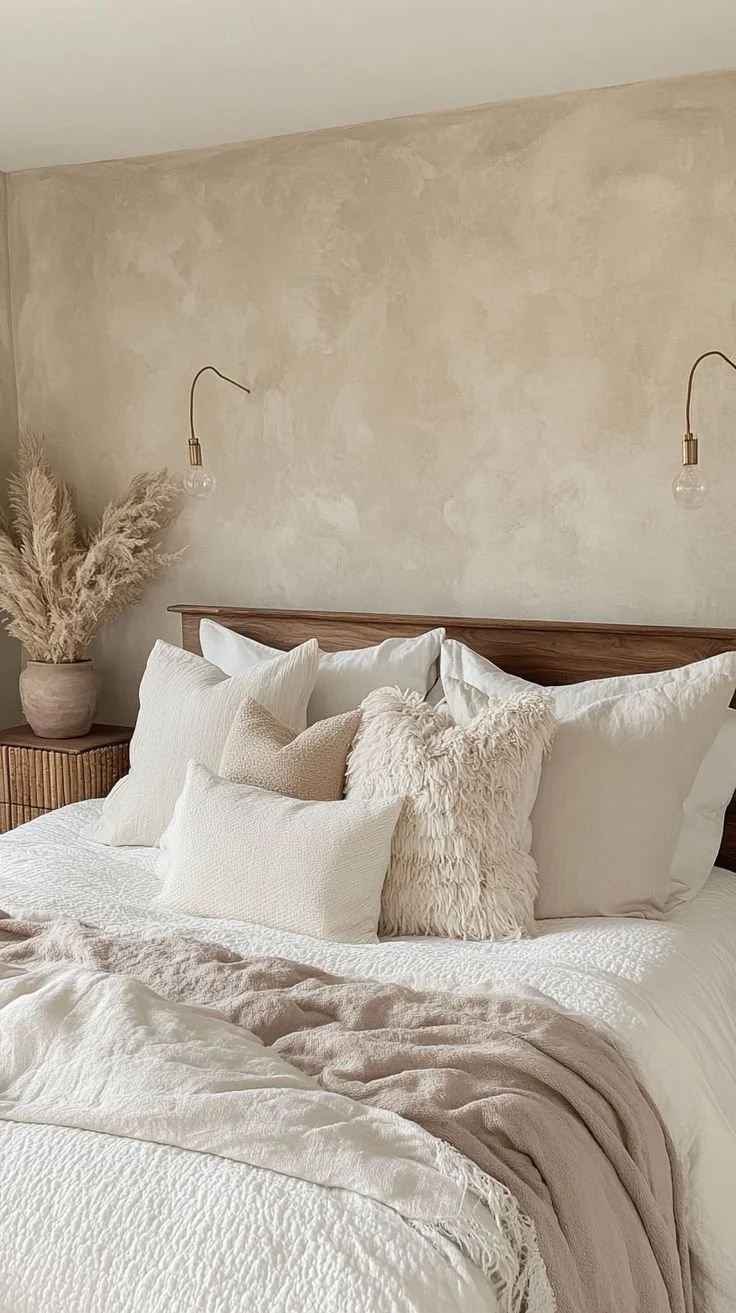
What is Limewashing and How to Use It
Limewash is not standard paint. It soaks into the surface and creates a soft, chalky texture with visible brush movement. The result is uneven by design. If you expect a smooth, consistent wall, this is the wrong finish.
What Is Feng Shui?
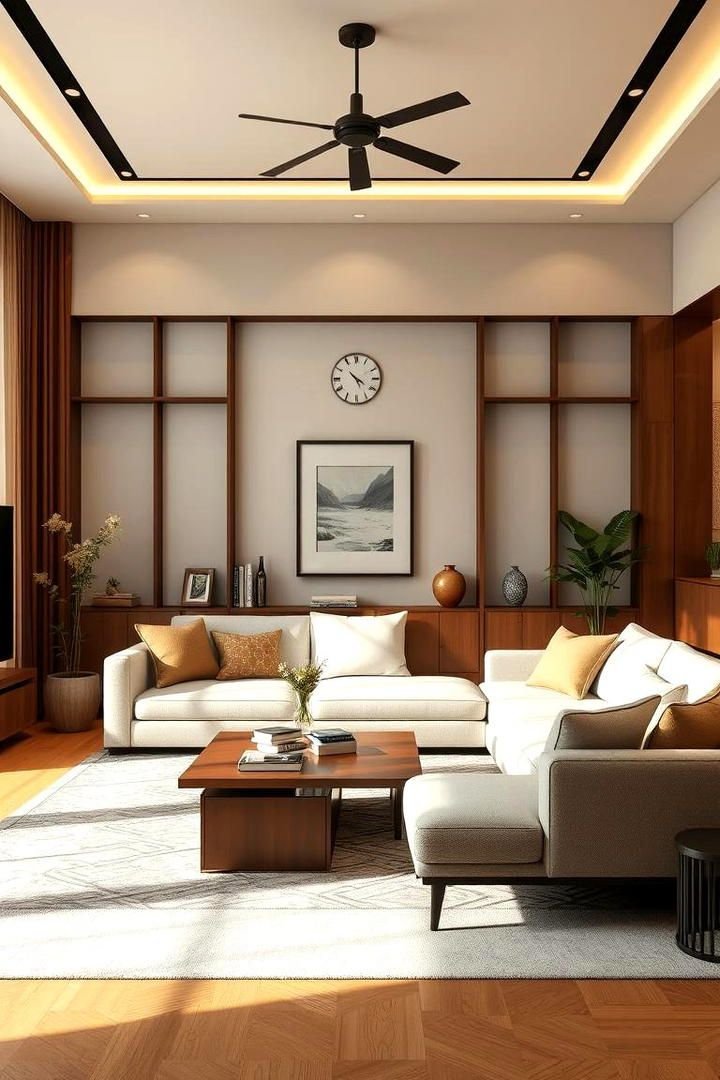
Feng Shui comes up often in interior design because it addresses a common problem: a home can look good but still feel difficult to use. Poor furniture placement, blocked walkways, and awkward layouts affect how a space works day to day. Feng Shui focuses on fixing those issues through better planning.
What Is Color Washing and How to Do It
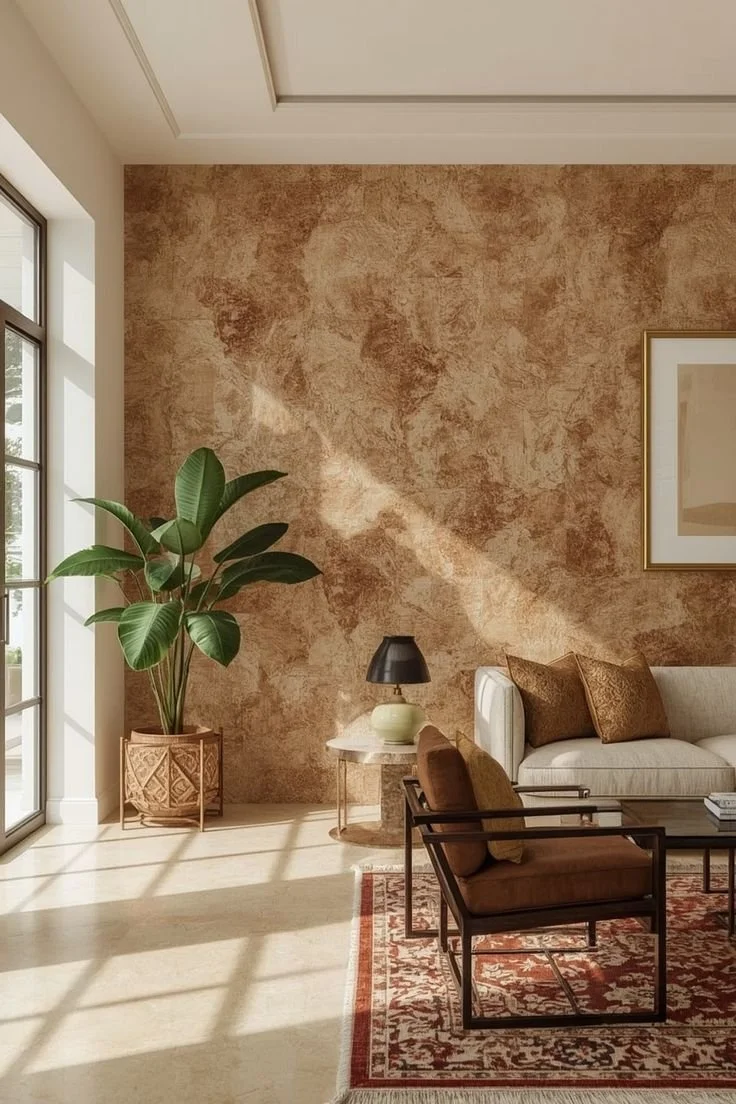
Color washing is a painting technique that creates variation on a wall by layering a thin, semi-transparent glaze over a solid base coat. Instead of one flat color, you get slight shifts in tone that make the surface look more dimensional.
The Most Off-The-Wall But Functional Pantry Designs
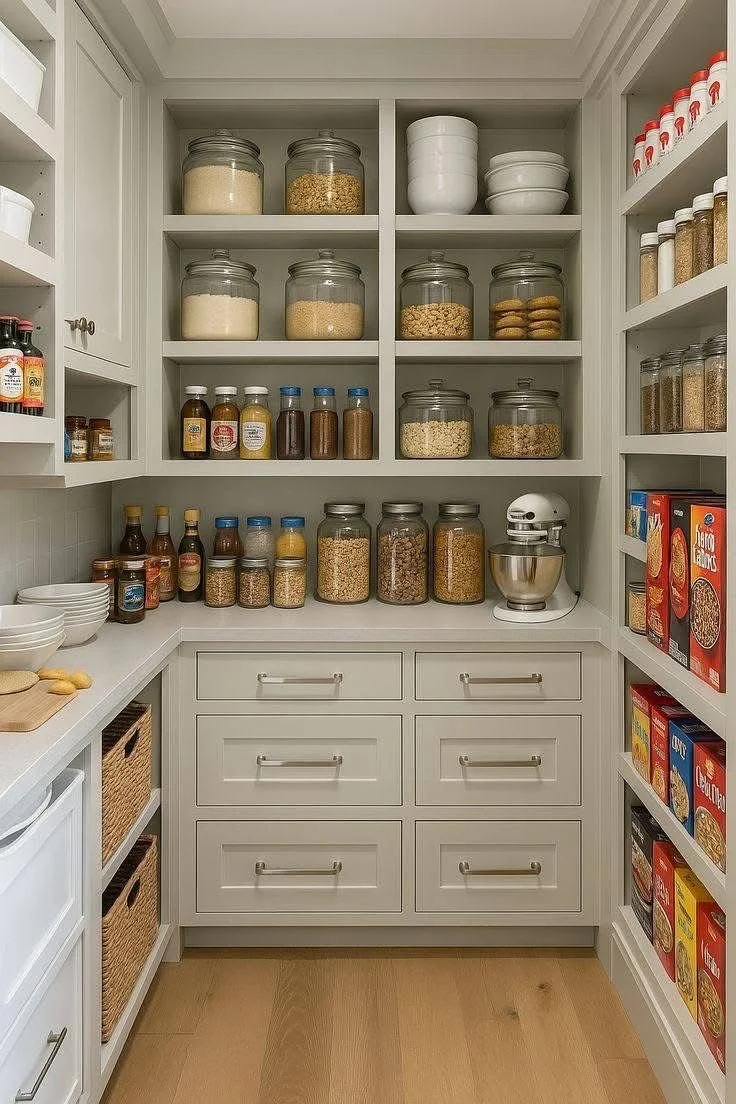
Most pantries fail for one reason: they’re treated as storage boxes instead of part of the kitchen layout. In high-end homes, that approach doesn’t work. The pantry needs to improve how the kitchen functions, not just store items out of sight.
Reclaimed Wood: Where to Use It
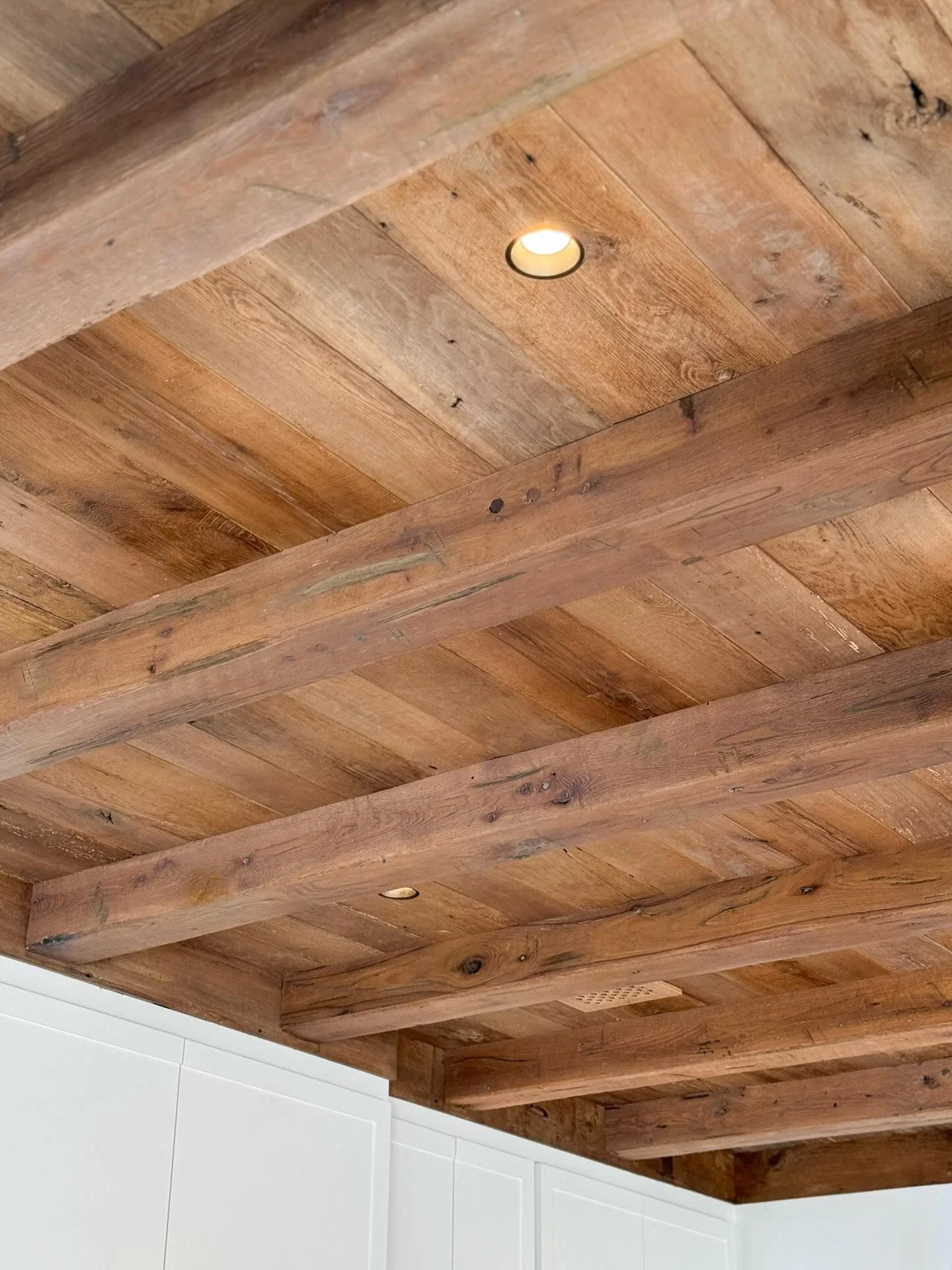
Reclaimed wood works best when it’s limited to a few key surfaces. When it shows up on too many planes, like in the floors, walls, and cabinetry, it may start to compete with itself. The goal is contrast: place it where its texture stands out against smoother materials.
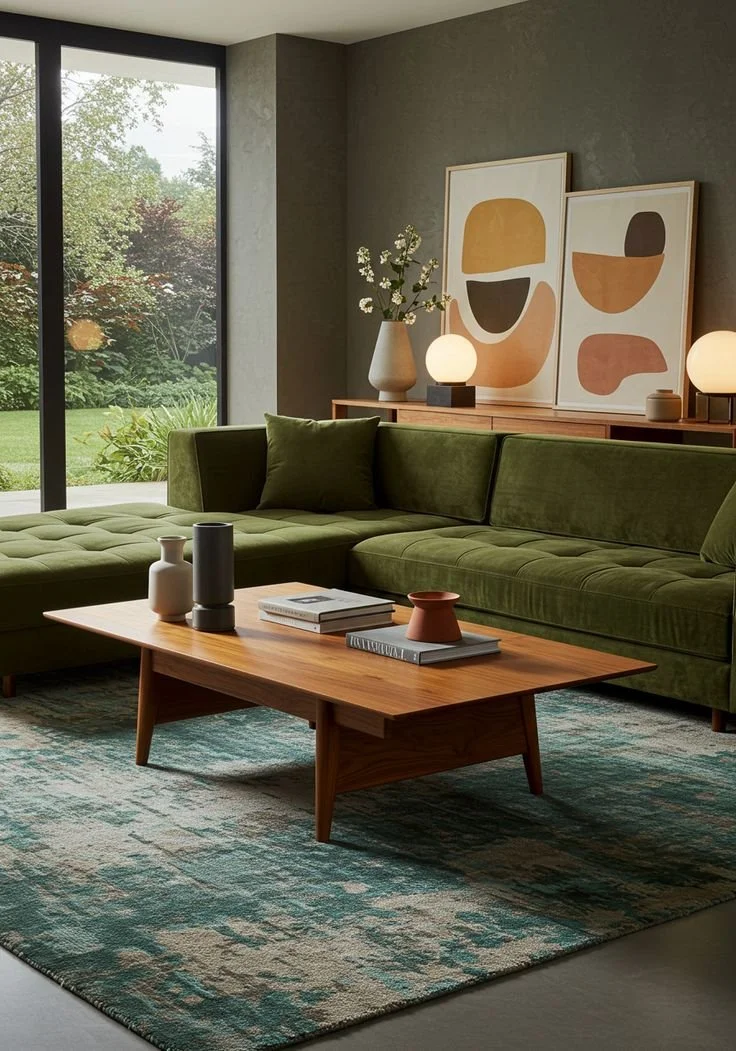
Midcentury Modern Living Room Ideas
Midcentury modern living rooms work because they focus on proportion and usability. The best versions don’t copy a catalog of vintage pieces. Rather, they use a few key elements and place them well. That’s why the style continues to appear in strong luxury living room design ideas.
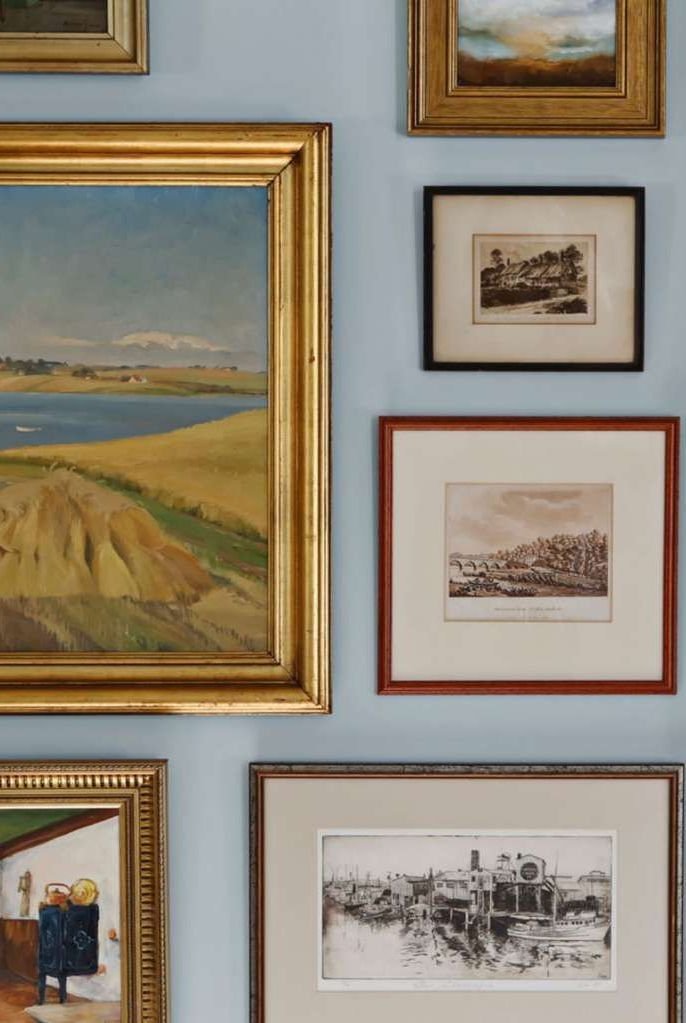
How to Frame Your Art Right
Most framing mistakes come down to proportion and placement. Frames that are too thick, mats that are too narrow, or artwork hung too high will make even strong pieces look off.
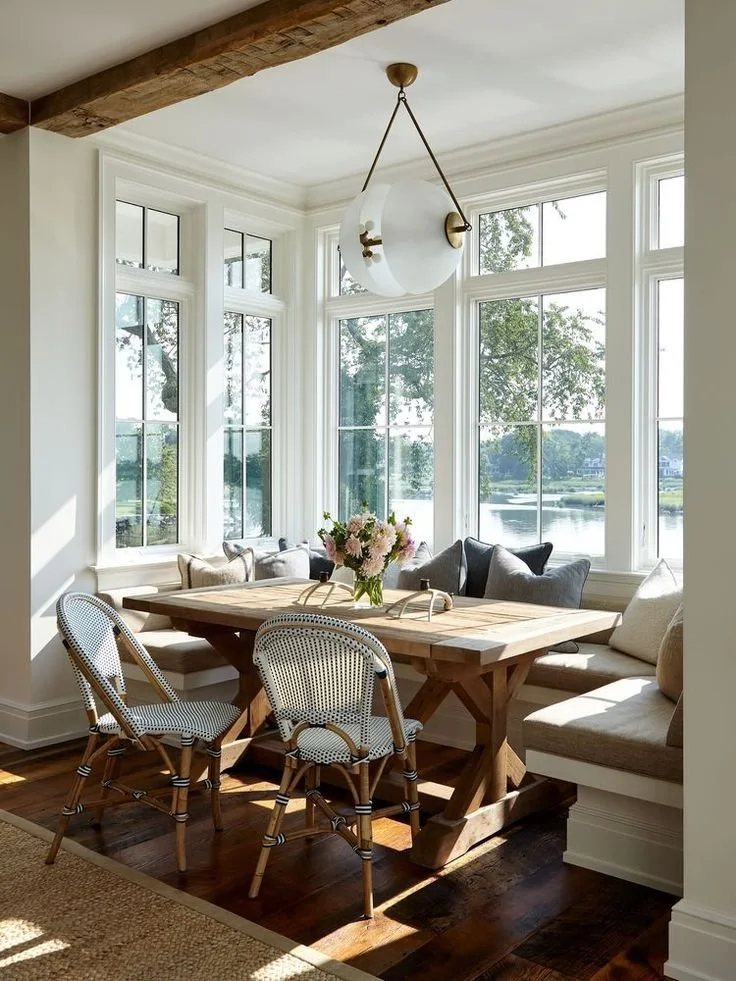
How to Create a Cozy Kitchen Nook
Most kitchen nooks fail for predictable reasons: the bench is too shallow, the table is oversized, or the seating sits directly in a traffic path. A good nook is defined by fit: correct dimensions, clear placement, and materials that match the kitchen.
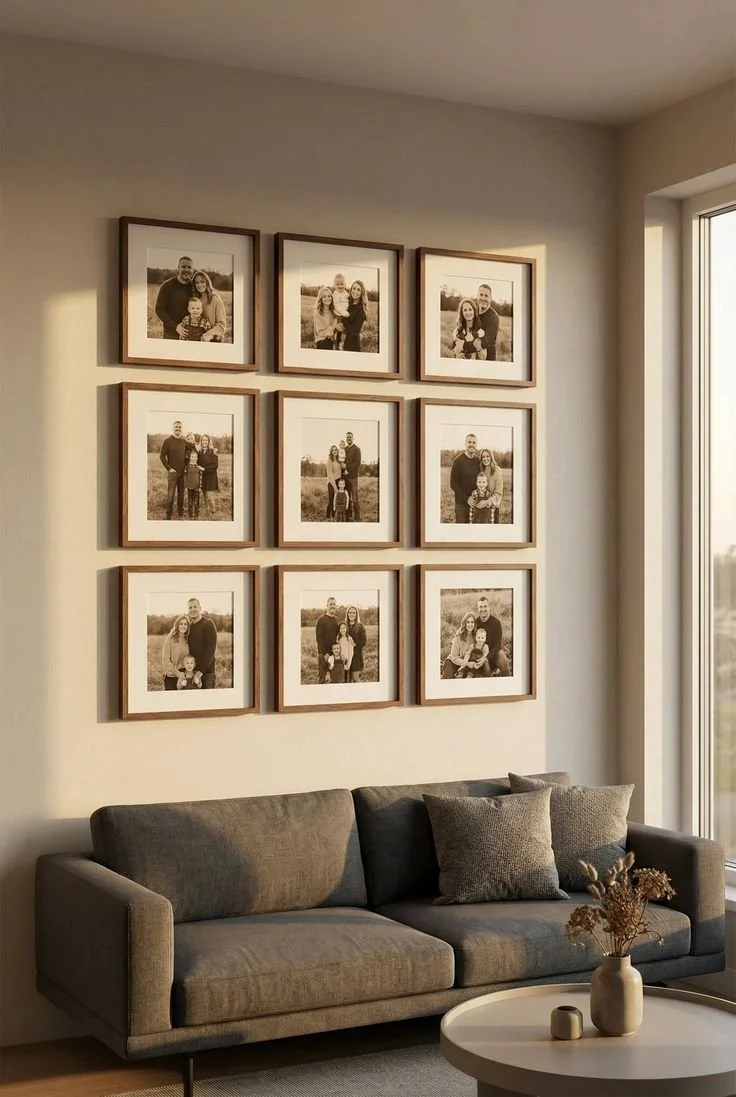
How to Decorate a Blank Wall
Most blank walls go wrong in two ways: the artwork is too small, or there’s no structure behind what’s added. A good wall starts with scale, then placement, then material. In custom home interiors Los Angeles, these decisions are made early so the wall relates to the room instead of feeling separate.