
Pros and Cons of Wood Materials: Solid Wood, MDF, and Particle Board
Most people assume all wood materials perform the same. That is where expensive mistakes happen. Solid wood, MDF, and particle board behave very differently, especially in kitchens, bathrooms, and built-ins. The right choice depends less on preference and more on how each material handles stress, moisture, and daily use.
Solid wood: where it is worth the cost
Use solid wood where strength and longevity matter, such as cabinet doors, drawer fronts, and furniture that gets daily wear. It can be sanded, repaired, and refinished over time, which makes it a strong long-term option.
A common mistake is using it for wide panels or full cabinet boxes. Solid wood moves with humidity. In dry heat or coastal moisture, both of which affect the best materials for luxury homes in California climate, that movement can lead to warping or small cracks at joints.
A practical approach in custom home interiors Los Angeles is to use solid wood for visible, high-touch elements rather than entire cabinet systems.
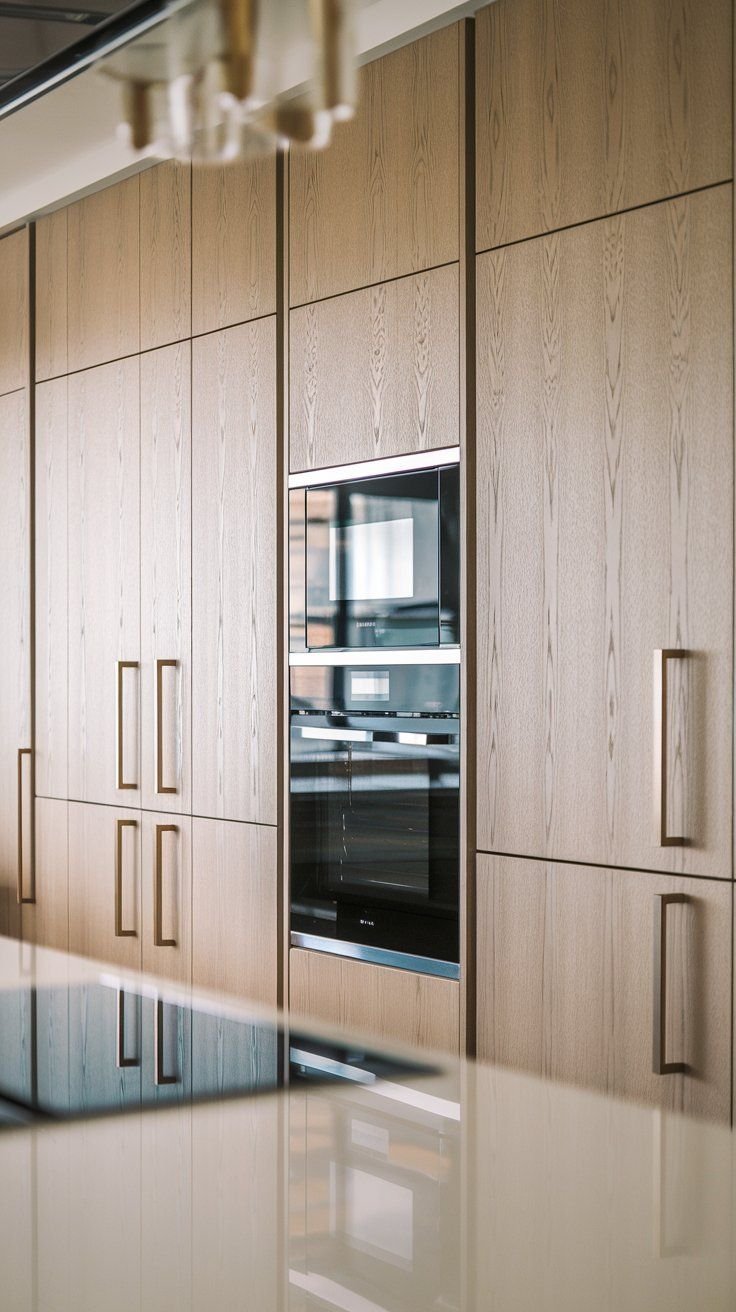
Photo Via: Kitchen Genius
MDF: best for painted, stable surfaces
If you want a smooth painted finish, use MDF. It has no grain, so paint stays more even and you do not get the lines or texture that can show through on solid wood. That is why many high-end painted cabinets use MDF for doors and panels.
It is also more stable than solid wood and less likely to shift with humidity. That makes it a strong option for large, flat surfaces such as slab cabinet doors or built-ins.
Its weakness is moisture. MDF absorbs water quickly and swells, especially at the edges. Around sinks, dishwashers, or bathroom vanities, it needs proper sealing and careful detailing. In finish selections for custom homes LA, MDF works best when it is installed well and kept out of exposed wet areas.
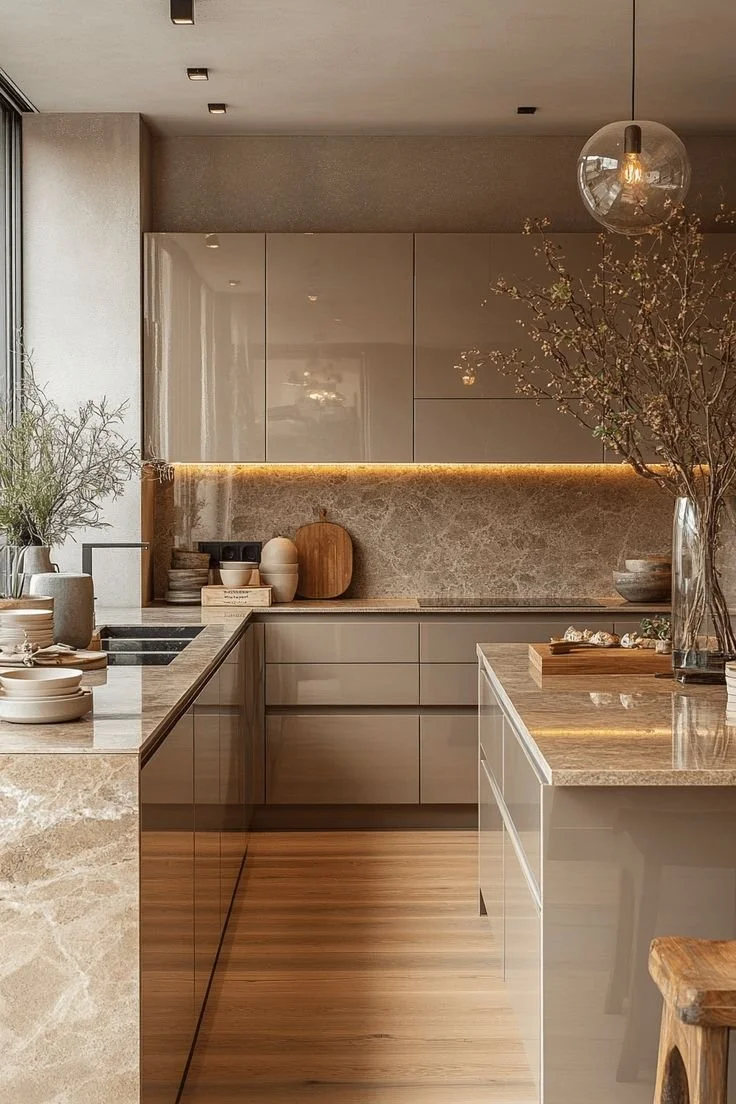
Photo Via: Courtney’s World
Particle board: where it works and where it does not
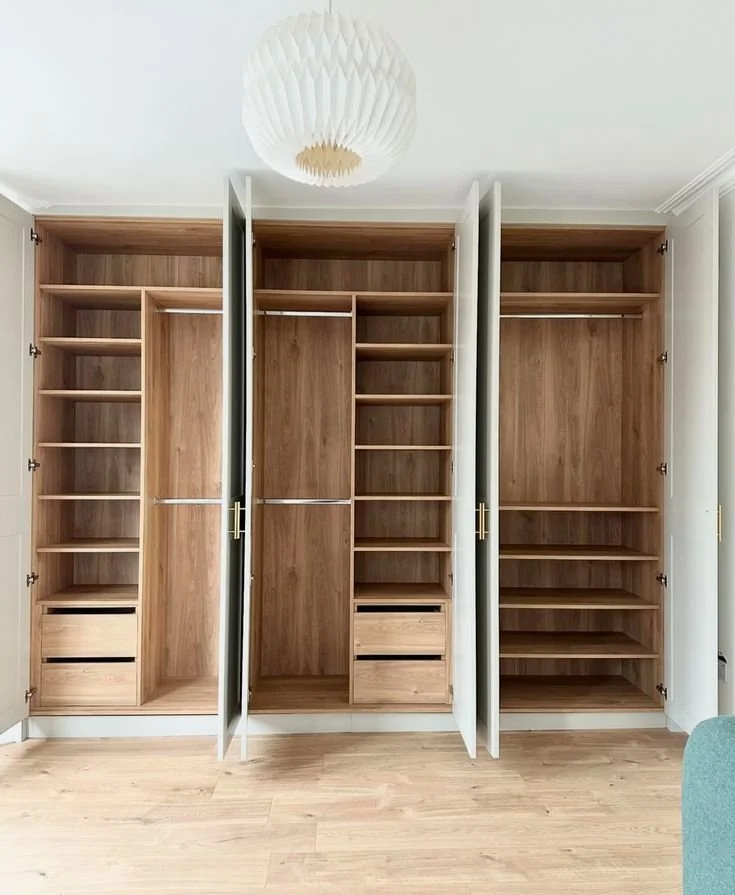
Particle board works best in places that stay dry and do not take much abuse, such as interior cabinet boxes or closet shelving. It can reduce cost without changing the visible finish.
It should not be used for doors, drawer fronts, or anything that carries weight or gets repeated handling. It chips easily, loses screw strength over time, and breaks down quickly when exposed to moisture.
In custom millwork design ideas LA, particle board is usually limited to concealed structural parts, often with a veneer or laminate over it. Used in the right place, it is serviceable. Used in visible or high-wear areas, it lowers the quality fast.
How to choose for cabinets, built-ins, and furniture
Use each material where it performs best:
Solid wood: doors, drawer fronts, furniture, trim
MDF: painted cabinet doors, large panels, built-ins
Particle board: interior cabinet boxes in dry areas only
This mix is standard practice for an interior designer for luxury spec homes Los Angeles because it balances durability, appearance, and cost without using higher-end materials where they are not needed.
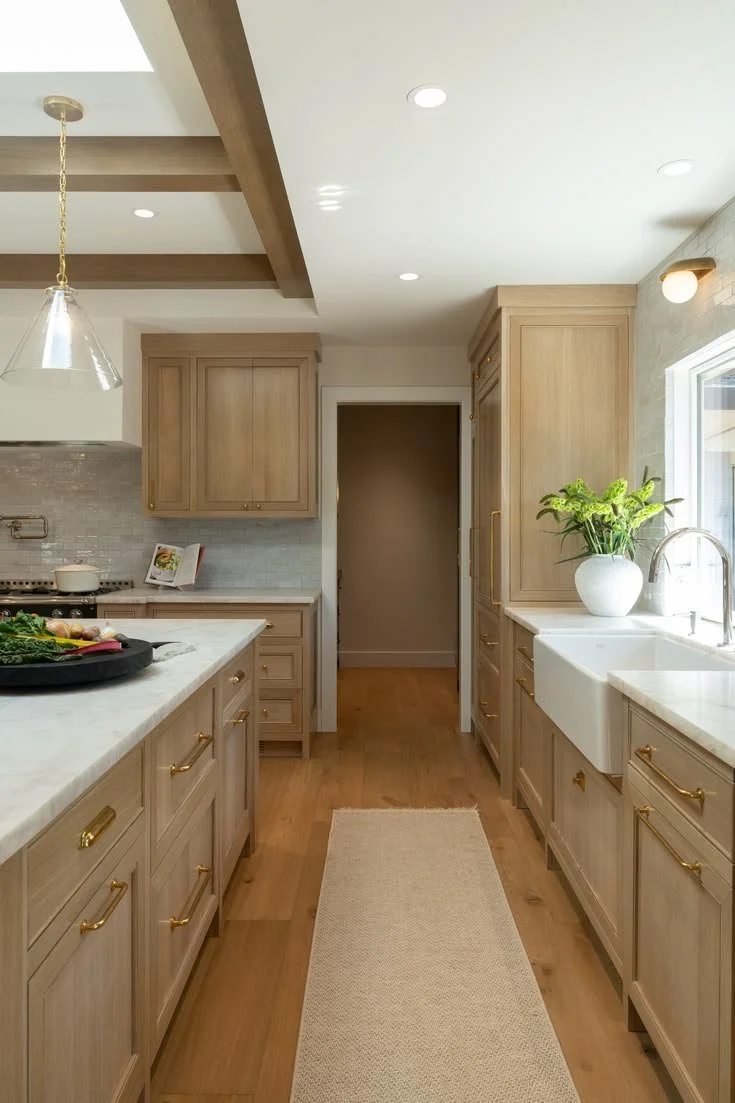
If you are investing in cabinetry, spend more on the parts you touch and see every day. Save on the parts that stay hidden. That is how you get durability and value without hurting the final result.