
How to Achieve a Cohesive Whole-Home Design
A cohesive home comes from making a few decisions early and sticking to them. Most homes feel disconnected because selections are made room by room, with different flooring, metals, and tones chosen without a shared reference point.
The goal is not to make every room match. It is to make every choice connect back to the same set of decisions.
Set a fixed palette before selecting anything else
Choose your core tones first and do not change them mid-project.
A workable structure:
One wood tone for all flooring and major millwork, for example medium oak, not oak in one room and walnut in another
One wall color used in most spaces
One stone direction, either warm veining or cool veining, not both
A common mistake is pairing warm oak floors with cool gray cabinetry and white marble with blue undertones. Even if each piece works on its own, the combination does not work together.
In custom home interiors Los Angeles, this palette becomes the filter. If a new selection does not fit it, it does not get used.
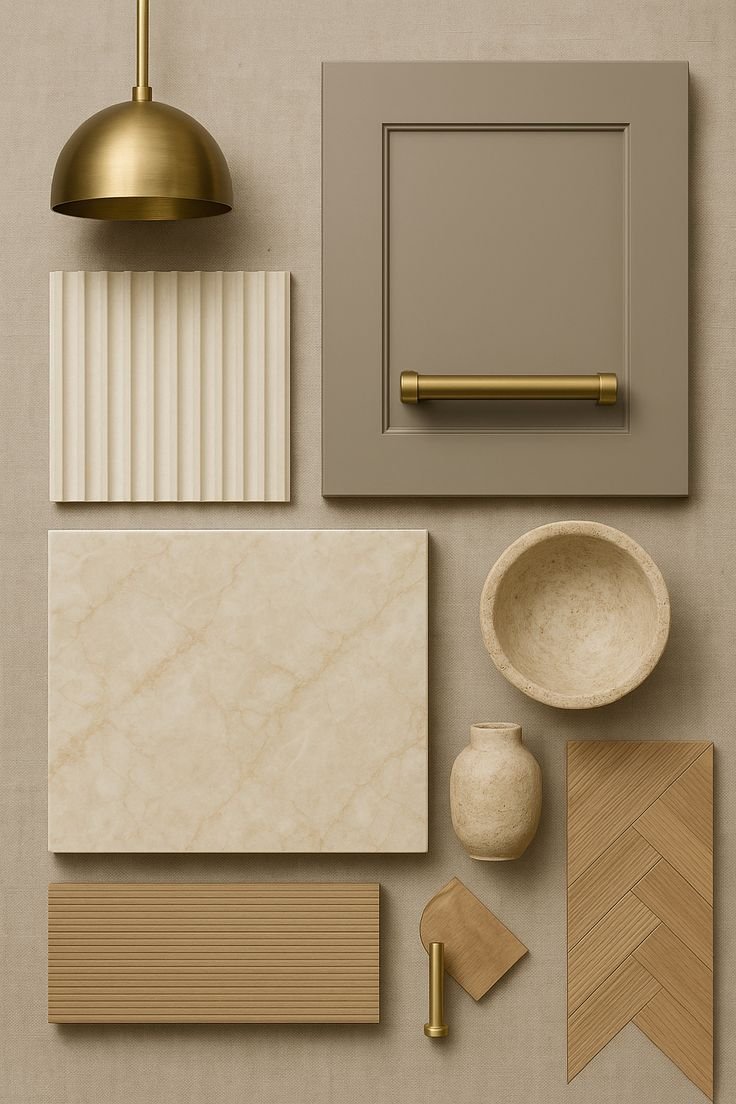
Photo Via: NYC Renovation Guide
Repeat key materials and limit new ones
Cohesion comes from repetition used with control.
Set limits:
1 flooring type across main areas, not tile in one room, wood in another, and a different wood elsewhere
2 to 3 metal finishes total, for example brushed brass and black, not five different finishes
1 to 2 stone types used consistently
When selecting the best materials for luxury homes in California climate, this also improves performance. Using the same large-format flooring inside and in covered outdoor areas can reduce visual breaks and handle temperature changes more effectively.
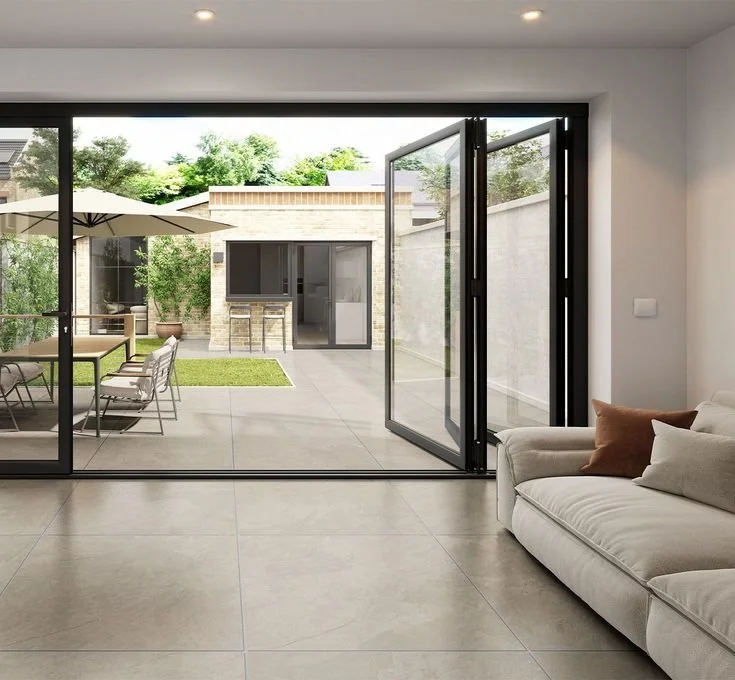
Keep architectural details consistent
A home starts to feel pieced together when details change from room to room.
Check these across every room:
Door style and height
Baseboard profile and size
Cabinet door style, such as flat panel or shaker
A common issue is using modern flat-panel cabinets in the kitchen and traditional paneling in bathrooms. That creates a split identity.
A full-service interior design Los Angeles approach fixes these details early so they stay consistent across the house.
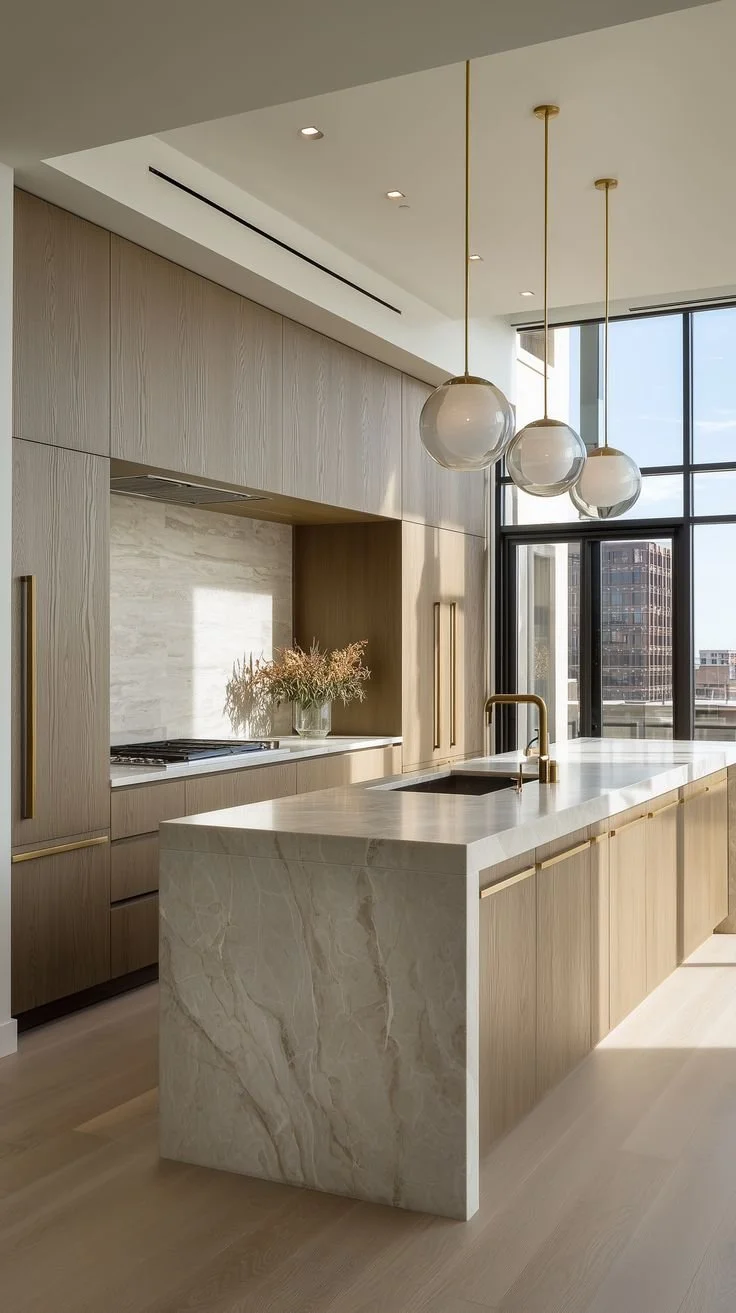
Photo Via: Linq Kitchen
Fix transitions between connected spaces
Transitions are where many homes fall apart.
Common problems:
Wood flooring meeting tile abruptly in an open-plan space
Two different floor stains used in adjacent rooms
Kitchen finishes that do not relate to the living area
In indoor-outdoor luxury living design, this is even more obvious. If your interior flooring stops at the door and a different material starts outside, the connection is lost.
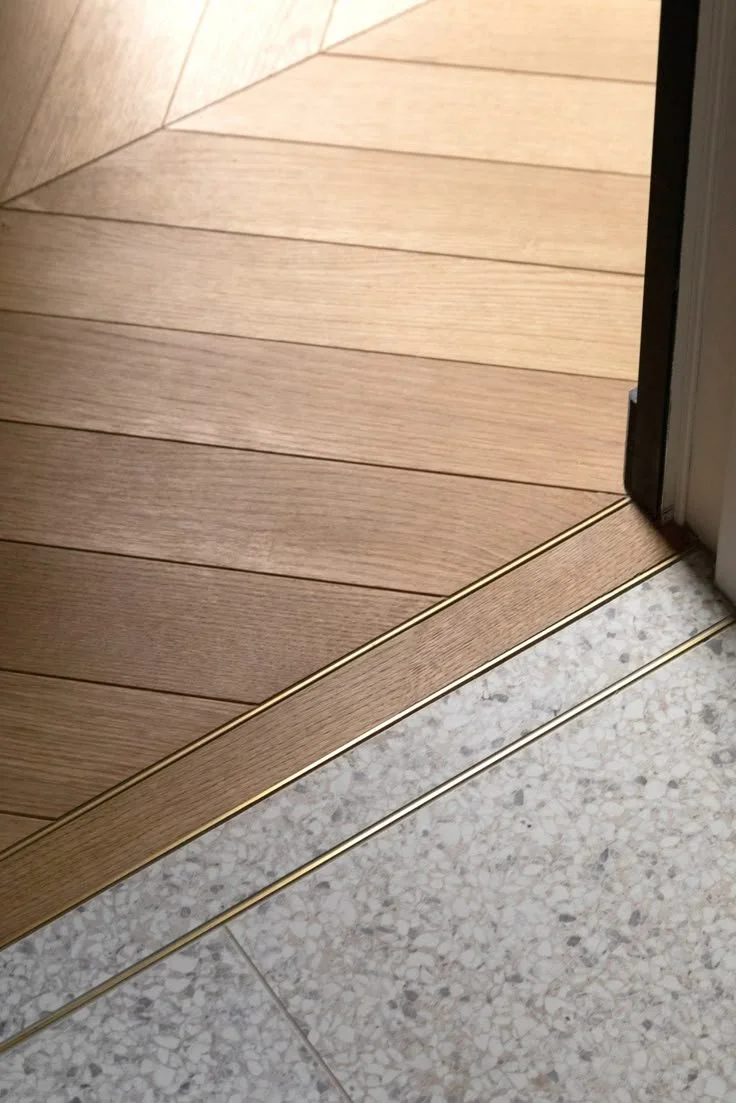
Photo Via: LM Architecture
A better approach is to continue the same flooring where possible. If materials must change, do it at a doorway or another clear boundary. Also, keep colors and tones aligned even when the materials are different.
Make furniture and art pieces work within the same system
Furniture and artwork should support the palette and material direction already in place.
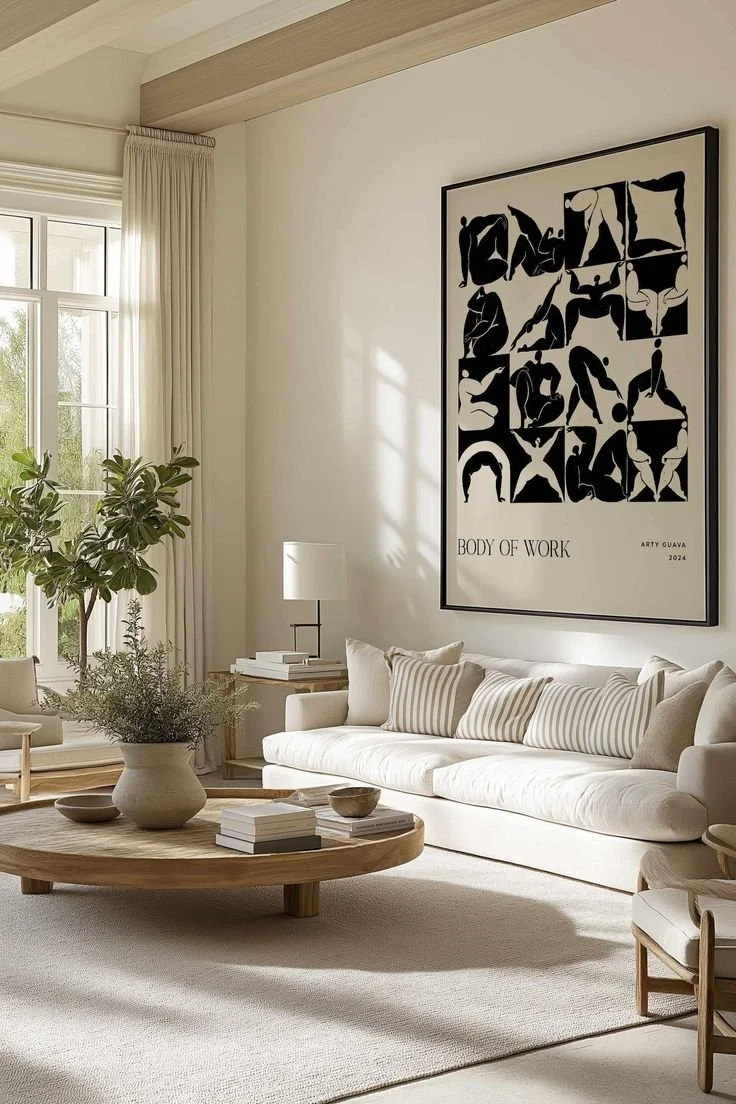
Photo Via: Olive et Oriel
Common mistakes:
Adding a red-toned wood table into a neutral oak-based home
Choosing artwork with colors that fight the existing palette
Mixing multiple design styles without enough overlap
With art curation for luxury homes, pieces are chosen based on scale, color range, and placement within the home, not just individual appeal.