
Designing Homes for Art Collectors in Los Angeles
Collecting art changes how a home should be planned. If you wait until the house is complete, you’re left trying to fit artwork into walls that may be too small, too broken up, or poorly lit. At that point, your options are limited.
Designing for art starts before construction is finalized. It requires using the actual dimensions of your pieces to guide layout, lighting, and wall planning.
Plan layout using actual artwork sizes
Start with the pieces you own or plan to acquire. Their size should influence wall lengths, ceiling heights, and viewing distance.
Examples:
A 6-foot-wide painting needs enough clear wall space and at least 8–10 feet of viewing distance
A tall vertical piece may require higher ceilings or lower furniture beneath it
Large works should not be placed on walls interrupted by doors or windows
In custom home interiors Los Angeles, this often leads to adjusting wall widths or relocating openings early in the design phase.
This is a core part of art curation for luxury homes Los Angeles: you plan the space around the work, not the other way around.
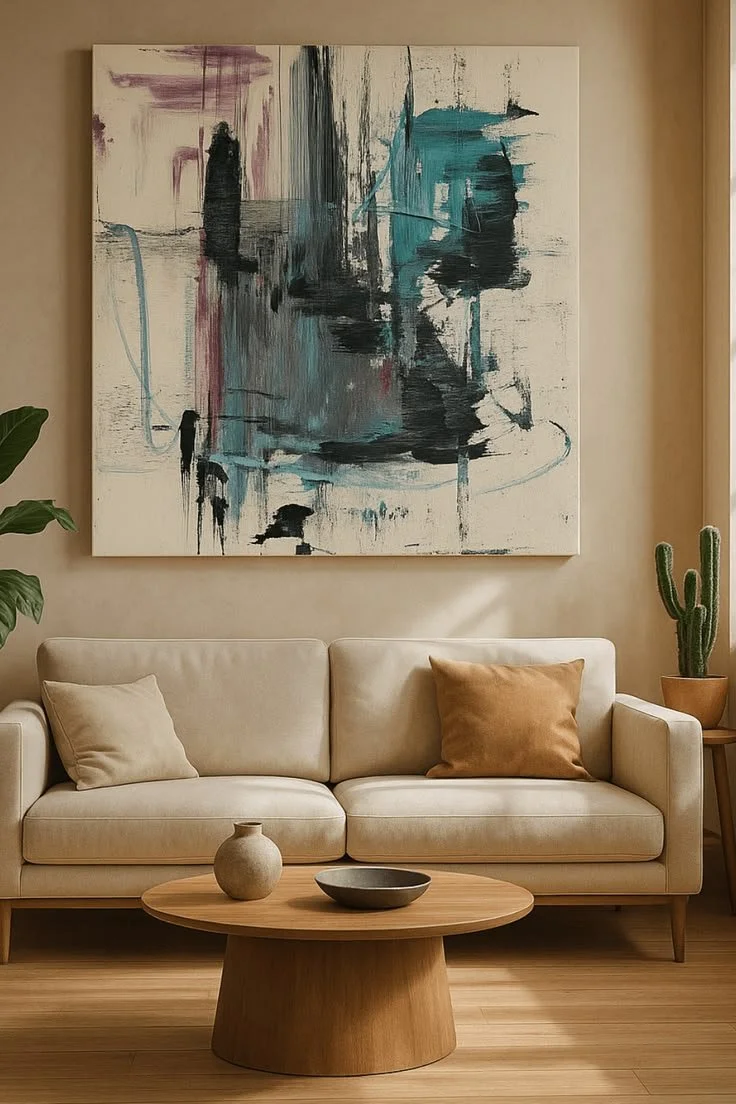
Fix wall conditions before thinking about placement
Most walls are not usable for art without adjustment.
Common problems:
HVAC vents or switches placed at eye level
Walls broken by multiple doorways
Short wall segments that can’t support larger pieces
These issues need to be addressed during planning, not after construction.
In curated luxury interiors LA, walls are treated as display surfaces. That means coordinating with the builder to relocate vents, consolidate openings, and preserve full wall spans where needed.
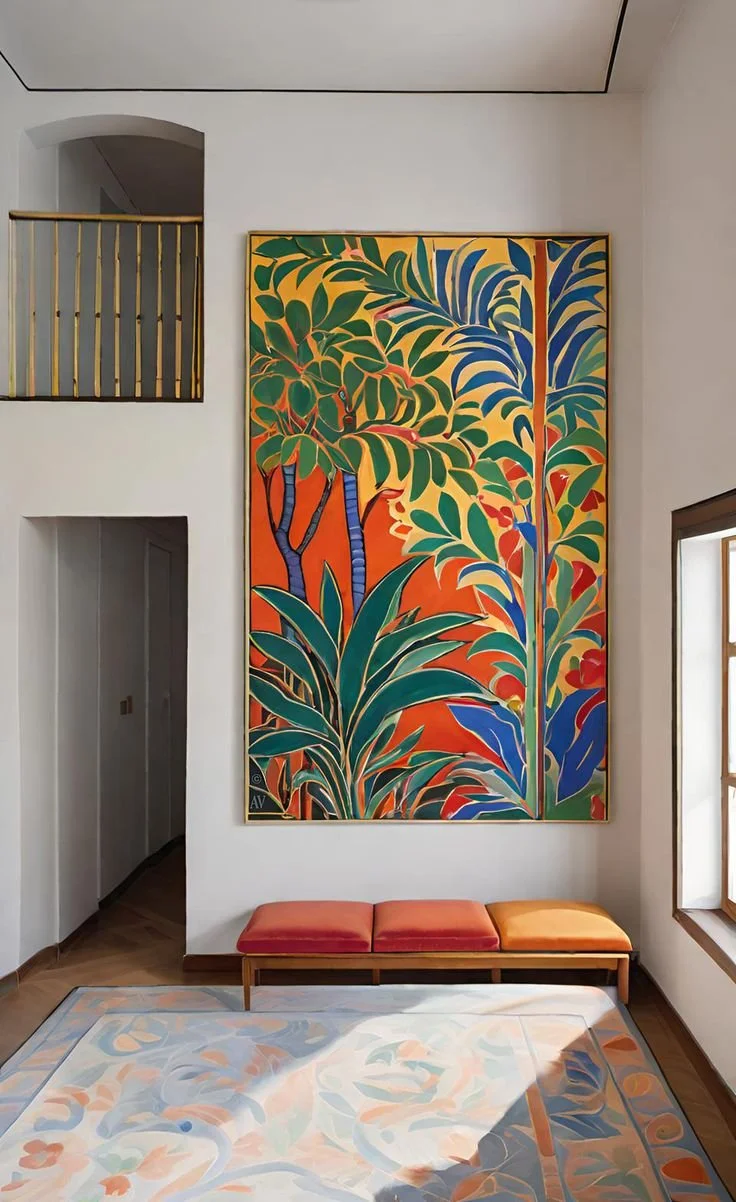
Control light to avoid glare and damage
Light placement should be planned before ceilings are closed.
What to address early:
Direct sunlight hitting artwork during peak hours
Lack of wiring for directional lighting
Fixtures placed too far from the wall to properly illuminate art
In luxury residential interiors Los Angeles, large windows are common, which increases the risk of glare and fading. Use window treatments, UV-filtering glass, or wall placement strategies to protect key pieces.
Artificial lighting should be positioned to evenly cover the artwork without creating hot spots or shadows.
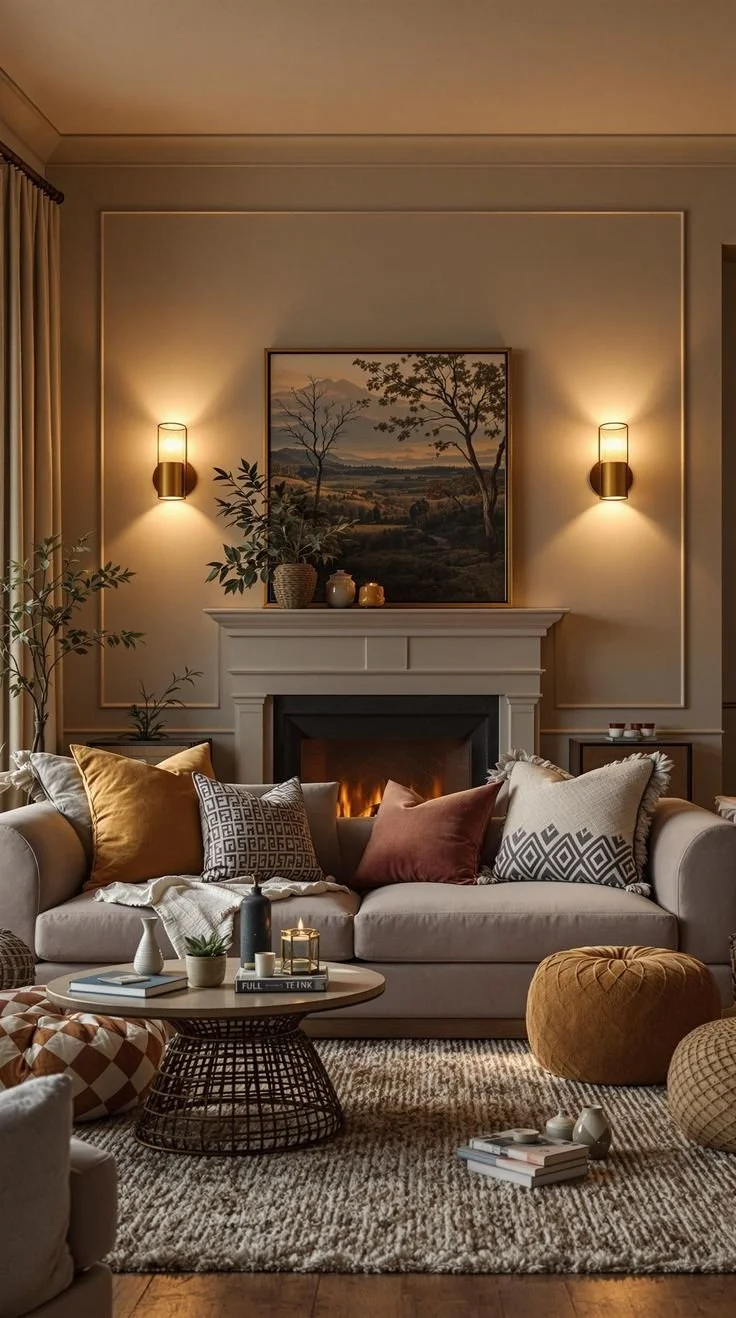
Keep furniture and finishes from interfering with the art
Furniture placement directly affects how art is viewed.
Common mistakes:
Sofas placed too close to large works, reducing viewing distance
Tall furniture blocking lower portions of artwork
Strongly patterned materials competing visually with the piece
A bespoke home design studio Los Angeles will plan furniture layouts alongside art placement, not after. This ensures clear viewing distance and avoids crowding.
Material choices also matter. Highly reflective surfaces or strong patterns near artwork can distract from it.
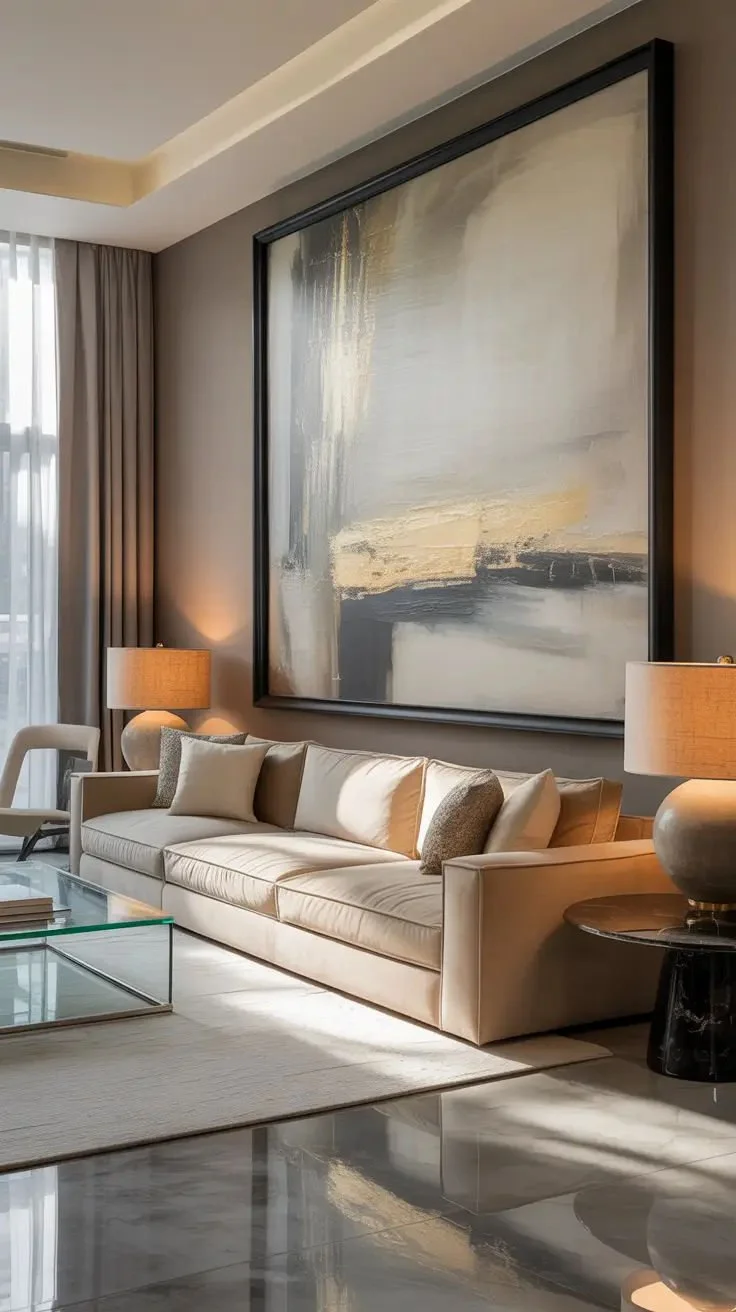
Make the house usable without putting the art at risk
A collector’s home still needs to function.
Plan for:
Circulation paths that don’t force people to brush against artwork
Durable finishes in high-traffic areas near displayed pieces
Secure mounting and placement away from impact zones
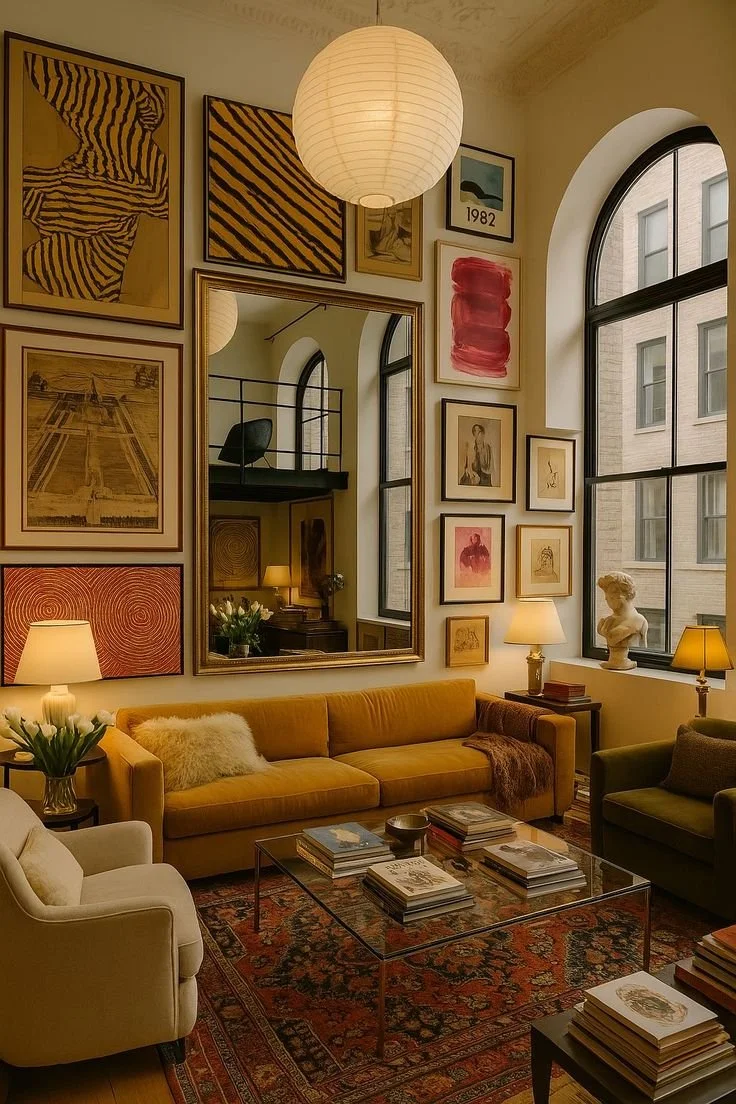
Art should not be placed where doors swing into it or where people naturally pass too close.