
What Is Shou Sugi Ban and How to Use It In Your Home
It’s a Japanese technique where wood is charred, brushed, and sealed. The charring process hardens the surface and brings out the grain. The result is a dark finish with visible texture rather than a flat, painted look. In projects by a high-end home design firm California, it’s chosen for both durability and visual impact.
What Shou Sugi Ban is
It’s a Japanese technique where wood is charred, brushed, and sealed. The charring process hardens the surface and brings out the grain. The result is a dark finish with visible texture rather than a flat, painted look. In projects by a high-end home design firm California, it’s chosen for both durability and visual impact.
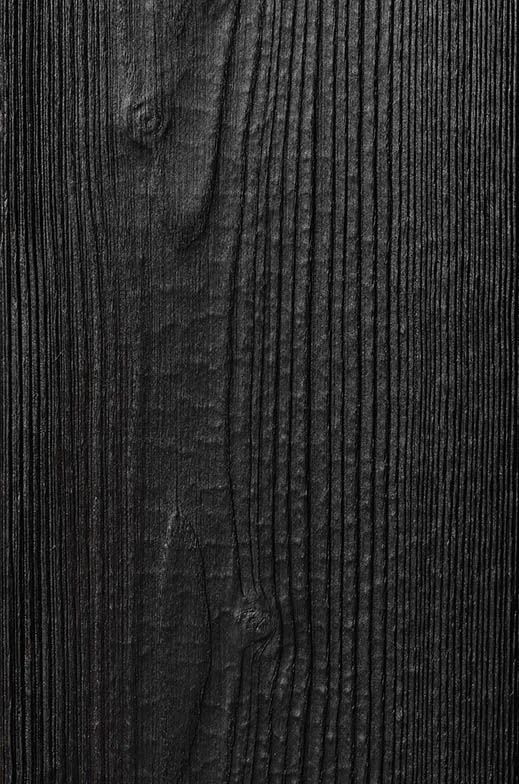
Photo Via: Wood of Fire
What it actually looks like
The surface varies depending on how deeply the wood is burned. Light charring shows more wood grain with darkened ridges. Heavier charring creates a deeper, almost cracked texture. It’s not a uniform black. There are subtle shifts in tone across each board. In interior design for modern architecture Los Angeles, this variation is often used to contrast smooth materials like concrete or plaster.
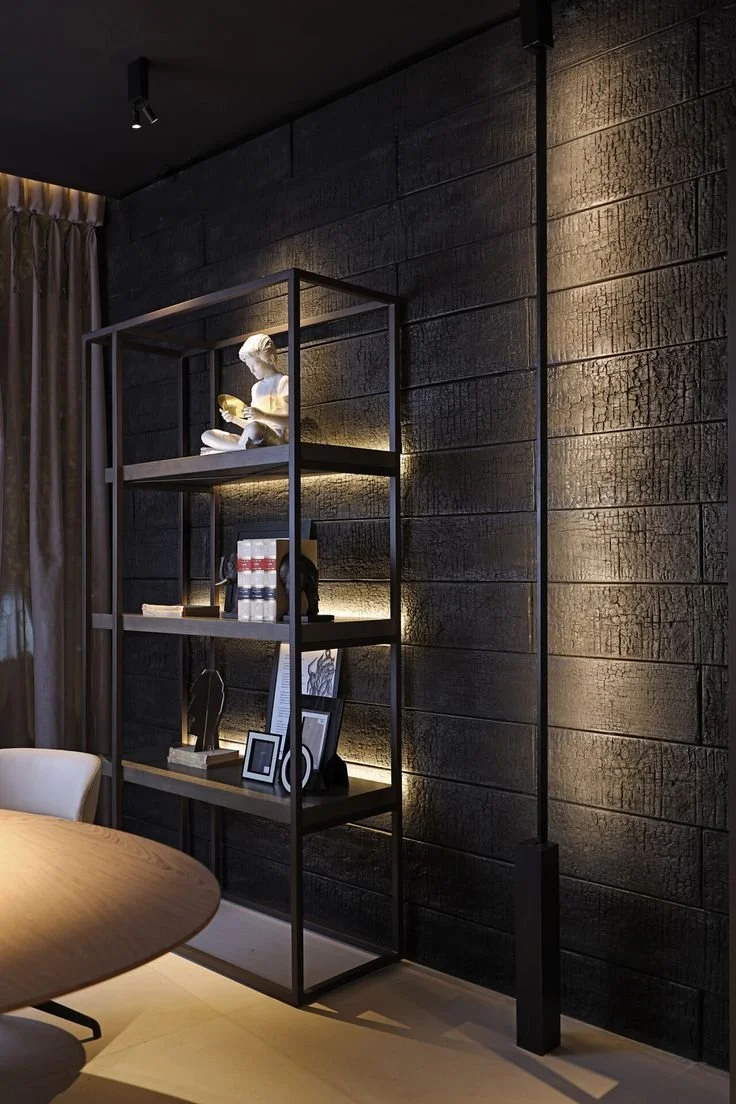
Photo Via: Castelatto
Where to use it in a home
Use it in one defined area rather than across multiple surfaces. A fireplace wall, entry wall, or exterior façade works well because it creates a clear focal point. For cabinetry, limit it to lower cabinets or an island base instead of the entire kitchen. In Brentwood high-end interior design, it’s often placed where natural light can highlight the texture.
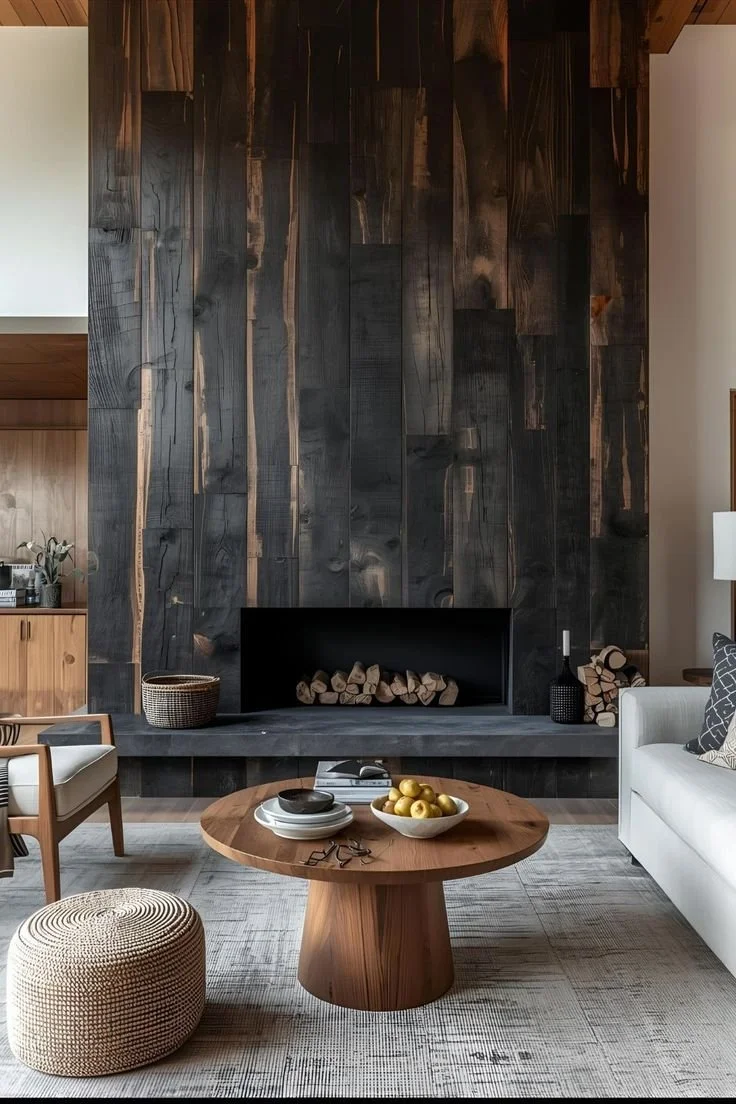
Photo Via: Rectify Home
What to plan before using it
Lighting makes a big difference. In rooms with limited natural light, large sections of charred wood can make the space feel too dark. Balance it with lighter walls or ceilings. Board width also matters. Wider planks (6–8 inches) keep the texture from looking too busy. An interior designer for architects LA would also align the boards consistently, either vertical or horizontal, to avoid a fragmented look.
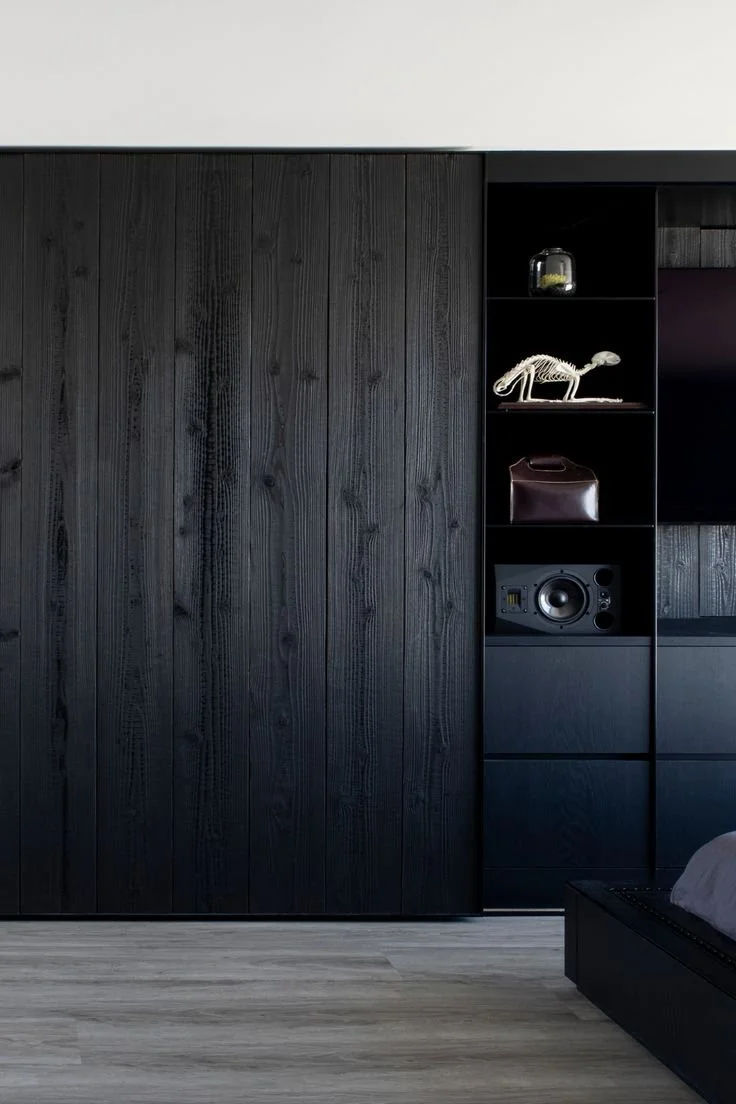
Photo Via: Nakamoto Forestry
How to keep it balanced
Limit the material to one or two areas and pair it with simpler finishes. For example, combine it with white walls, oak flooring, or neutral stone. Avoid using it on walls, ceilings, and cabinetry all at once. In work by a bespoke home design studio Los Angeles, restraint is what keeps the material effective. It stands out because it’s not used everywhere.