What Is Feng Shui?
Feng Shui comes up often in interior design because it addresses a common problem: a home can look good but still feel difficult to use. Poor furniture placement, blocked walkways, and awkward layouts affect how a space works day to day. Feng Shui focuses on fixing those issues through better planning.
Where it comes from
Feng Shui started as a Chinese system for placing buildings in relation to their surroundings. Over time, it was adapted for interiors. Today, many designers use parts of it as a planning tool rather than a strict rulebook. In luxury residential interiors Los Angeles, it’s often used to guide layout decisions early in the design process.
The core ideas in simple terms
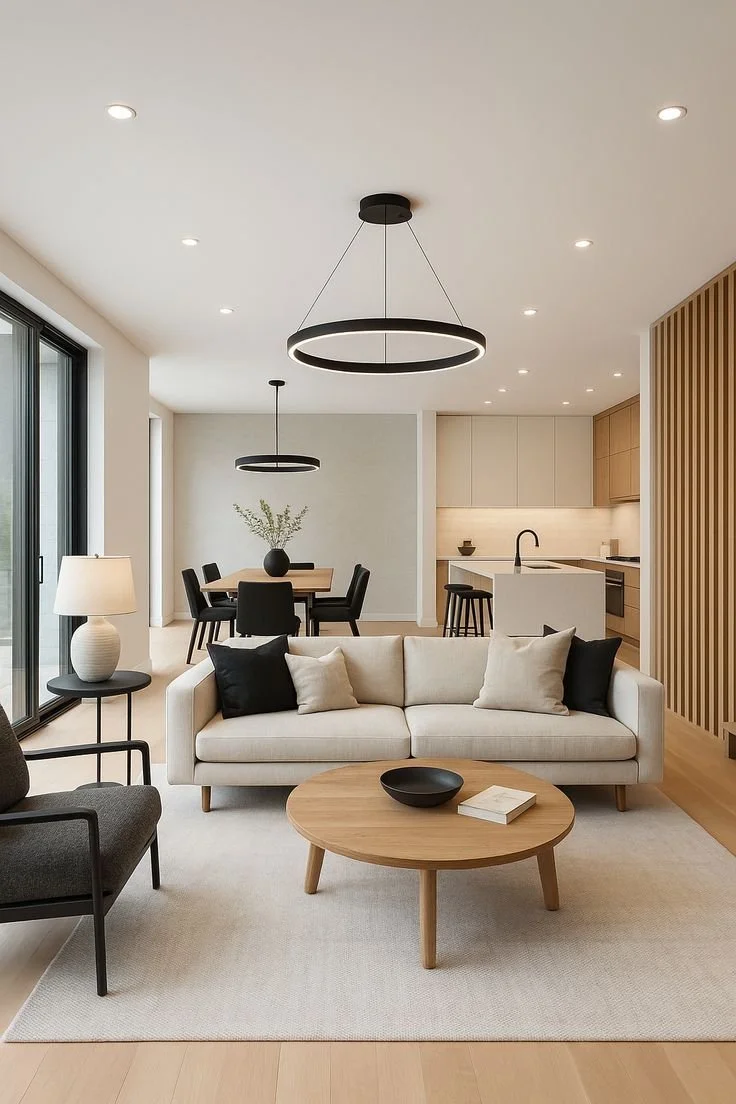
At a basic level, Feng Shui is about how people move through a space. Clear walkways, balanced furniture placement, and visible entry points are the foundation. For example, walkways should stay at least 30–36 inches wide so movement isn’t restricted. In curated luxury interiors LA, this often results in layouts that feel open and easy to use rather than crowded.
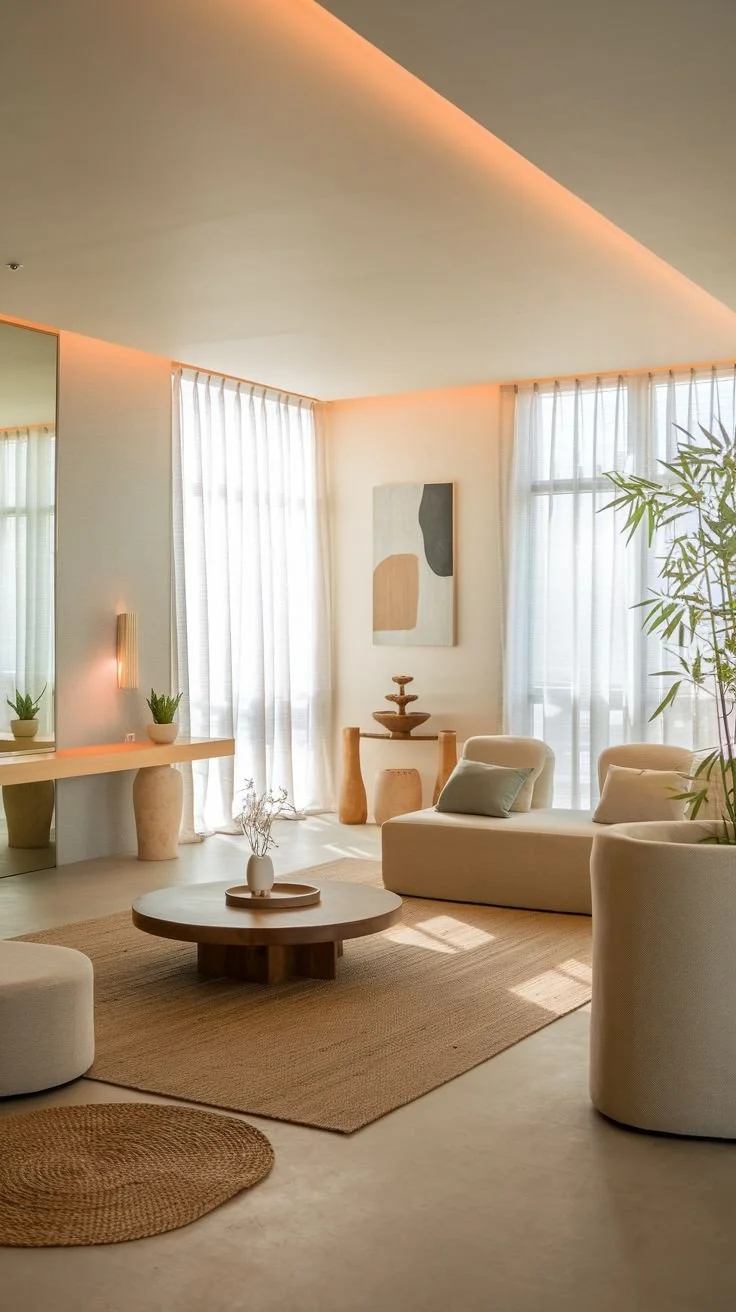
Photo Via: For the Love of Living
Why it’s used in home design
Feng Shui is used to make spaces more functional. It helps avoid common layout mistakes, like placing furniture where it interrupts movement or blocks access. A high-end home design firm California may use these principles to ensure the layout supports how the homeowner actually lives, not just how the space looks.
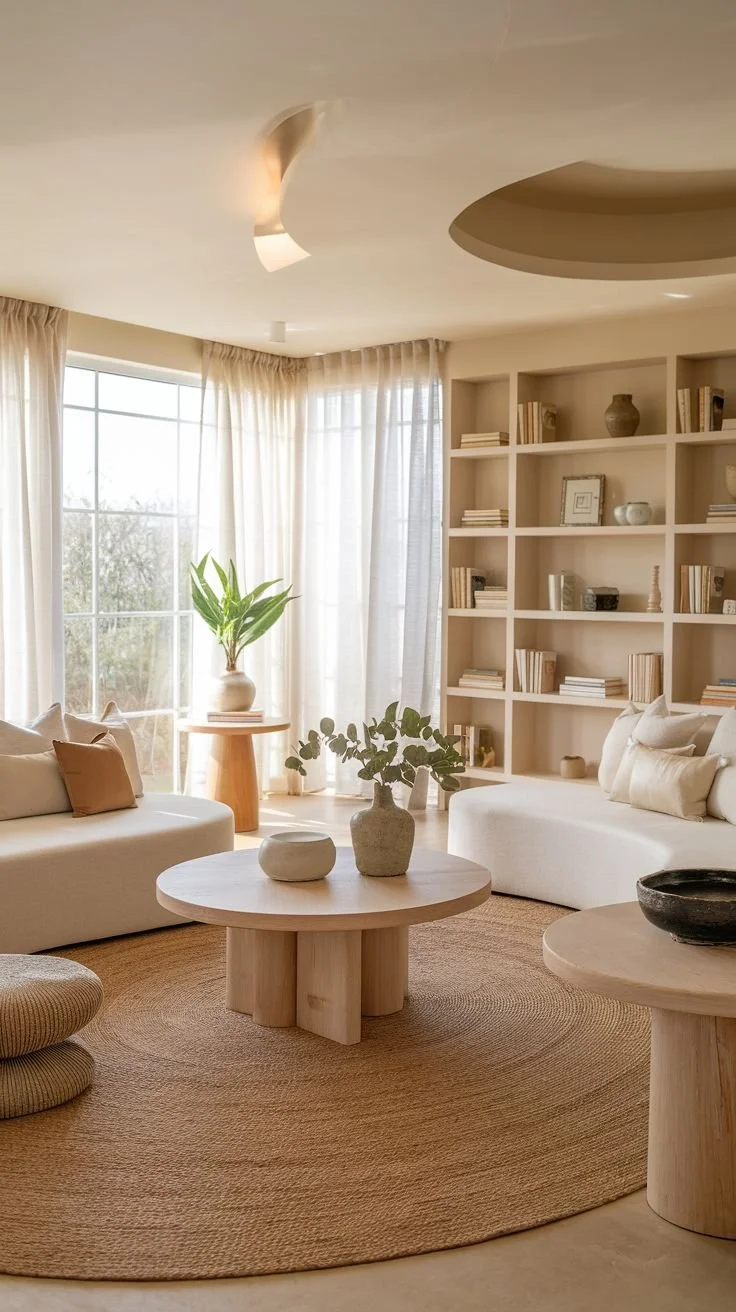
Photo Via: For the Love of Living
How it changes layout and furniture placement
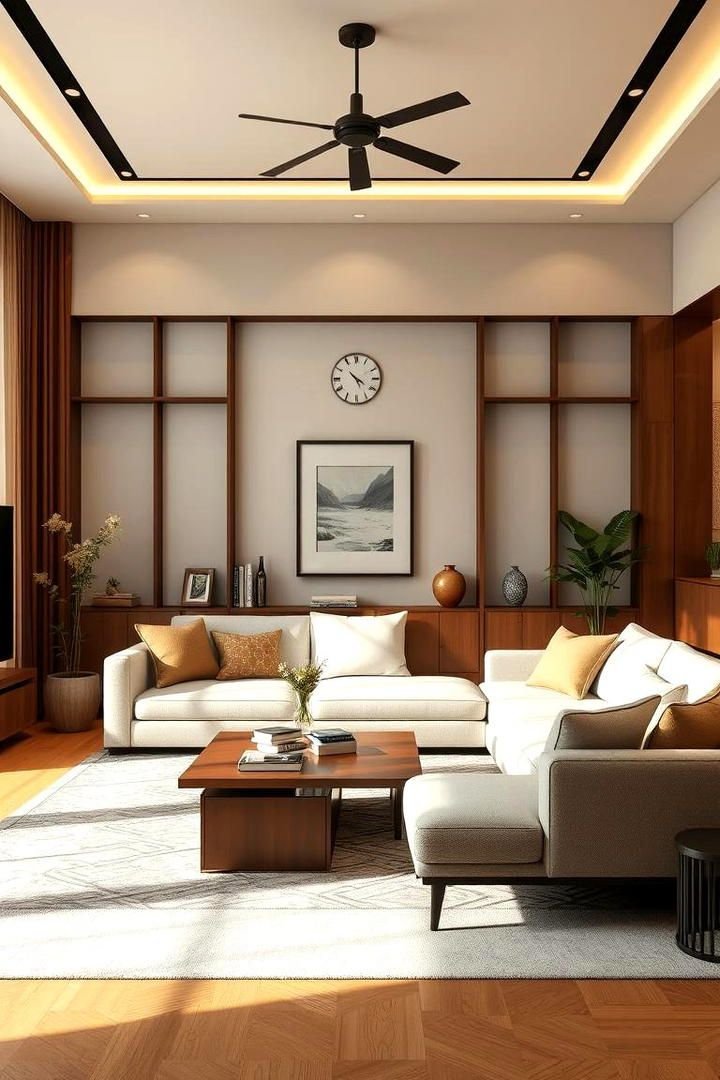
One key rule is the “command position.” Beds, desks, and sofas should be placed where you can see the door without being directly in line with it. For example, a bed should sit against a solid wall with a clear view of the entrance, but not directly facing it. In projects by a bespoke home design studio Los Angeles, this type of placement improves both comfort and usability.
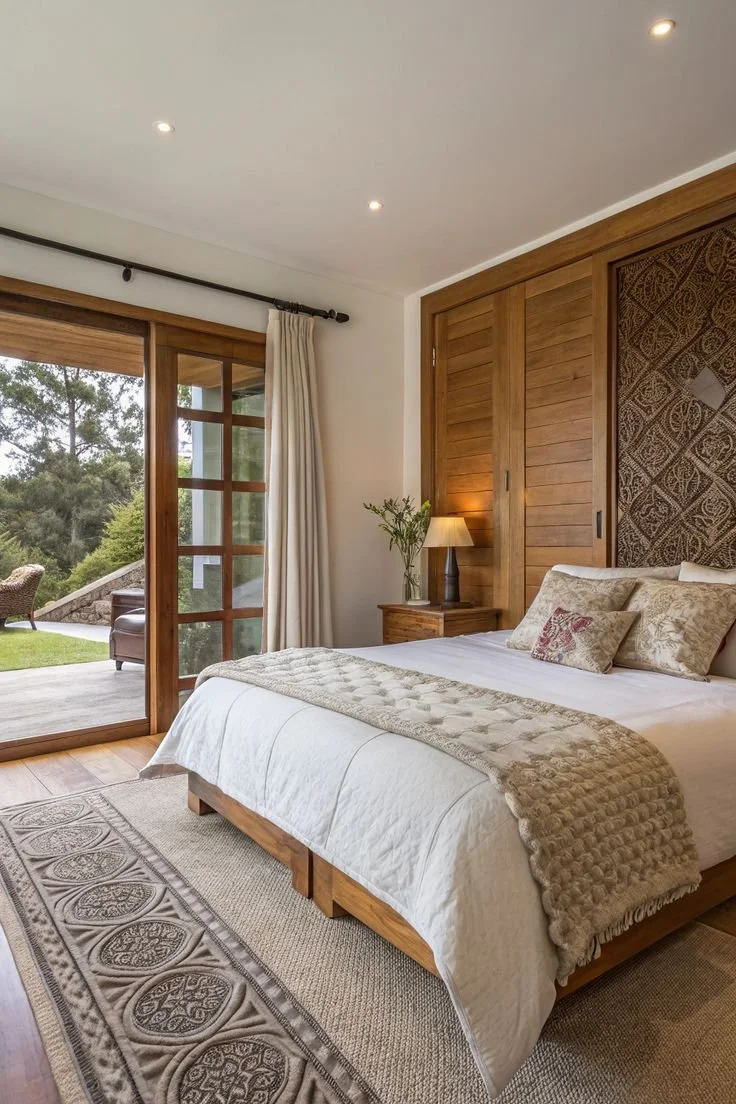
Photo Via: BambRise
How to apply it in a simple way
Start with layout, not decoration. Keep pathways clear, position key furniture where it has a clear view of the room, and avoid placing large pieces directly in circulation paths. You don’t need to follow every rule. You just need to focus on what improves how your unique home works. This is often how a Bel Air interior designer luxury homes would approach Feng Shui: use it as a guide, not a constraint.