
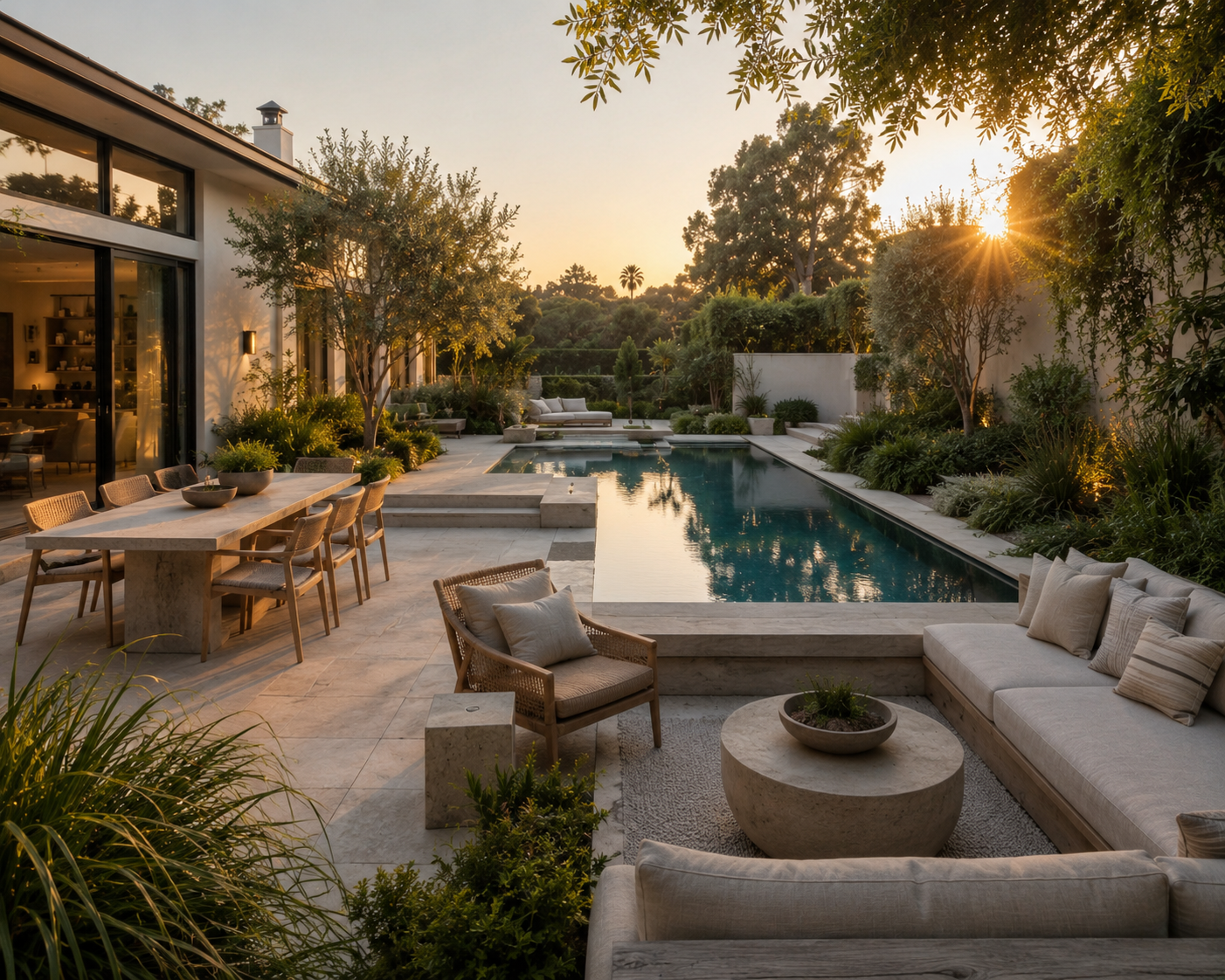
What High-End Los Angeles Backyards Have in Common
A high-end backyard in Los Angeles is rarely defined by how many features it includes. A pool, outdoor kitchen, fire pit, or expensive furniture does not automatically create a strong outdoor space. What actually separates well-designed backyards from average ones is how the space is planned, how it responds to the climate, and how naturally it connects to the home.
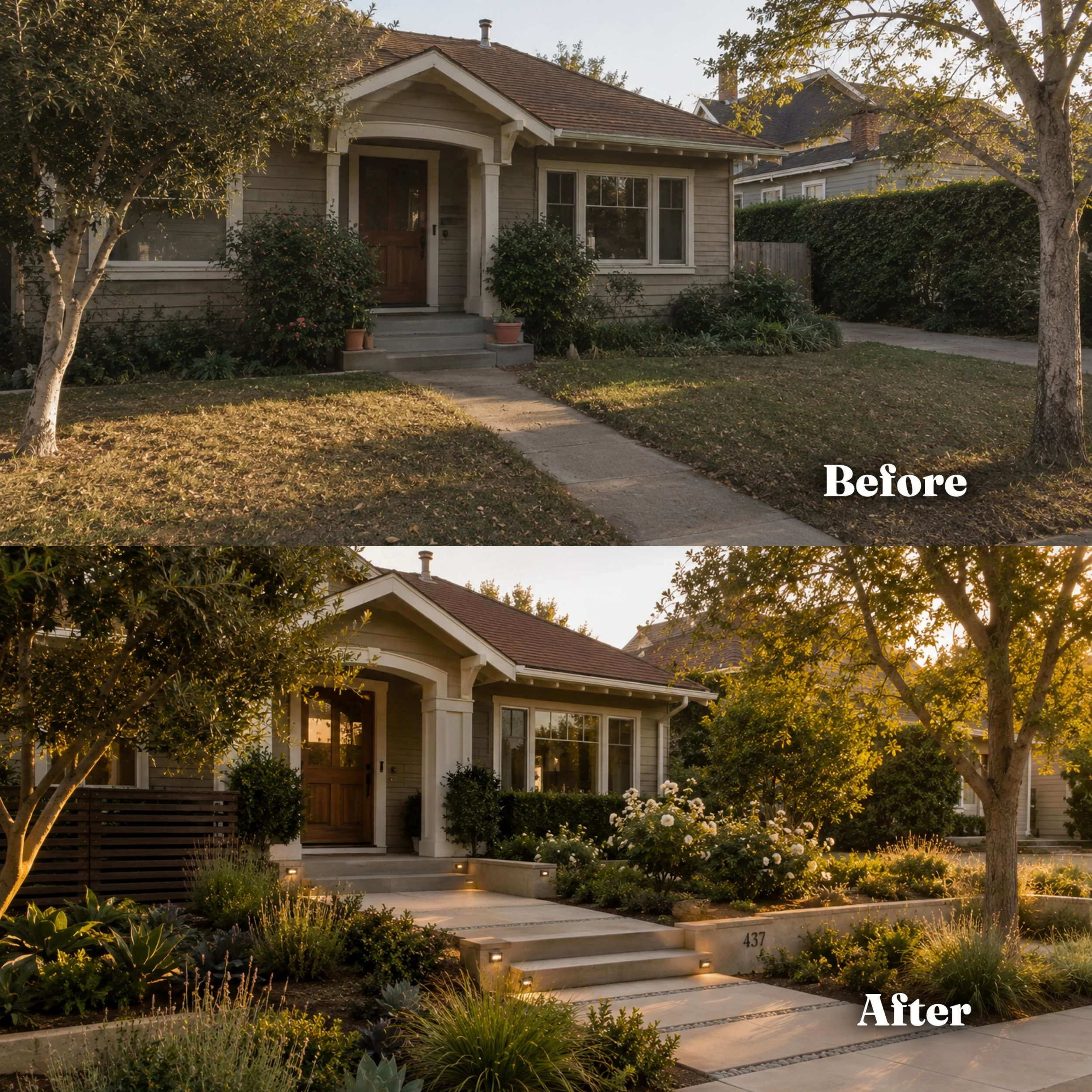
How to Modernize an Older Los Angeles Front Yard
Older Los Angeles front yards often have strong architectural homes behind them but outdated exterior layouts in front. Overgrown hedges hide the entry. Narrow or cracked walkways make arrival feel awkward. Lawns dominate space without serving a clear purpose. Lighting is either too dim or uneven. The result is a front yard that does not match the quality of the home itself.
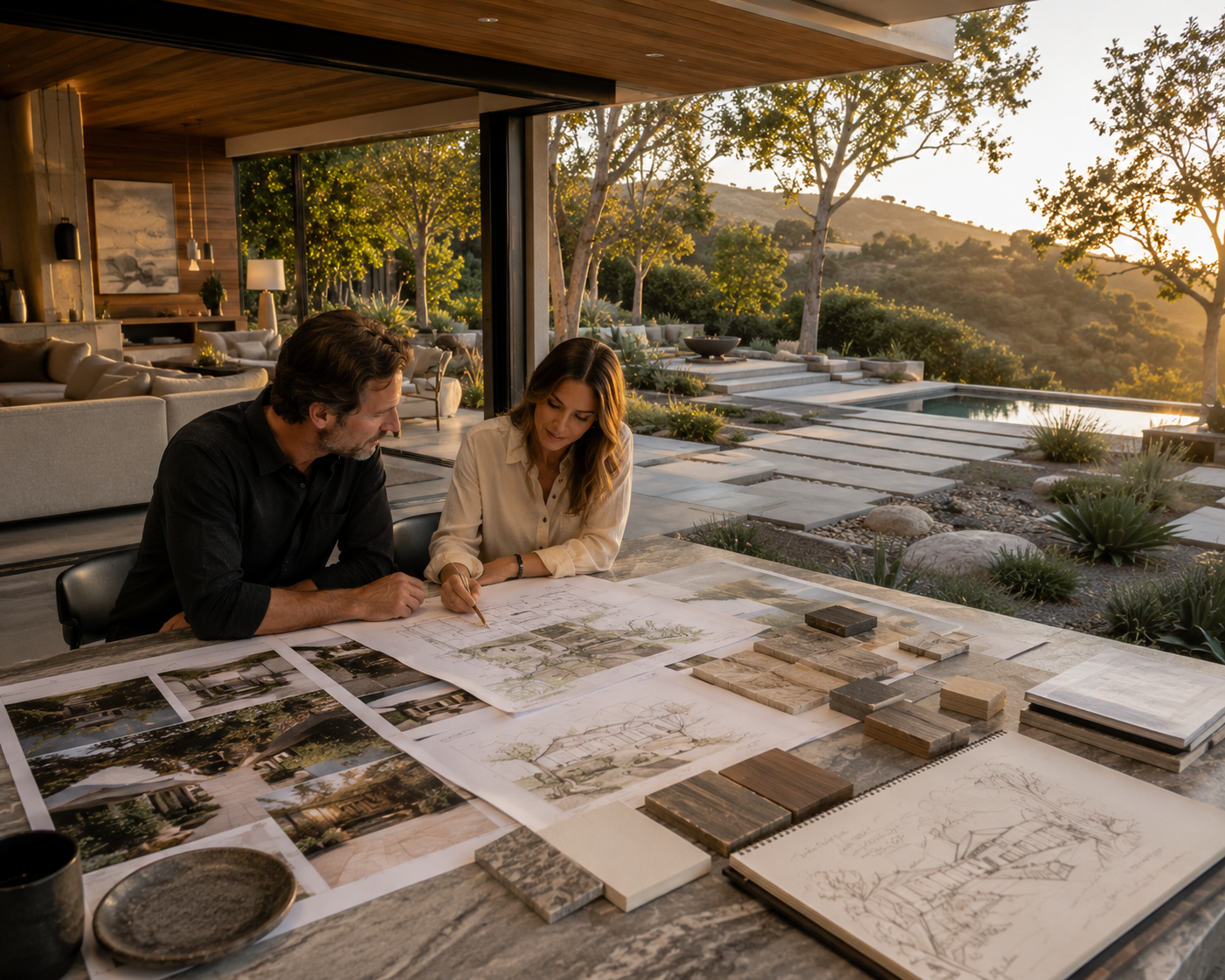
What to Expect When Hiring a Landscape Designer in Los Angeles
Hiring a landscape designer in Los Angeles often starts with uncertainty. Homeowners want clarity on cost, scope, and timeline, but also worry about making the wrong design decisions early. Questions usually come up fast: What gets included in the design? Who manages permits? How involved do I need to be? And how do outdoor decisions connect with the architecture of the home?
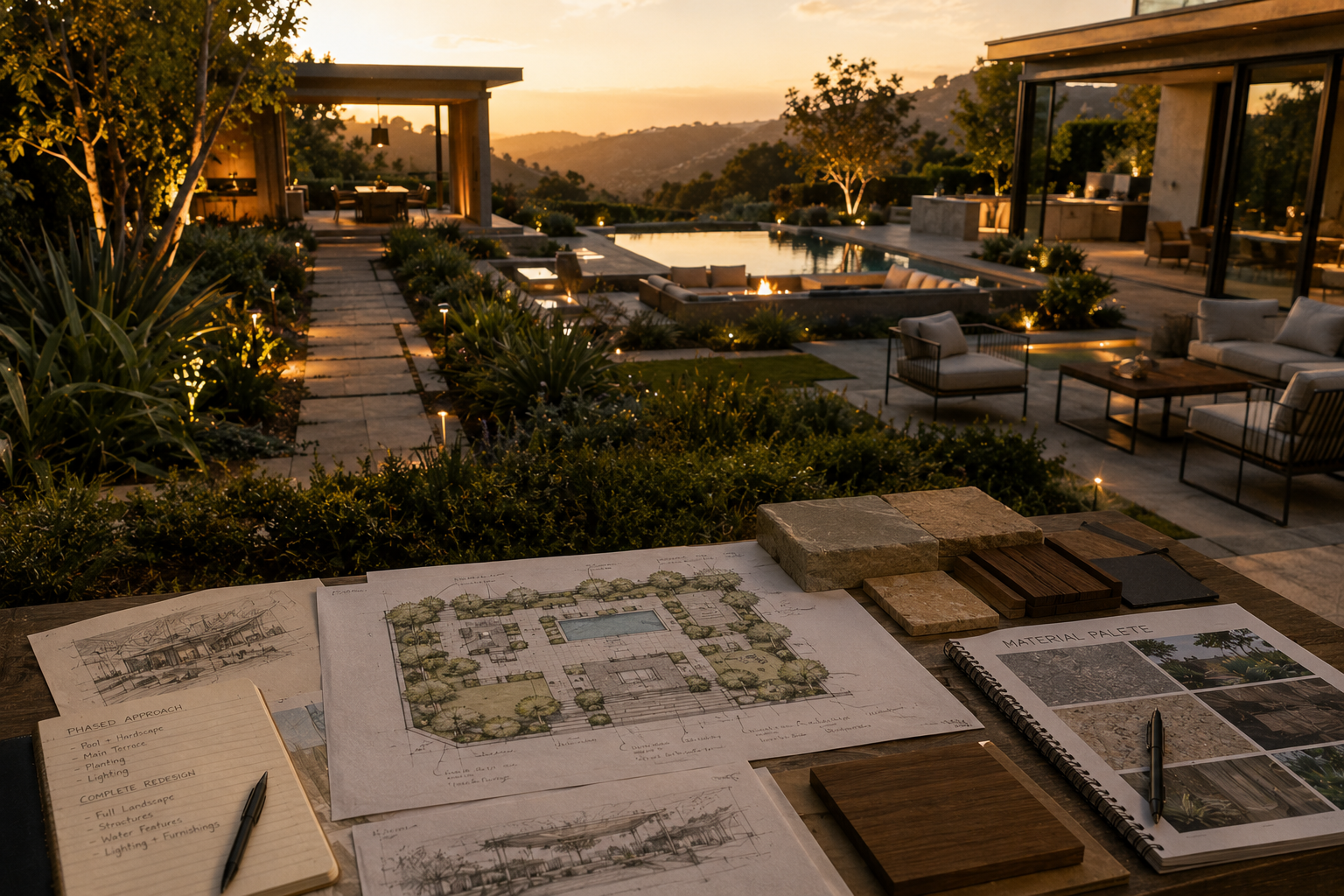
Should You Redesign Your Los Angeles Yard in Phases or All at Once?
Redesigning a yard in Los Angeles is rarely just about planting or paving. It often involves grading, drainage corrections, irrigation systems, lighting, utility lines, hardscape, pools, privacy structures, and outdoor kitchens. Once the scope becomes clear, homeowners face a practical question: should everything be done in one coordinated project, or split into phases over time?
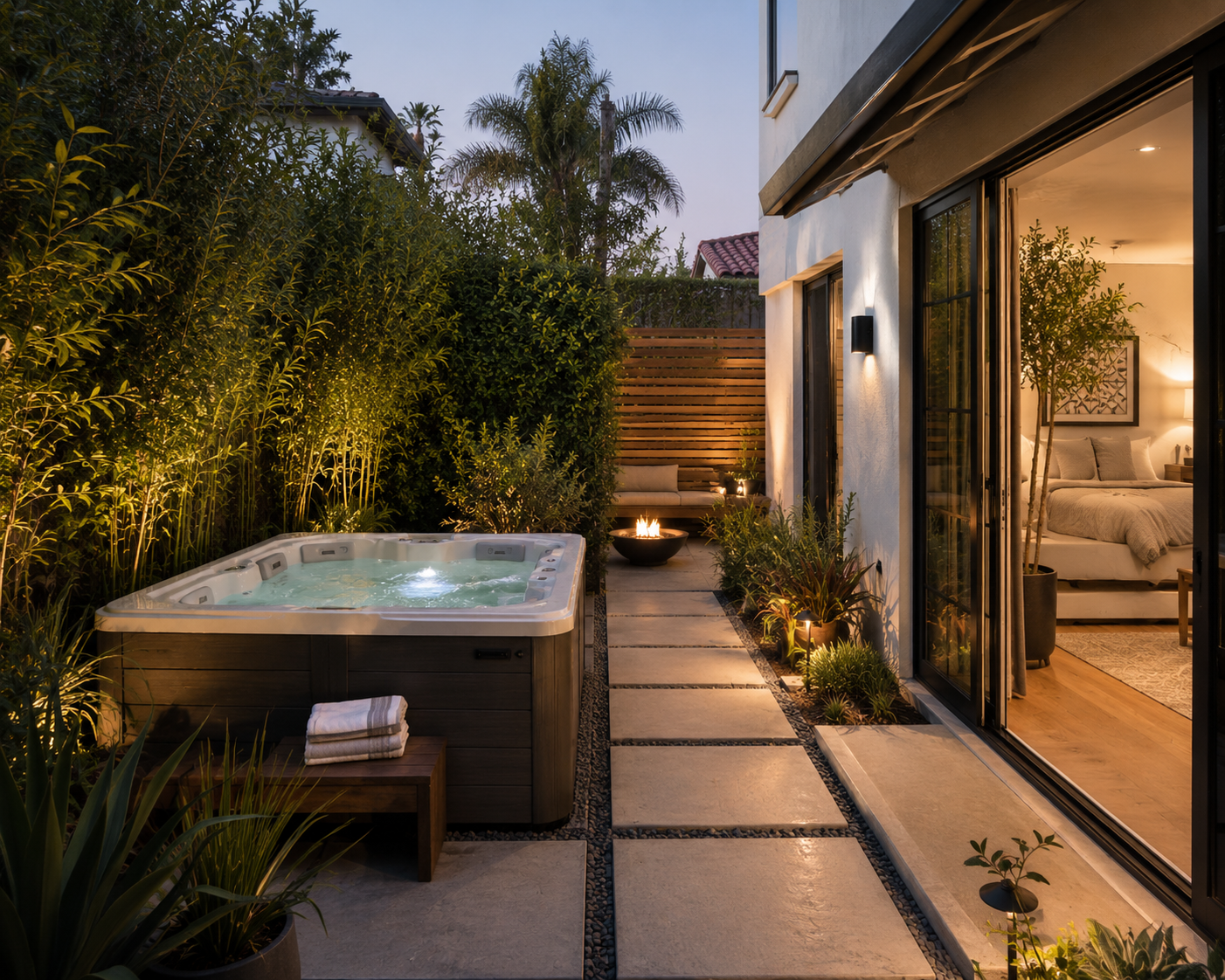
How to Design a Backyard Around a Hot Tub
A hot tub can be one of the most used features in a Los Angeles backyard, but only when it is placed and supported correctly. The most common planning mistakes are not about the tub itself, but about what surrounds it. Poor access from the house, slippery walking paths, lack of privacy, or no space for towels and cover removal can quickly turn a good installation into something inconvenient.
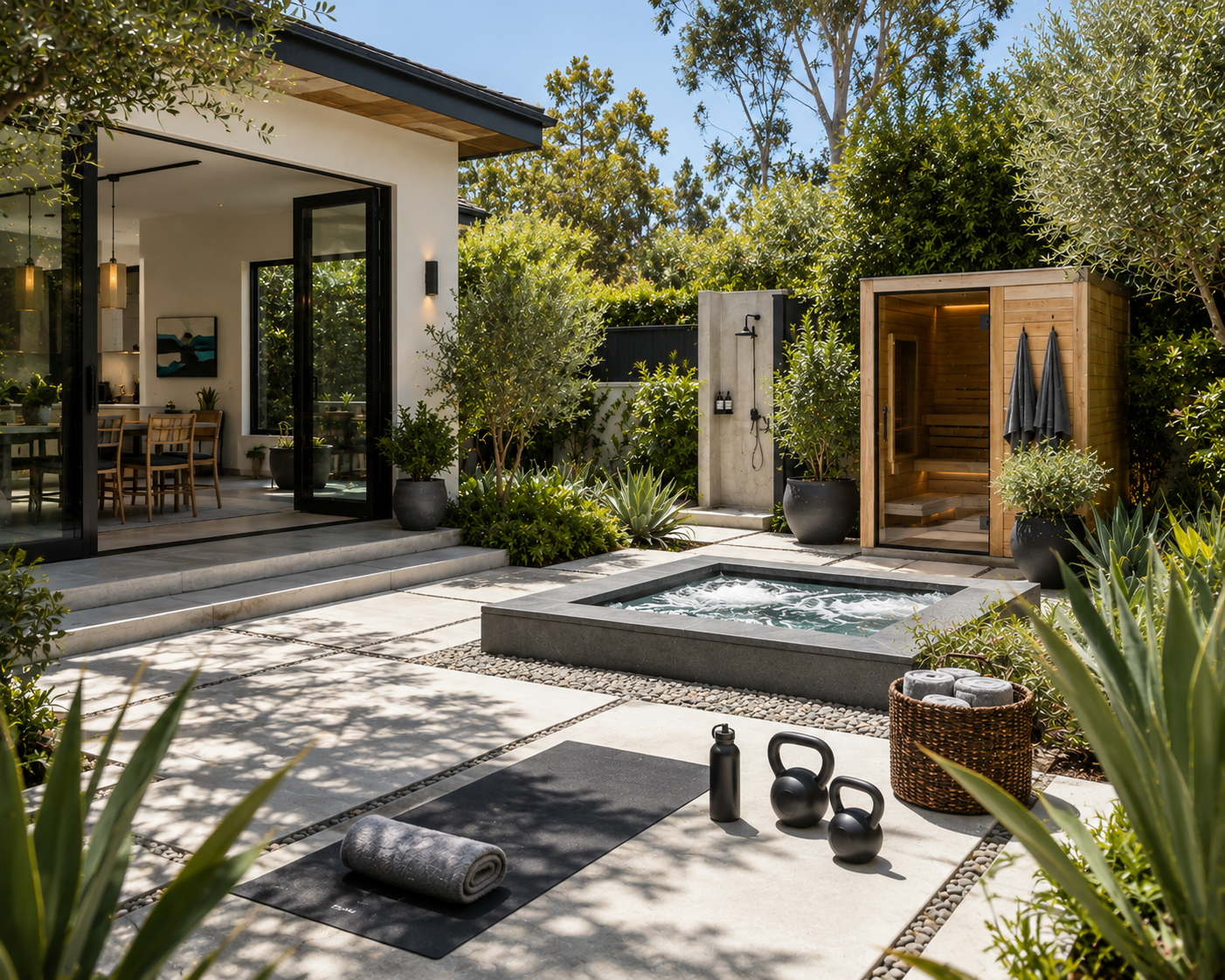
Backyard Wellness Spaces Gaining Popularity in Los Angeles
Los Angeles homeowners are using their backyards differently than they were five years ago. Instead of building oversized entertaining spaces that only get used on weekends, many are creating outdoor areas tied to daily routines like post-workout recovery, stretching, sauna use, or getting outside before work without leaving the property.
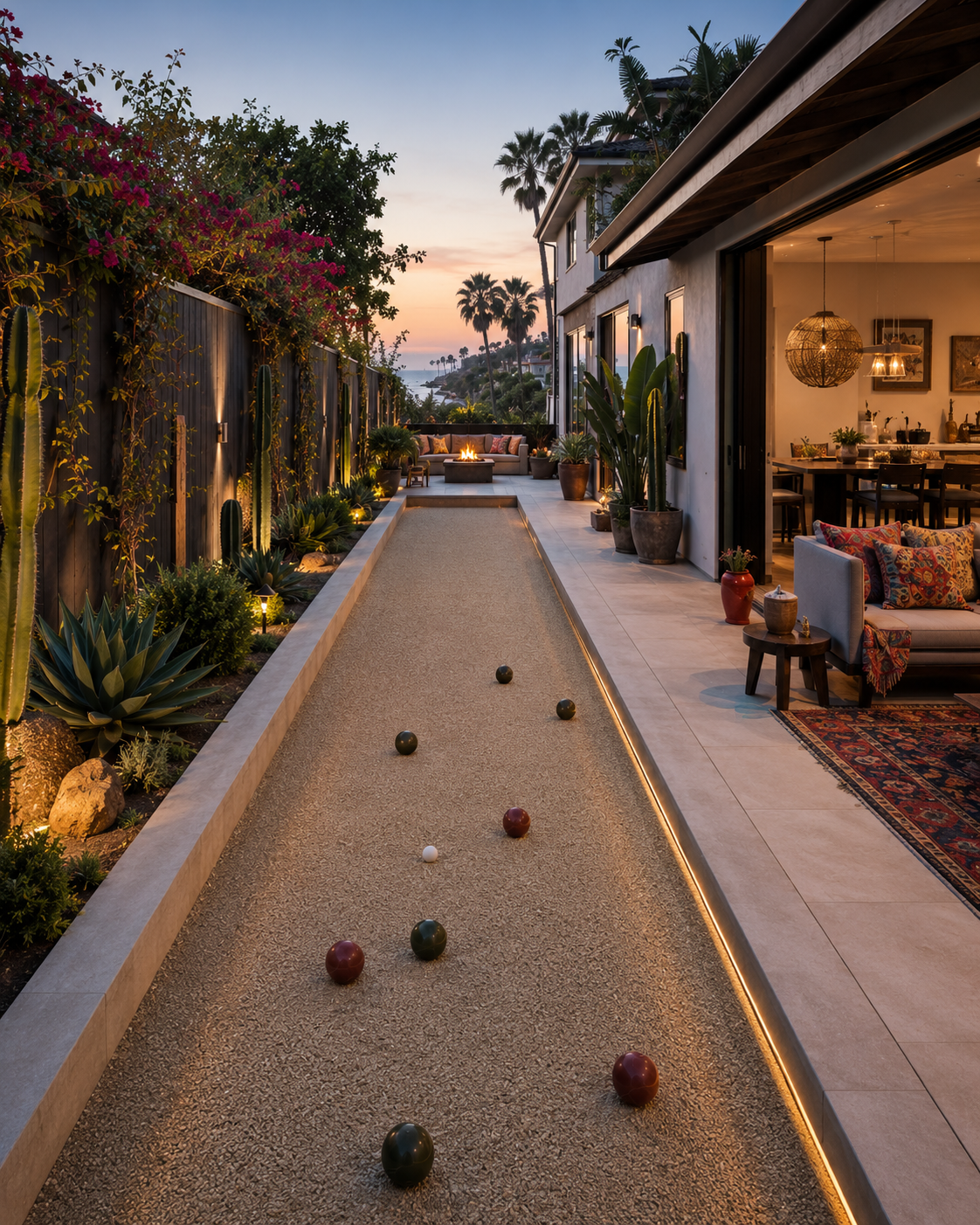
Backyard Bocce Court Ideas for Los Angeles Homes
Many Los Angeles homes have long side yards or narrow backyard sections that end up wasted because they are too small for a pool or too awkward for outdoor dining. A bocce court is one of the few backyard features that fits those spaces well without requiring heavy water use or constant maintenance.
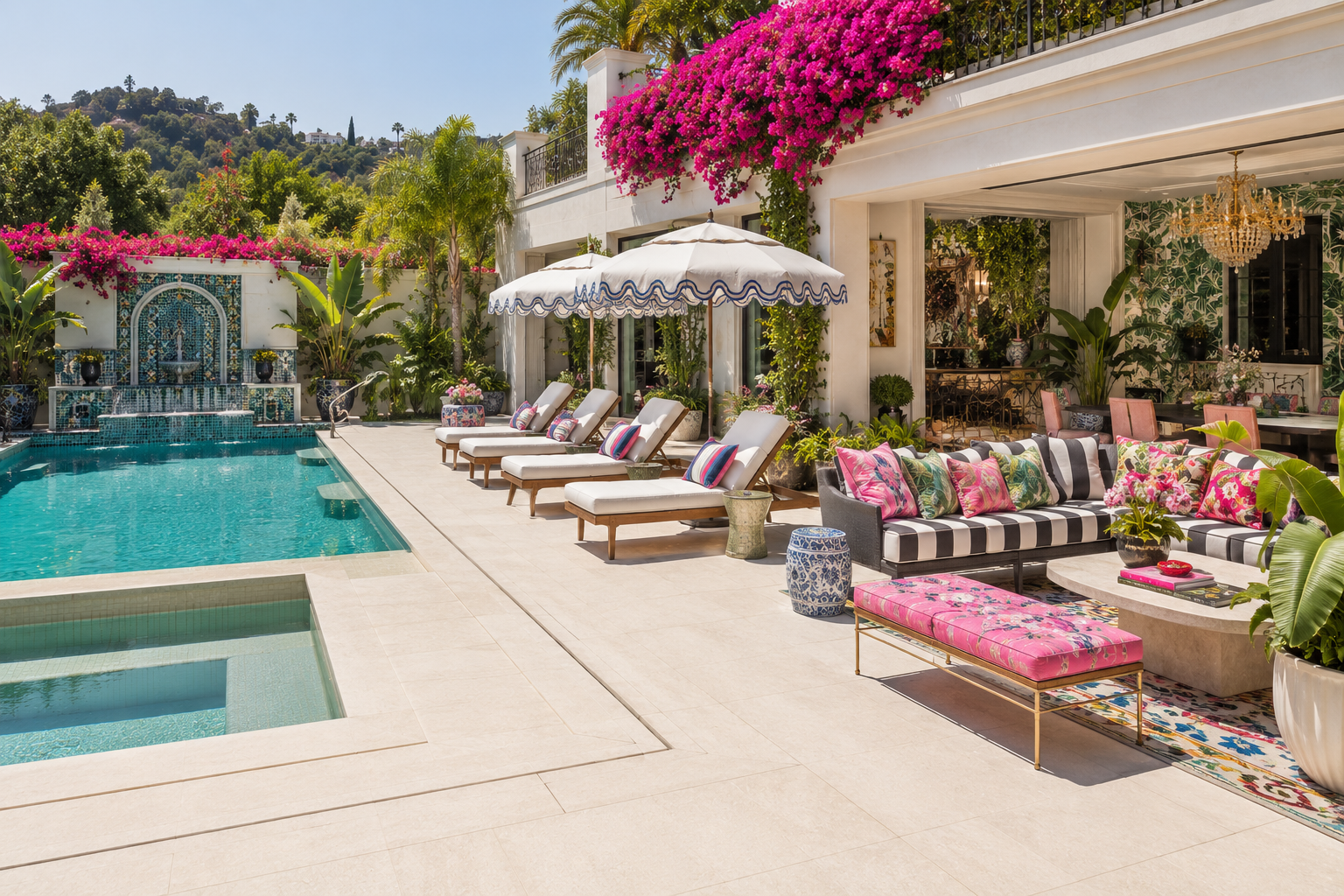
Pool Deck Materials That Stay Cooler in Los Angeles
A pool deck can look great and still become uncomfortable by early afternoon. In Los Angeles, surface temperature matters just as much as appearance, especially for homeowners with children, pets, or outdoor spaces that stay exposed to direct sun most of the day.
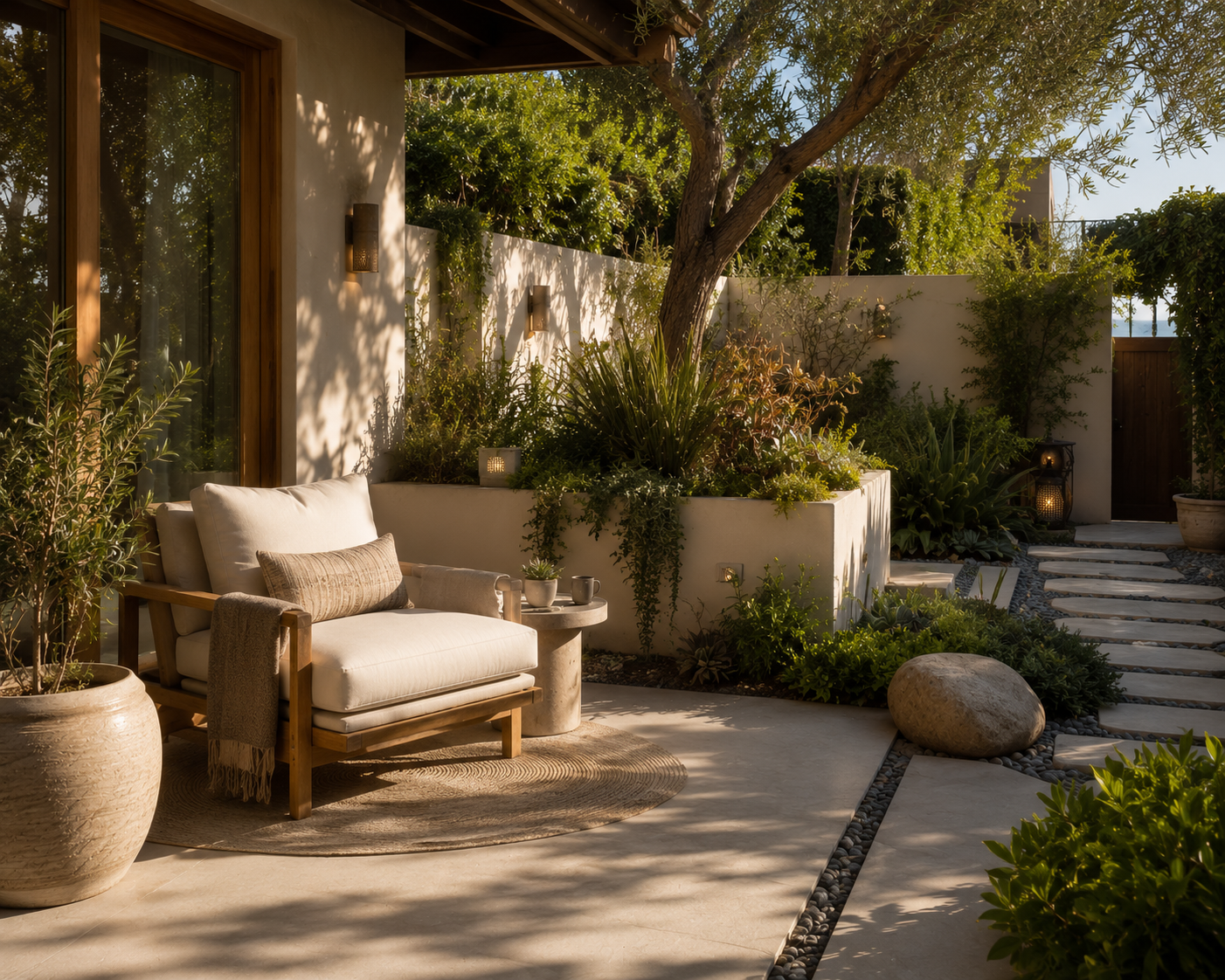
Outdoor Reading Corners for Los Angeles Gardens
A chair placed in the wrong part of the yard rarely gets used for long. In Los Angeles, direct afternoon sun, dry heat, traffic noise, and poor seating support can make an outdoor reading corner uncomfortable within minutes. Many homeowners focus too much on how the space looks and not enough on whether they will actually want to sit there regularly.
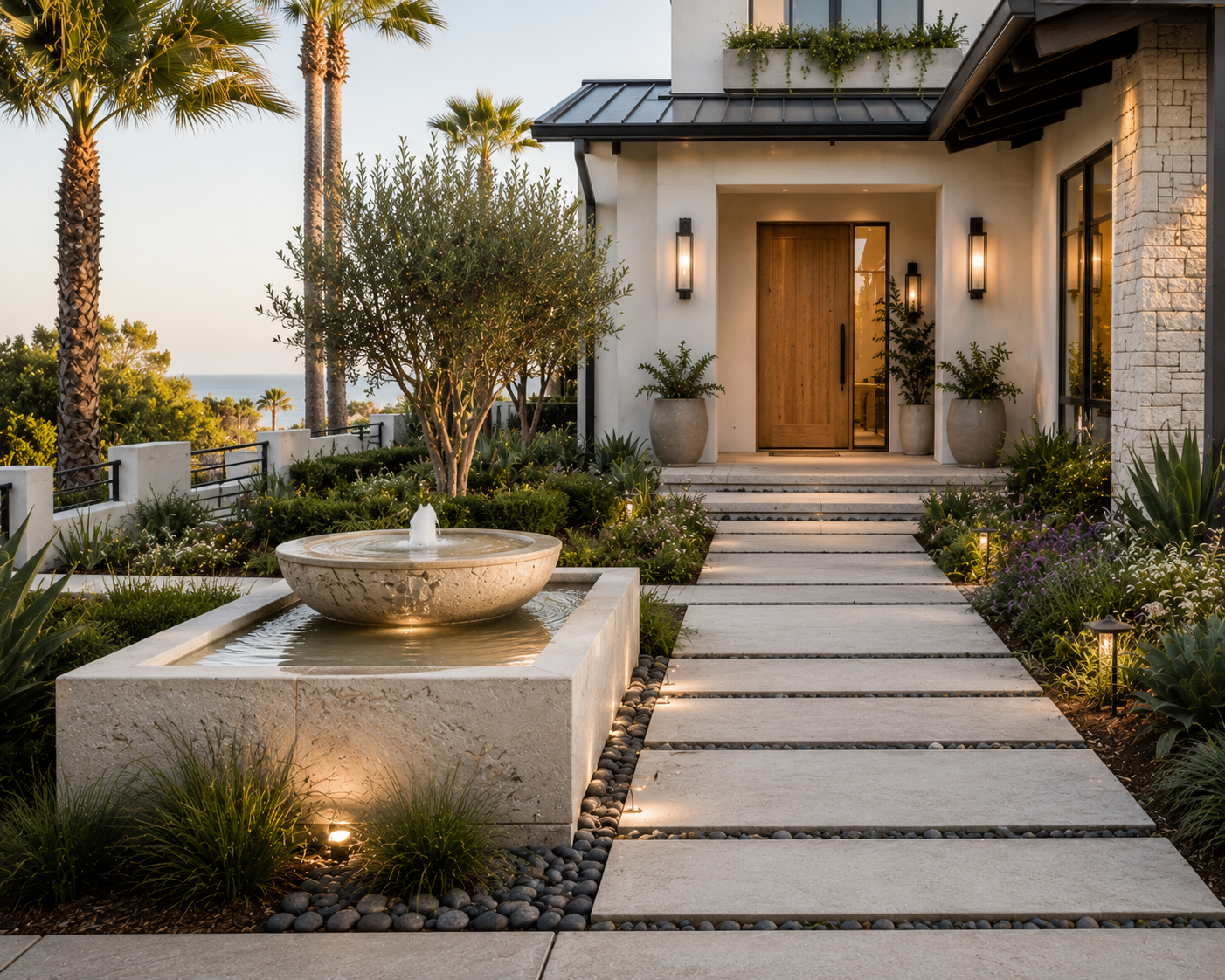
Where to Add a Fountain in a Front Yard
A front yard fountain can improve an entry, but only when it is placed correctly. In Los Angeles homes, poor placement is the most common issue. A fountain that is too far from the entry path gets ignored. One that is too close to the front door can feel disruptive. Others are oversized for the yard and overwhelm the architecture instead of supporting it.
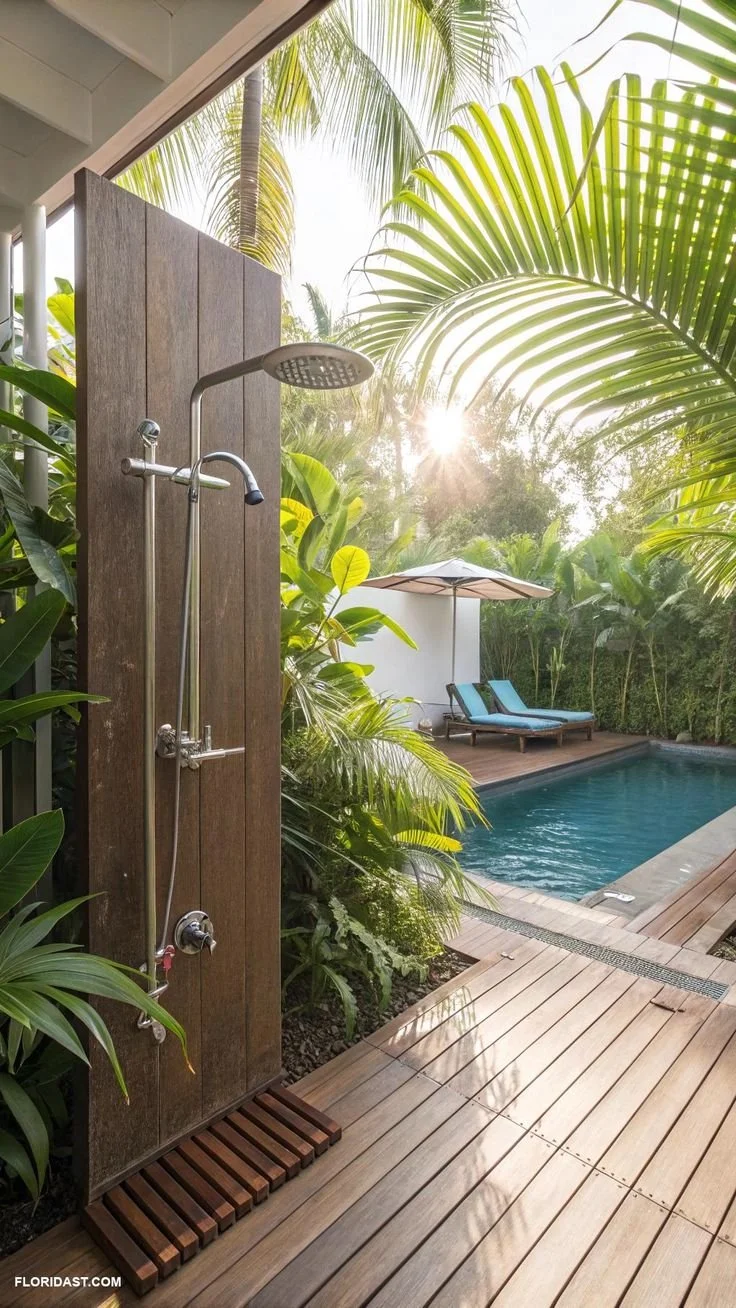
How to Plan an Outdoor Shower for a Los Angeles Home Pool
An outdoor shower can either solve daily pool issues or become something no one uses. In Los Angeles, the difference comes down to placement, drainage, and privacy. If swimmers have to walk across the patio or through the house before rinsing off, the setup fails. If water collects underfoot or splashes back toward the pool deck, it creates maintenance problems. The goal is to design a shower that sits on the natural path from pool to house, drains properly, and feels like part of the architecture rather than a fixture added later.
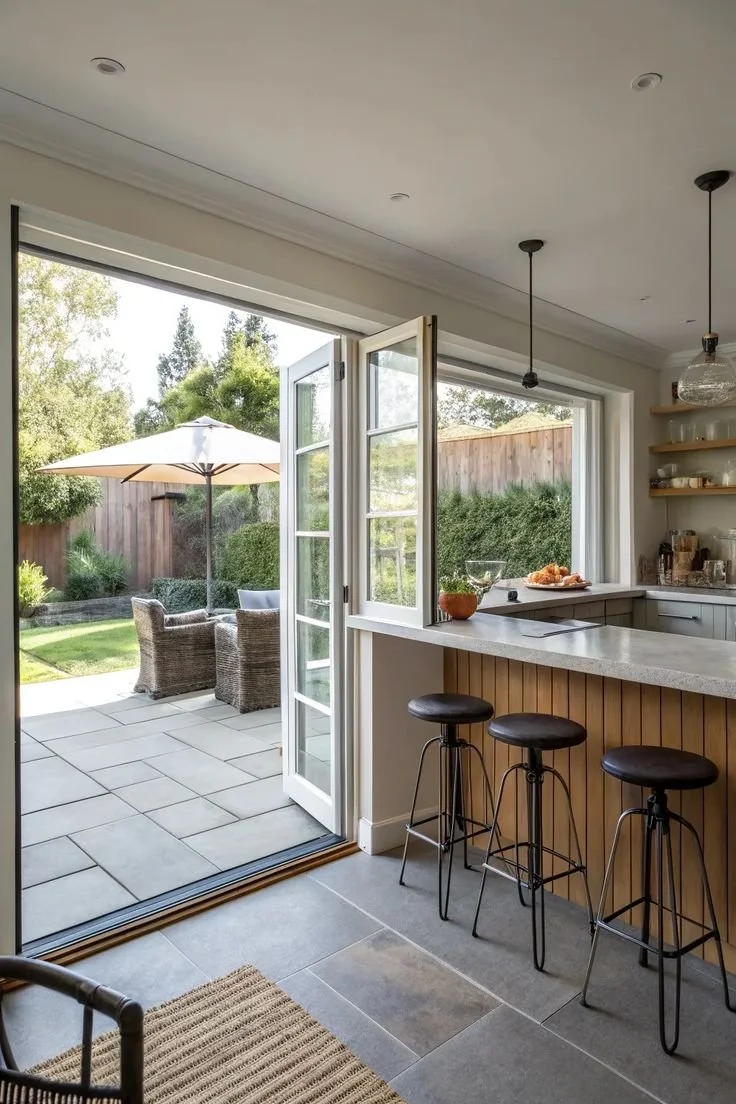
Garden Seating Areas People Actually Use in Los Angeles
Many garden seating areas in Los Angeles go unused for predictable reasons. They sit too far from the house, face harsh afternoon sun, or feel exposed to neighbors. Fixing this starts with placement, shade, and access, not furniture selection. The setups people use daily are easy to reach, shaded during peak heat, and positioned along natural paths.
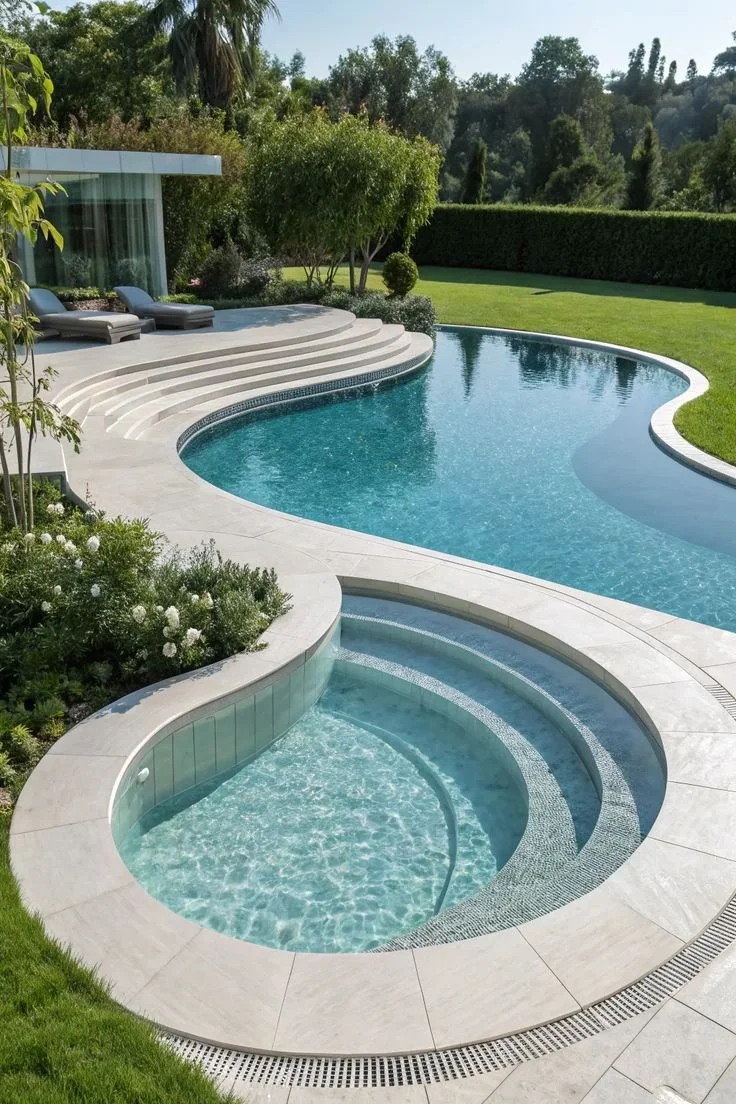
The Best Pool Designs for Los Angeles Homes
Choosing a pool shape in Los Angeles comes down to fit. The wrong shape can fight the house, waste space, or look oversized on a tight lot. The right one aligns with the architecture, works with the lot dimensions, and supports how you actually plan to use the pool. Modern homes, hillside properties, and Spanish-style houses each benefit from different layouts. Getting this decision right early avoids expensive redesigns later.
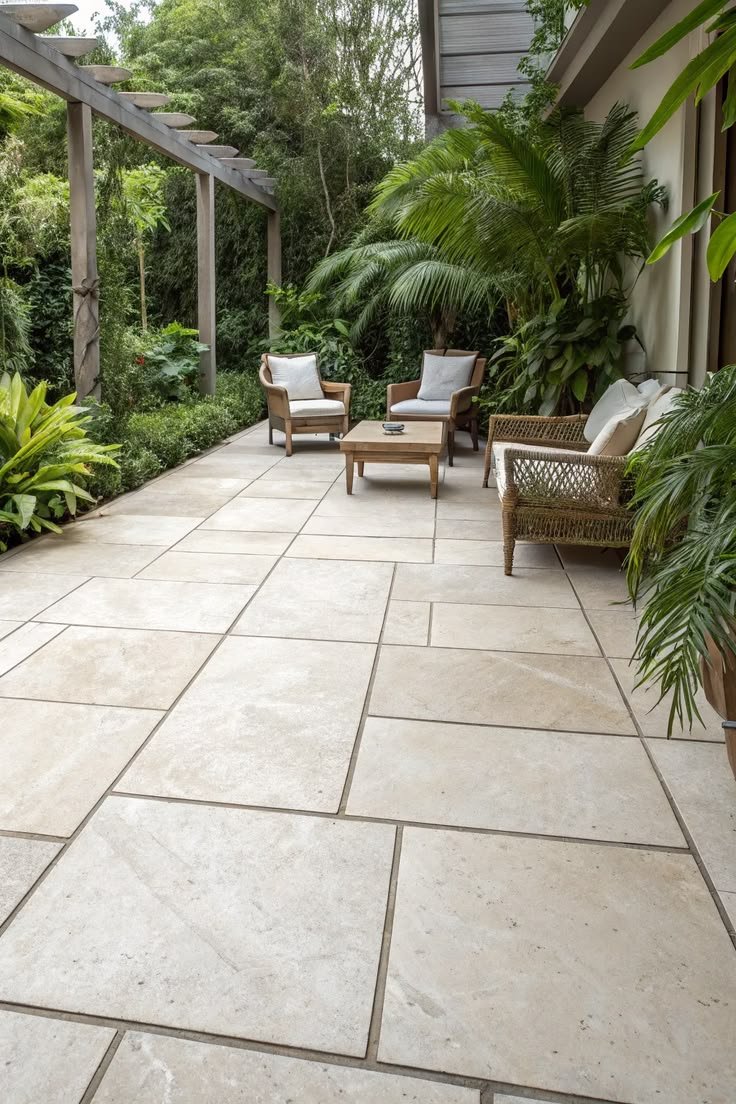
Natural Stone Looks for Los Angeles Outdoor Spaces
Los Angeles outdoor spaces demand materials that can handle constant sun, heat exposure, and heavy daily use. Natural stone looks are popular because they feel permanent, but not every stone performs the same in pool zones, patios, or high-traffic walkways. The choice depends on temperature retention, slip resistance, sealing requirements, and how the material connects to the architecture of the home.
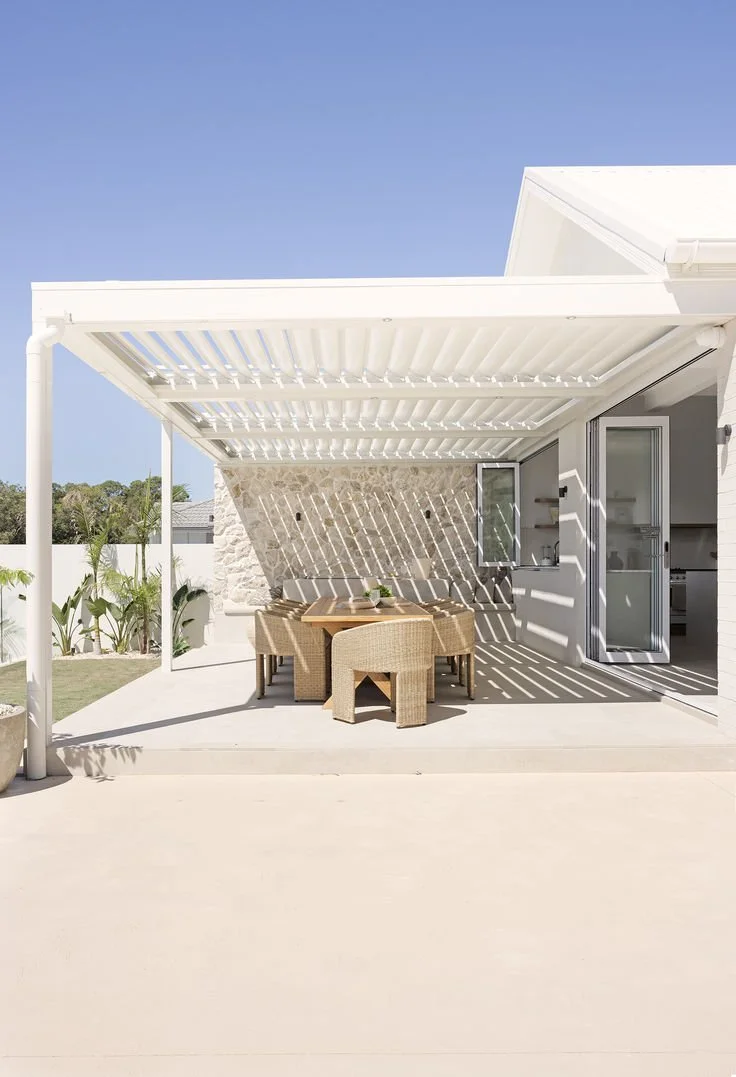
Pergola Styles That Work Well in Los Angeles Backyards
Los Angeles pergolas fail or succeed based on one thing: how well they handle sun and how often they actually get used. A pergola that looks good but overheats by 2pm or offers weak shade over dining is not doing its job. The right choice depends on exact use, not style preference alone.
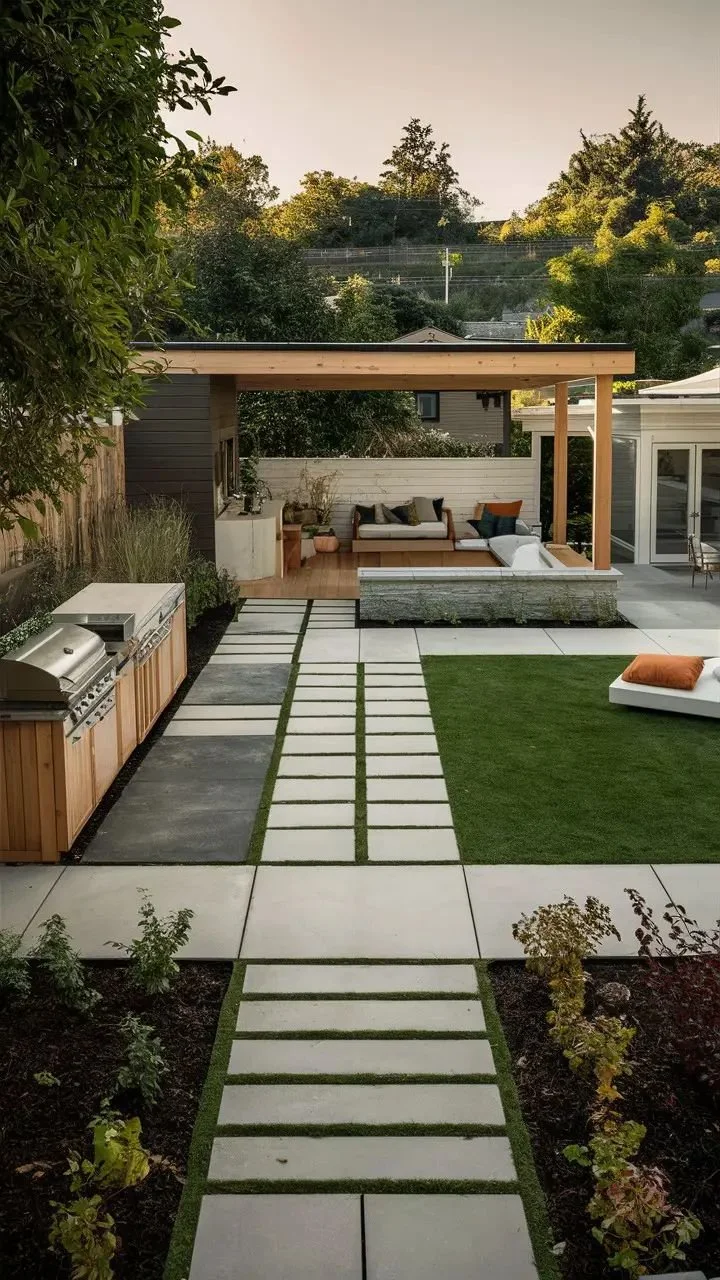
Family-Friendly Backyard Layouts for Los Angeles Homes
Los Angeles families use their backyards daily, so layout decisions need to support safety, visibility, and constant use. Kids need space to move. Adults want seating, dining, and a pool area that still looks considered. The key is not adding more features. It is placing them where they actually work.
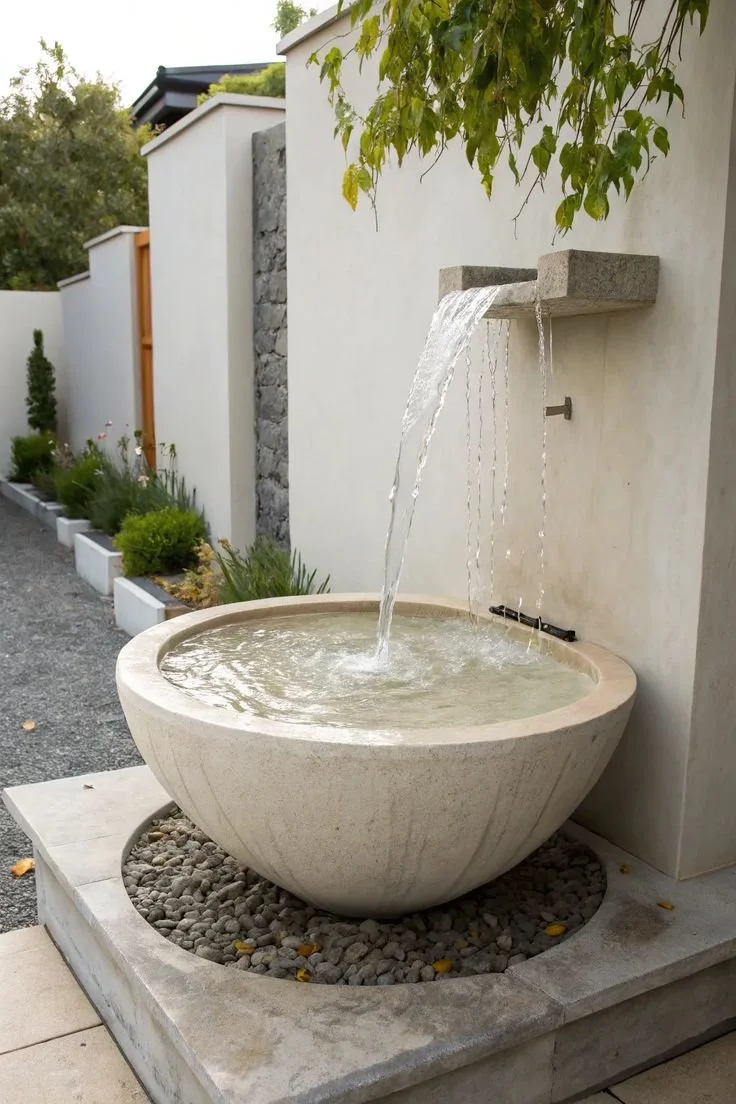
Water Feature Ideas for Los Angeles Gardens
Los Angeles gardens face constant sun, high evaporation, and limited water efficiency expectations. A water feature only works well if it is designed for these conditions. The wrong setup becomes high maintenance and visually disconnected. The right one supports outdoor living, reduces noise, and connects the garden to the architecture of the home in a practical way.
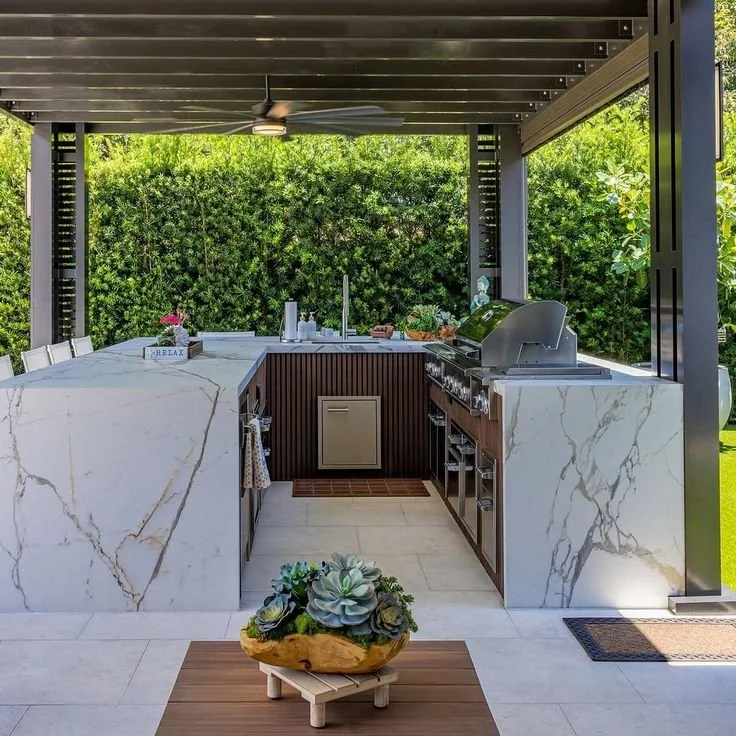
Outdoor Kitchen Design Ideas for Los Angeles Homes
Outdoor kitchens in Los Angeles are used year-round, so design decisions have to go beyond appearance. Heat, smoke, prep space, and movement between indoor and outdoor areas all affect how well the space works. A good setup supports real cooking, not just occasional grilling, and connects directly to how the home is already used for entertaining.
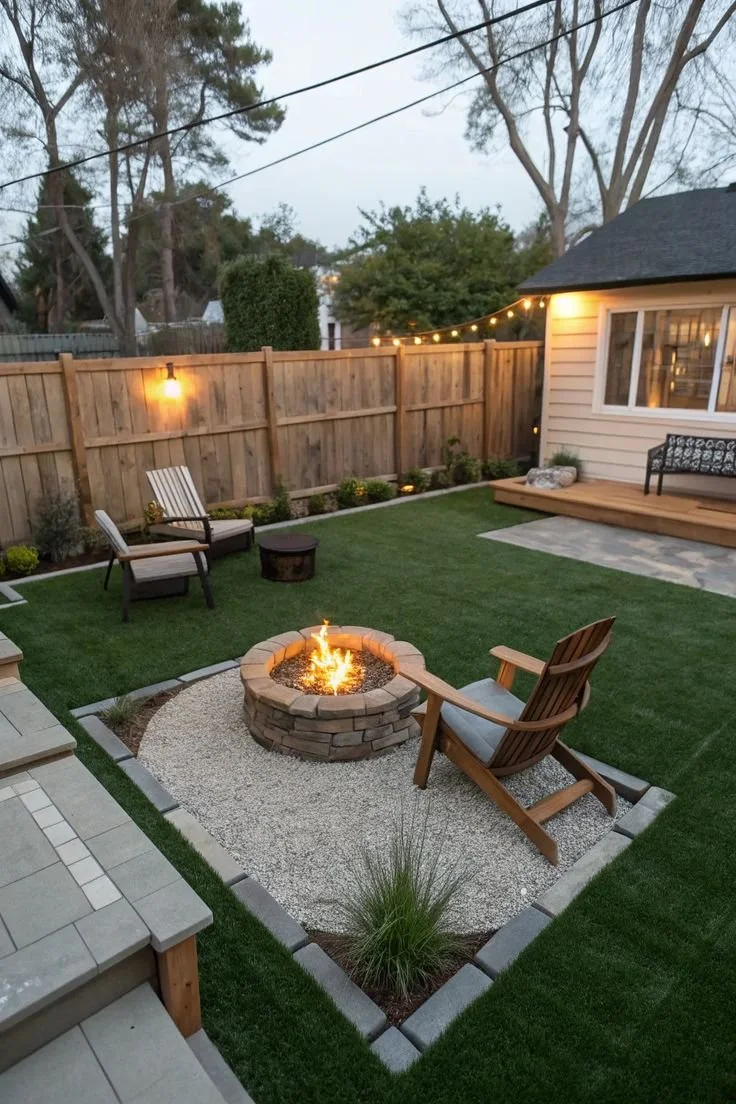
Turf vs Gravel: What Works Better in Los Angeles Yards?
Los Angeles yards have to handle heat, water limits, pets, and constant use. Choosing between turf and gravel is not just about appearance. It affects how hot the surface gets, how often you clean it, and whether the space actually gets used.
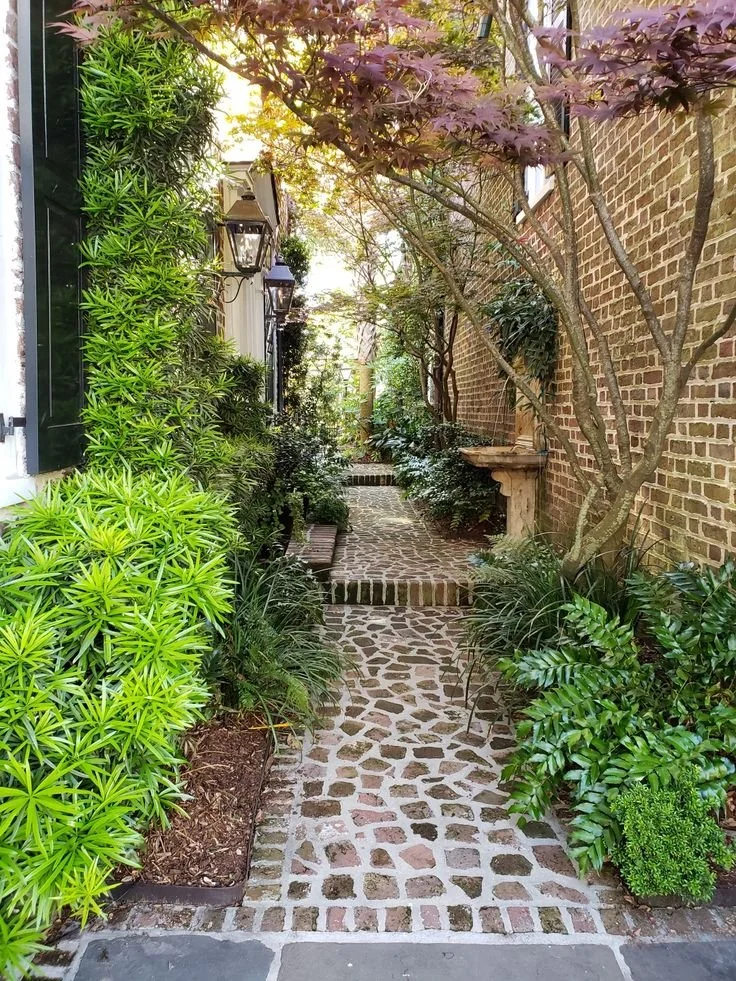
The Best Backyard Layouts for Corner Lots in Los Angeles
Corner lots in Los Angeles look like a win on paper, but they create very specific design problems in practice. Two street edges mean more visibility, more noise, and fewer natural privacy barriers. Side yards become highly exposed zones. Even large backyards can feel fragmented if the layout does not account for sightlines from passing cars and neighboring intersections. The goal is to turn that exposure into usable structure, not fight it with random fencing or scattered zones.