
Designer Elements for Coastal Living
If you’ve been saving coastal interiors for months and still can’t translate it into decisions, this is the missing piece. Coastal living isn’t about decor. It’s about a handful of choices that control the whole result: stone, wood tone, paint undertones, window treatments, metal finishes, lighting, rugs, and how the outside connects to the inside. Let’s walk through each one, with designer swaps that keep it polished.
Designer Elements That Make Coastal Interiors Look Expensive
Start with your base materials: one stone, one wood tone. When those are right, everything else gets easier. In California contemporary interior design, matte finishes tend to win. Honed limestone, travertine, or warm quartzite gives depth without shine. Then choose a wood that won’t fight the light, like white oak, ash, or walnut in a low-sheen finish. Repeat that same wood tone in one more place and stop there. Usually, twice is enough.
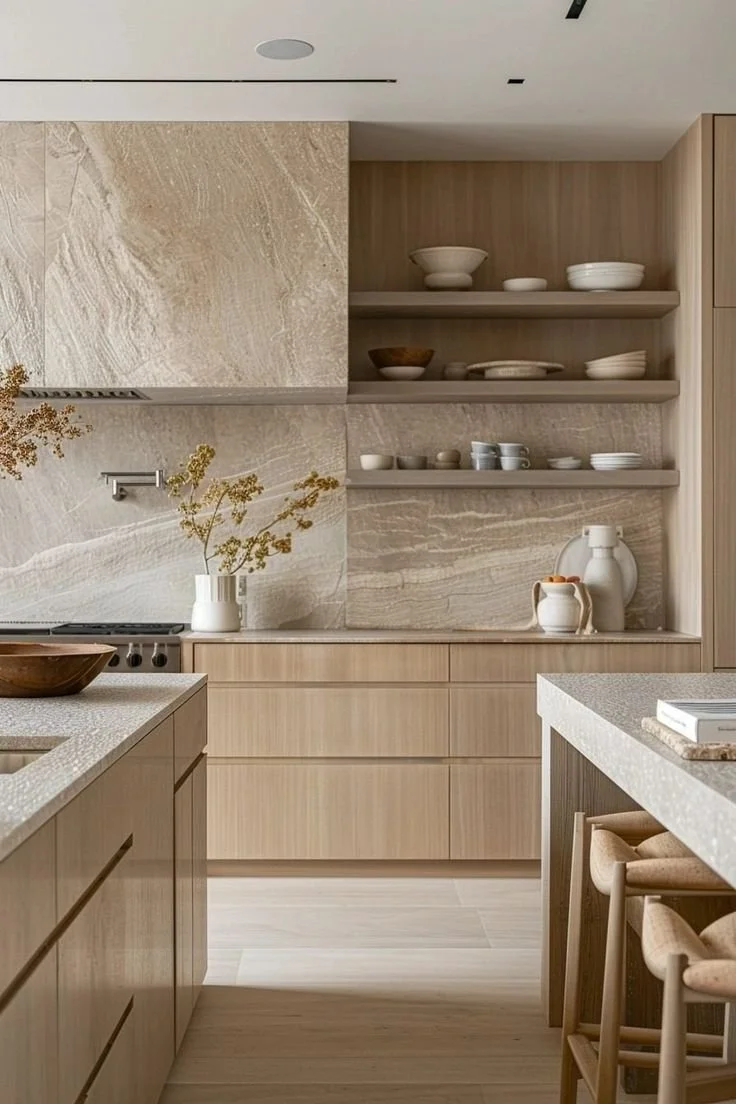
Photo Via: Learn California
Next, treat windows like part of the room’s structure. Coastal spaces often have beautiful glass, but the wrong treatment can make the whole room feel unfinished. A simple setup that works: sheers for texture, plus woven shades or lined drapery for privacy and control. This is the kind of decision a Santa Monica luxury home designer pushes early because it affects comfort and proportion right away.
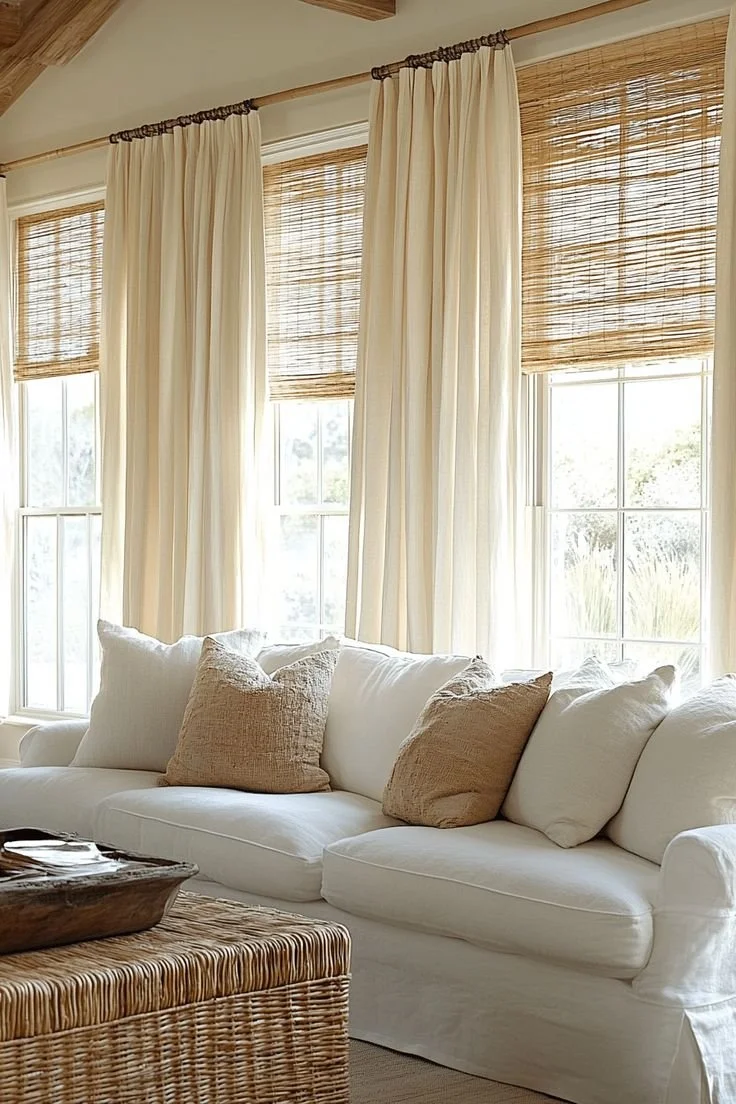
Photo Via: Courtney’s World
Now metals. Skip mirror-shiny finishes near ocean light. Satin nickel, bronze, and aged brass look richer and age better. Keep it consistent across faucets, cabinet hardware, and bath trim so it all relates. In Pacific Palisades luxury interiors, that consistency is one of the simplest designer tells.
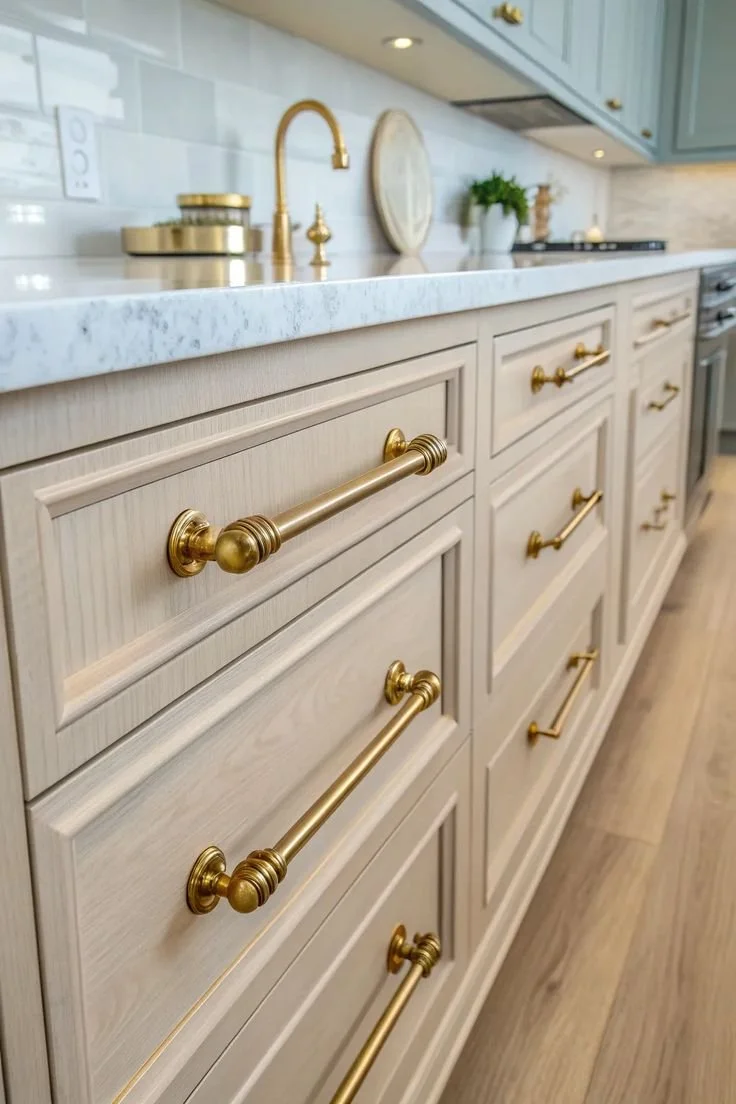
Photo Via: BambRise
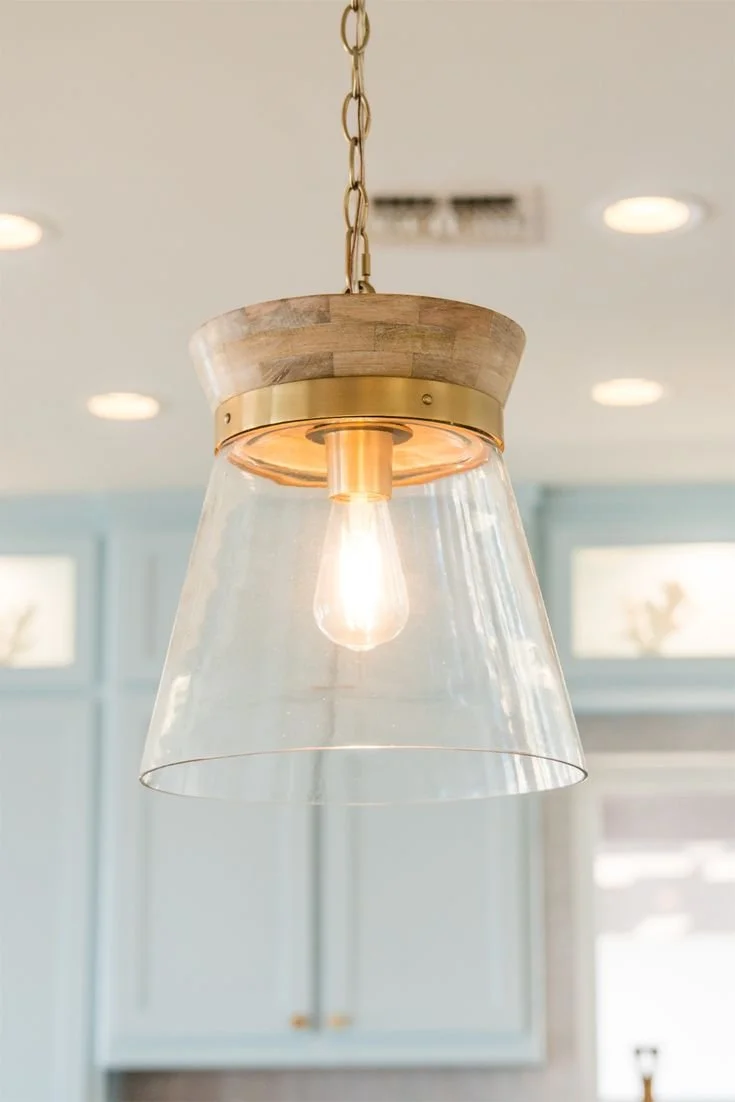
Lighting is where coastal homes either feel intentional or oddly flat. Use one sculptural fixture to set the tone, then layer the rest: recessed for general light, plus lamps where you actually sit. Choose warm bulbs and keep the color temperature consistent across the house.
Finally, connect inside to outside so it feels like one harmonious project. Match exterior lighting to your interior metal, repeat a key material outdoors, and use an outdoor rug that matches the interior palette. That’s indoor-outdoor luxury living design done well, and it’s the detail people notice in homes where a Malibu beachfront interior designer was involved.