
Best Design Elements of an Industrial Aesthetic
Industrial design gets misread a lot. People assume it’s exposed brick and factory lights and leave it at that. In reality, the best versions feel intentional. Especially within California contemporary interior design, industrial elements are balanced carefully so the space doesn’t feel cold or unfinished.
Here’s what actually matters.
Exposed Structure That Feels Intentional
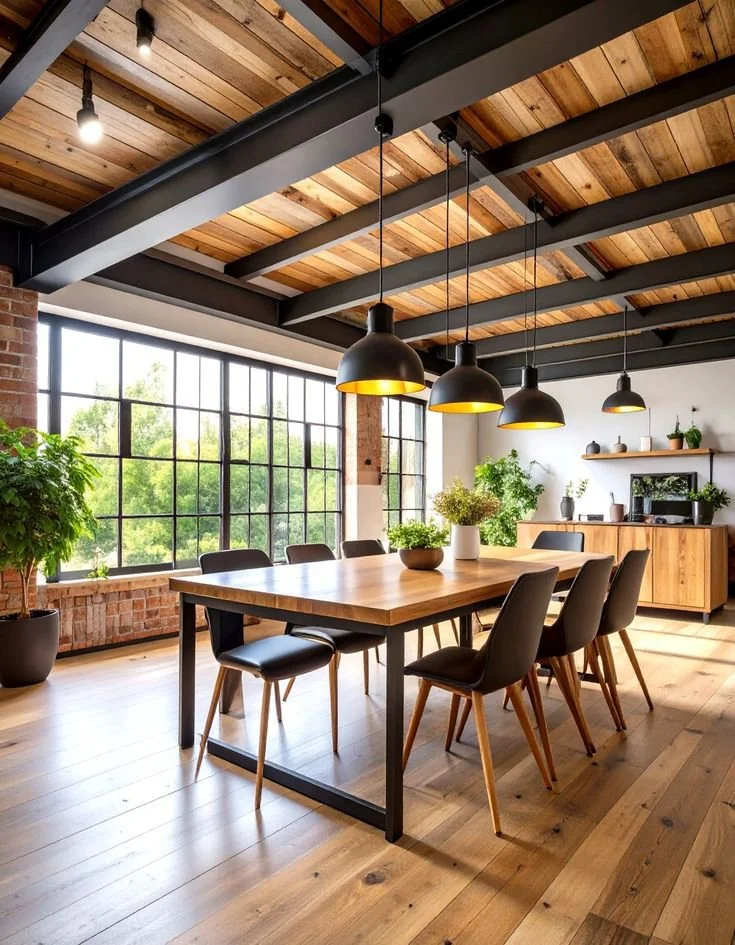
Photo Via: Too Much Time
Exposed beams, concrete ceilings, visible ductwork — these are the backbone of the look. But in high-end projects, nothing is accidental. The structure is either refined or framed intentionally.
In interior design for modern architecture Los Angeles, exposed steel often gets powder-coated in matte black or softened with warm wood ceilings. Raw concrete may be lightly honed so it reflects light instead of absorbing it. It’s not about making it pretty. It’s about making it deliberate.
When structure is left exposed without thought, it reads unfinished. When it’s proportioned correctly and paired with clean detailing, it feels architectural.
Materials That Age Well
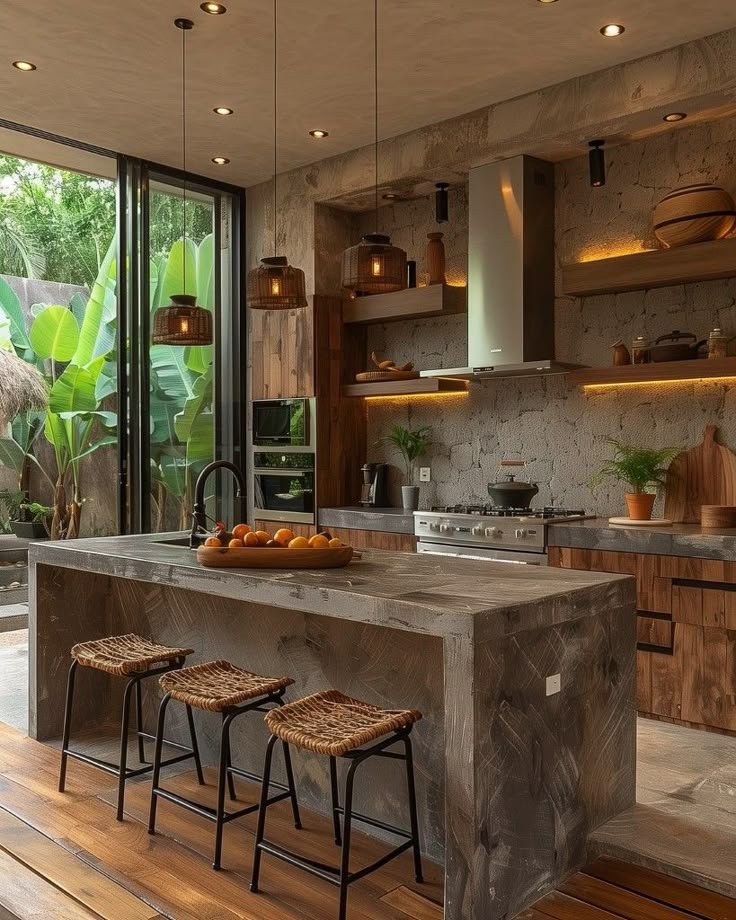
Industrial spaces rely heavily on steel, concrete, and stone. In Los Angeles, that choice needs to make sense long term. Heat, sun exposure, and indoor-outdoor living all factor in.
Designers focused on the best materials for luxury homes in California climate often balance cooler materials with warmth. Wide-plank oak floors offset concrete. Natural stone adds depth without looking decorative. Steel window frames are slim but thermally appropriate.
The goal isn’t to lean fully industrial. It’s to combine durable materials with comfort so the house still feels livable.
Open Layouts That Actually Function
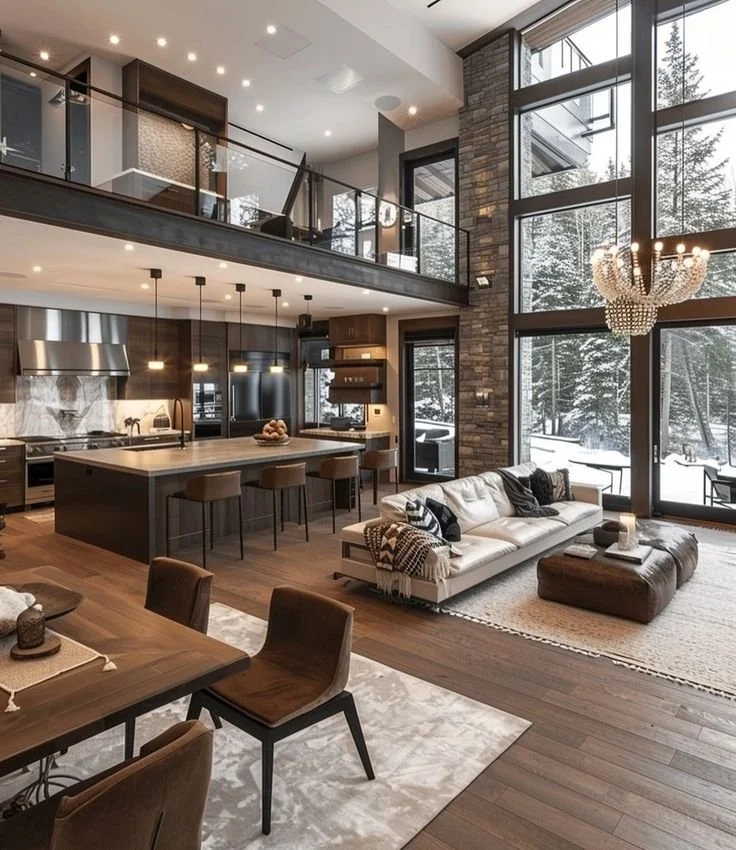
Industrial design works best in open plans, but openness alone isn’t enough. Zones still need definition.
Within indoor-outdoor luxury living design, large steel-framed doors and continuous flooring help connect the interior to patios or courtyards. But furniture placement does the real work. A low sectional can define a living area. A long dining table anchors the center. Lighting helps break up volume.
It’s common in Los Angeles luxury home design trends to see open industrial shells paired with warmer furniture and layered textures. Without that contrast, the space can feel hollow.
Lighting That Balances Hard Edges
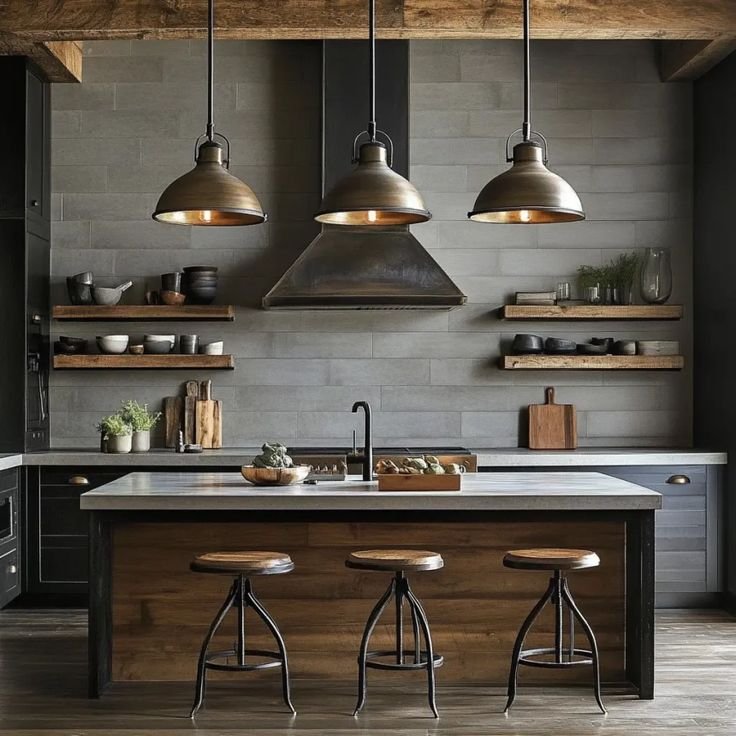
Lighting carries more weight in an industrial interior than most people expect. If everything is metal and concrete, cool lighting makes it feel stark fast.
A high-end interior designer Los Angeles will usually layer warmer LED temperatures, indirect lighting, and dimmers to soften the architecture. Industrial pendants can stay, but they’re balanced with concealed strip lighting or plaster-integrated fixtures.
This is where the difference between a warehouse look and a refined home shows up. It’s subtle, but noticeable.
Industrial done well doesn’t feel trendy. It feels grounded, practical, and slightly restrained. The structure is honest. The materials make sense. And the comfort level is higher than people expect.