
Tips for Choosing the Right Sofa Material
Sofas are one of the most used pieces of furniture in a home, so the material needs to handle everyday wear. Designers usually think about durability, comfort, and maintenance before focusing on color or texture.
A material that looks good in a showroom might behave very differently in a busy household. Understanding a few basic differences can make the decision easier.
Performance Fabrics for Everyday Living
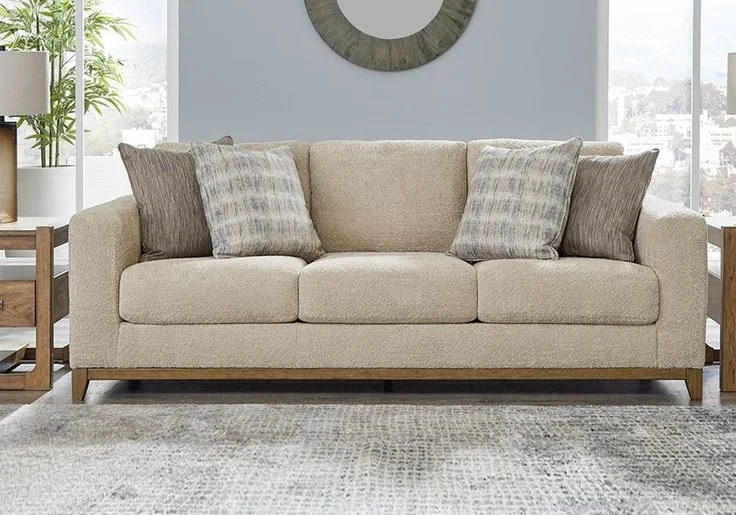
Performance fabrics have become increasingly common in modern homes. These materials are designed to resist stains, moisture, and general wear, which makes them practical for households with kids or frequent guests.
Designers working on luxury living room design ideas often recommend performance upholstery when clients want something durable without sacrificing comfort.
Natural Linen for a Relaxed Look
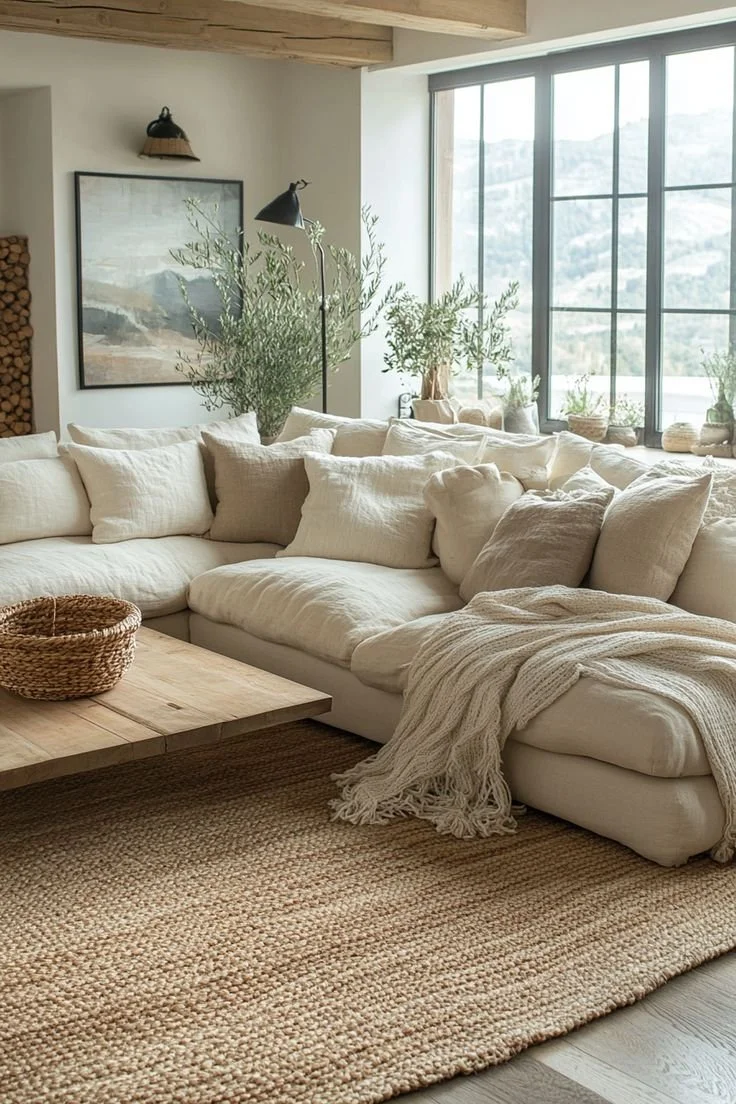
Linen sofas bring a soft, relaxed texture into a living room. Large sectionals in natural linen blends tend to feel comfortable and informal, especially in spaces with plenty of natural light.
In homes designed with warm modern interiors California, linen upholstery often pairs with wood furniture, woven rugs, and neutral colors. The material adds texture without making the room feel heavy or overly structured.
Leather for Long-Term Durability
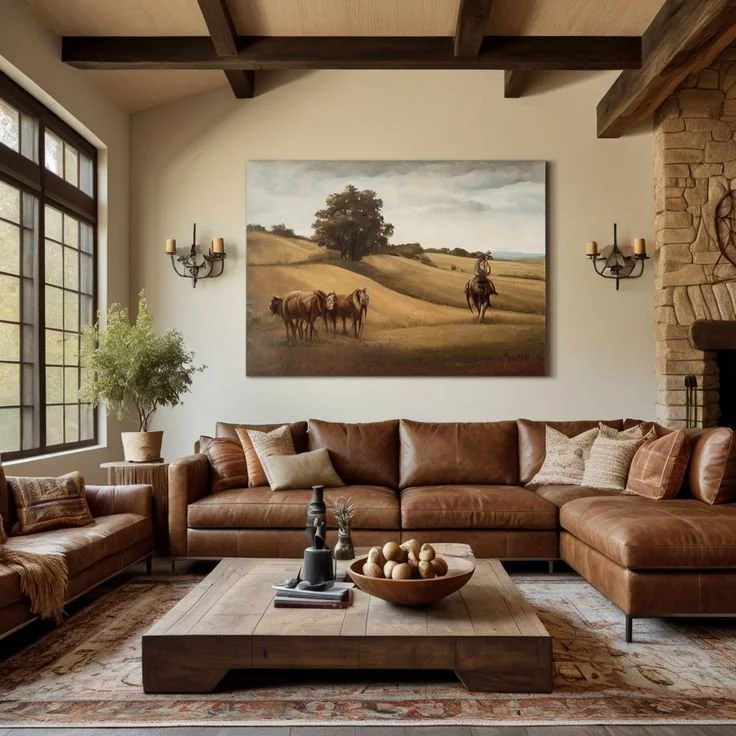
Leather sofas are often chosen because they handle everyday use well and develop character over time. A large leather sectional like this can anchor a living room while still feeling comfortable and practical.
Designers often include leather seating in modern luxury interior design Los Angeles projects where durability matters as much as appearance. Natural leather tends to soften with age, which gives the sofa a more relaxed look over time.
Textured Fabrics for Visual Depth
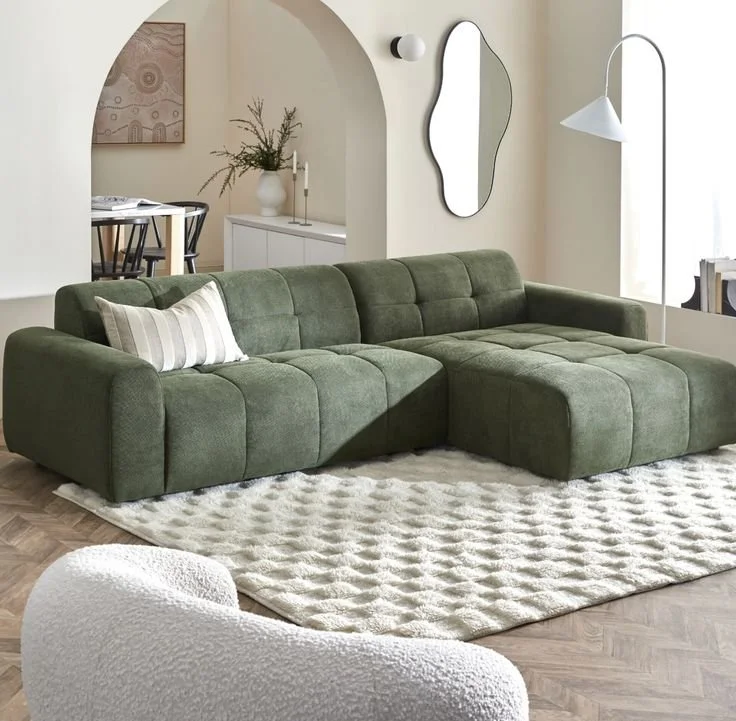
Textured upholstery can make a sofa feel more interesting without relying on bold colors or patterns. Materials with visible weave or tufting, like this sofa, add depth and help the piece stand out in a simple room.
A high-end interior designer Los Angeles might use textured fabrics to balance smoother materials such as wood, glass, or stone elsewhere in the space. The contrast keeps the room from feeling too flat.