
Design Tips From Famous Movie Houses
Film homes aren’t just backdrops. They’re built to communicate character through layout, finishes, and scale. When you strip out the plot, what’s left are surprisingly practical design lessons.
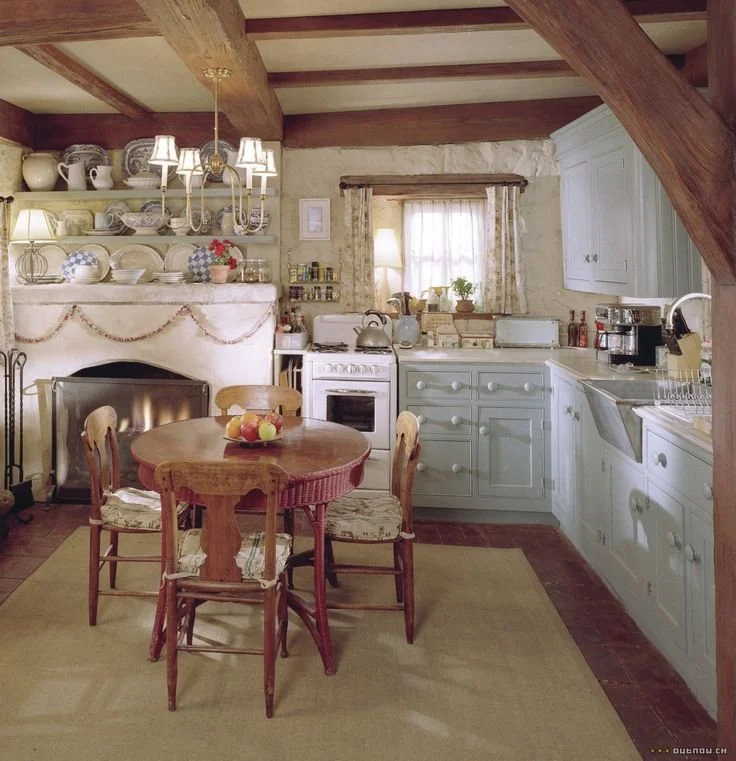
Photo Via: This Is Glamorous
Take the cottage in The Holiday. Low ceilings, layered textiles, painted cabinetry, nothing oversized. It works because everything feels proportional. That balance shows up often in warm modern interior design LA projects, especially when designers soften cleaner architecture with texture and color instead of adding more furniture.
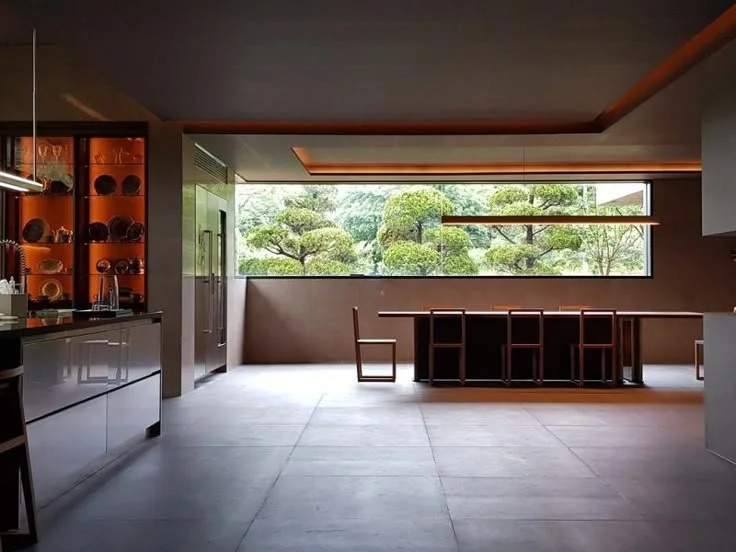
Photo Via: Prestige
The house in Parasite is the opposite. Sharp lines, poured concrete, wide expanses of glass. What makes it compelling isn’t the minimalism, but the flow. Spaces open directly into one another, and large sliding panels erase boundaries between the living area and the garden. It’s a clear example of indoor-outdoor luxury living design done intentionally, not decoratively. The materials are consistent. The transitions are smooth. Nothing interrupts the sightlines.
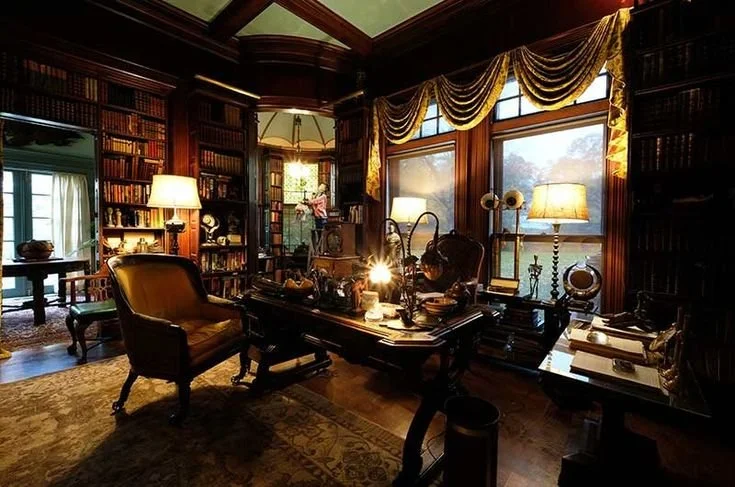
Photo Via: Set Decorators Society of America
In Knives Out, the Thrombey mansion leans into layered tradition. Patterned wallpaper, carved wood, and a built-in shelving that wraps the entire wall. It’s a reminder that custom millwork design ideas LA don’t have to feel modern to feel considered. Full-height bookcases, detailed trim, and proper paneling give weight to a room without relying on scale alone.
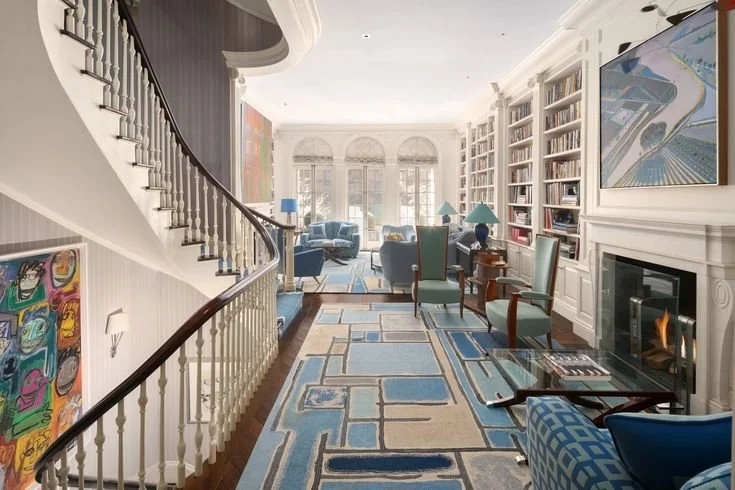
Photo Via: Mansion Global
Even Miranda Priestly’s apartment in The Devil Wears Prada offers something useful. Clean furniture layouts, edited accessories, controlled color palettes. Anyone collecting luxury living room design ideas can learn from that restraint. It’s less about filling space and more about choosing fewer, stronger pieces.
When clients ask a luxury interior designer Los Angeles what elevates a home, the answer usually comes back to the basics: material quality, proportion, continuity. Film houses push these details for the camera, but the principles still apply. Strip away the lighting crew and the drama, and what’s left is design that simply works in real life.